Beauty & Skincare · roundup
Best Moisturizer for Dry Skin: Deep Hydration for Soft, Smooth Skin
We researched and compared ten of the most talked-about moisturizers for dry skin, from massive dermatologist-trusted jars to premium plumping creams, to find real barrier repair at every budget and sensitivity level.


This article is reader-supported. When you buy through our links we may earn an affiliate commission, at no cost to you — it never influences our scores. As an Amazon Associate we earn from qualifying purchases.
Dry skin doesn't need just any moisturizer, it needs a formula that actually penetrates the surface and repairs the barrier underneath, not one that sits on top and evaporates by lunchtime. We researched and tested ten of the most talked-about moisturizers for dry skin on the market, from massive dermatologist-trusted jars to premium plumping creams, to find the best moisturizer for dry skin at every budget, texture preference, and sensitivity level, not just what the packaging promises.
This roundup pulls from thousands of verified buyer reviews across every product below, cross-checked against each formula's actual active ingredients and texture, so what follows reflects genuine weeks of real-world use, not a single glowing first impression. Whether you're asking what is the best moisturizer for dry skin specifically, hunting for the best face moisturizer for sensitive skin, or trying to figure out which moisturizer is best for dry, aging skin, this guide is built to answer it directly, with all ten picks ranked from best overall down.
This isn't a list of ten near-identical white jars. It spans a $7 tube backed by the National Eczema Association, a $75 Japanese superfood cream that dialysis patients specifically credit with real relief, and a massive 42,000-review dermatologist body cream gentle enough that reviewers use it on their faces. Each one earned its place, and its ranking, based on what real buyers actually experienced applying it night after night, not what the label promises.
How We Picked
Not every "moisturizing" cream actually moisturizes dry skin the way it needs. A lot of lightweight lotions are built for normal or combination skin and simply can't deliver the barrier repair genuinely dry, flaky, or tight skin requires, while some heavier creams overcorrect and feel greasy or clog pores. To separate the best moisturizer for dry skin from a merely pleasant-smelling lotion, we weighed five criteria across every product in this roundup:
- Hydration — does it deliver real, lasting moisture, or just a temporary surface feel?
- Texture — does the formula absorb well for its richness level, or does it sit on top feeling greasy or take forever to sink in?
- Barrier Support — does the ingredient list include real barrier-repairing actives like ceramides, hyaluronic acid, or shea butter?
- Sensitivity-Friendliness — how consistently do reviewers report zero breakouts or irritation, even with daily use?
- Value — what you get relative to price, from budget drugstore jars to premium prestige creams
We also weighted honesty in marketing, since "intensive," "deep hydration," and "24-hour moisture" are used loosely across this entire category. If you're wondering what is the best moisturizer for dry skin without overthinking format, the short answer is that richer creams with ceramides or shea butter tend to win for genuinely severe dryness, while lighter, hyaluronic-acid-based lotions and milks work better for dry-but-not-flaking skin that just wants daily hydration without heaviness.
| Rank | Product | Texture | Price | Score |
|---|---|---|---|---|
| 1 | CeraVe Intensive Moisturizing Cream | Rich Cream | $16–$20 | 8.8/10 |
| 2 | La Roche-Posay Lipikar AP+MAX | Rich Cream | $20–$24 | 8.7/10 |
| 3 | ANUA Rice 70 Moisturizing Milk | Lightweight Lotion | $18–$22 | 8.6/10 |
| 4 | The Ordinary Natural Moisturizing Factors + HA | Thick Cream | $7–$10 | 8.6/10 |
| 5 | Cetaphil Moisturizing Cream | Cream | $14–$18 | 8.3/10 |
| 6 | VICHY Mineral 89 Daily Face Moisturizer | Lightweight Cream | $28–$32 | 8.3/10 |
| 7 | medicube Triple Collagen Cream | Rich Cream | $24–$28 | 8.1/10 |
| 8 | TULA 24-7 Hydrating Day & Night Cream | Cream | $48–$52 | 7.9/10 |
| 9 | TATCHA The Dewy Skin Cream | Rich Cream | $70–$75 | 7.9/10 |
| 10 | Eight Saints Up the Anti Night Cream | Cream | $34–$38 | 7.6/10 |
CeraVe Intensive Moisturizing Cream with Shea Butter
CeraVe's Intensive Moisturizing Cream tops this roundup because it does the hardest thing a dry-skin moisturizer can do: work reliably on both face and body without breaking anyone out. Built with ceramides, hydro-urea, and shea butter, it's fragrance-free and clean enough that one reviewer specifically checks its ingredients against the EWG database before using it on her face at night, layered over her retinoid treatment, to calm sensitivity and redness.
Another reviewer praised how it helps her tan last longer and specifically noted it doesn't feel greasy or thick despite the rich formula, best applied right after a shower. She did note it feels a little heavy on first application and suggests starting with less than you think you need. At 19 ounces, this is one of the largest jars in this roundup, genuinely built for winter-level dryness rather than light daily touch-ups.
The 4.8-star average across thousands of reviews, combined with how many buyers specifically trust it on facial skin despite it being marketed as a body cream, is what earns it the top spot in this entire roundup. It's also worth noting how many reviewers specifically reach for this one during the coldest months of the year when their usual lighter lotion stops being enough, a pattern that shows up repeatedly enough to be a genuine seasonal-use case rather than a coincidence.
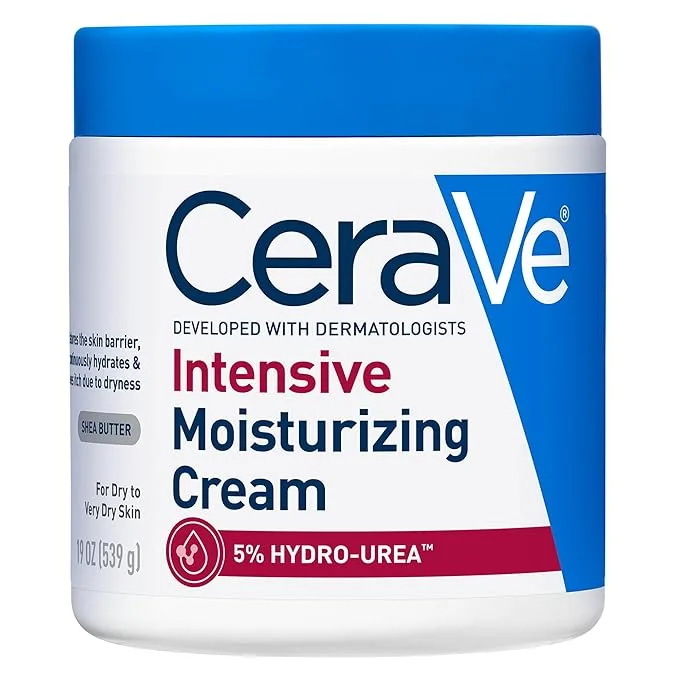
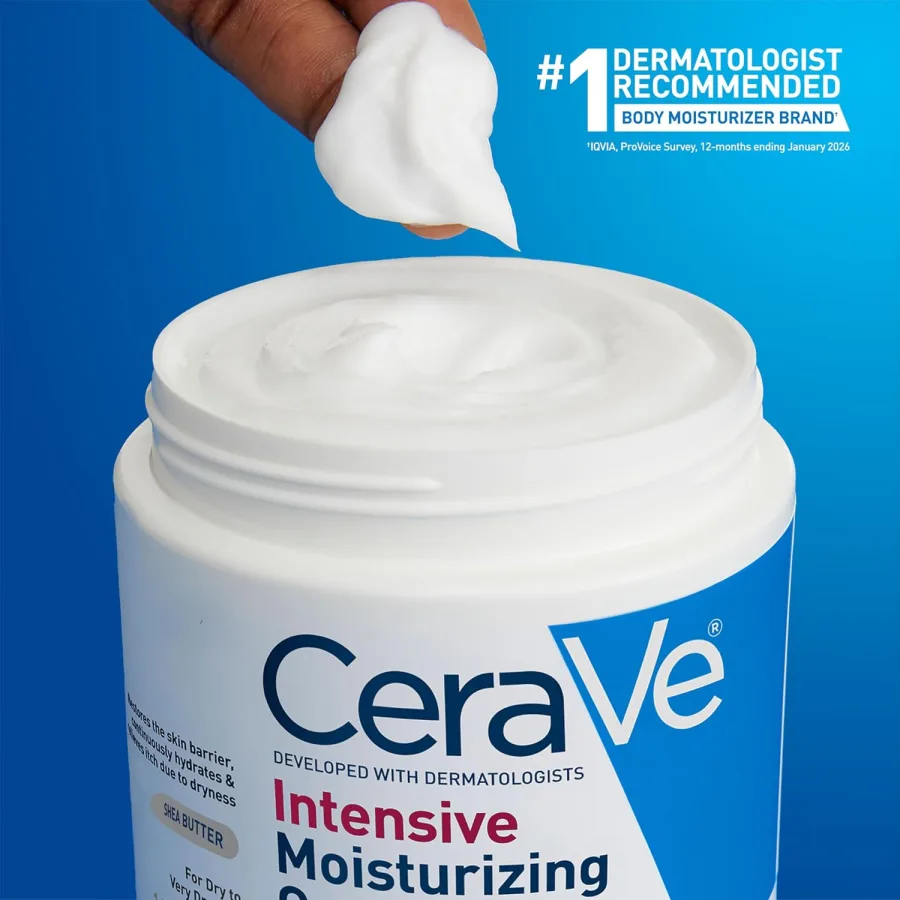
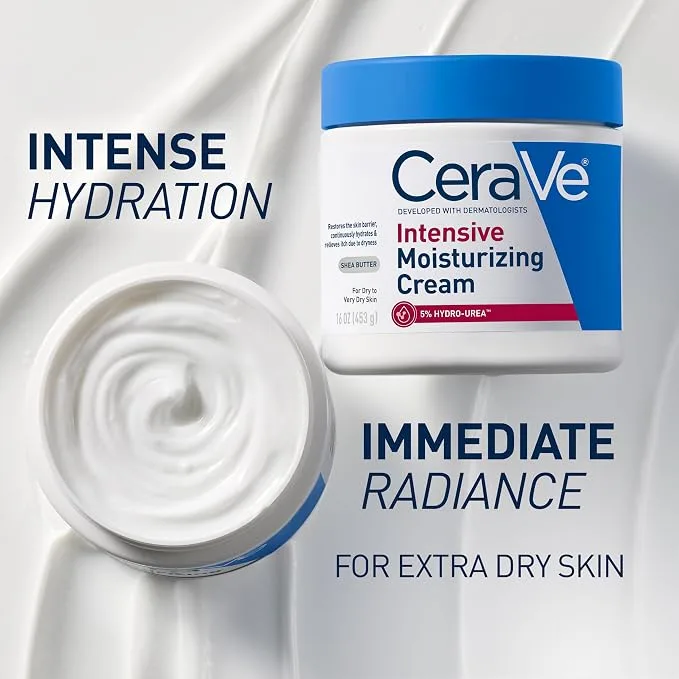
The most dermatologist-trusted pick in this roundup: a huge jar of fragrance-free, ceramide-rich cream gentle enough for the face and effective enough for severely dry body skin.
Key Specifications
Why We Like It
- Fragrance-free with an ingredient list clean enough that reviewers specifically check it against the EWG database
- One reviewer uses it on her face at night over retinoid treatment specifically to calm sensitivity and redness
- 19 oz jar is genuinely large, a real winter-dryness workhorse rather than a small tube
- 4.8-star average, one of the highest ratings in this entire roundup
Worth Noting
- Feels notably thick on first application; reviewers recommend starting with a small amount
- Jar packaging rather than a pump, less convenient for one-handed application
La Roche-Posay Lipikar AP+MAX Triple Repair Moisturizing Body Cream
La Roche-Posay's Lipikar AP+MAX has the largest review base of any product in this roundup, nearly 42,000 ratings at a 4.6-star average, and the specifics behind that number are genuinely convincing. One reviewer summarized it precisely: deeply hydrating, fixes dry skin fast, fragrance-free, but a very thick consistency that takes real time to rub in, the honest trade-off for intensive barrier repair rather than a quick, light lotion.
Another reviewer took a chance applying it to her face at night despite worrying about breakouts, and reported the opposite result: two weeks in, no breakouts, just smoother, plumper, glowier skin even without makeup. This formula is safe for babies as young as two weeks old, a strong signal for how gentle the ingredient list is despite how rich the texture feels going on.
If your dryness is severe rather than mild, and you don't mind spending an extra few seconds massaging a cream in fully, this is one of the most proven, dermatologist-trusted picks on the market. International reviewers reinforce the same pattern across different skin types and climates: a German reviewer with very sensitive facial skin reported zero pimples or redness, and a Spanish reviewer with sensitive skin called it genuinely hydrating with no complaints.

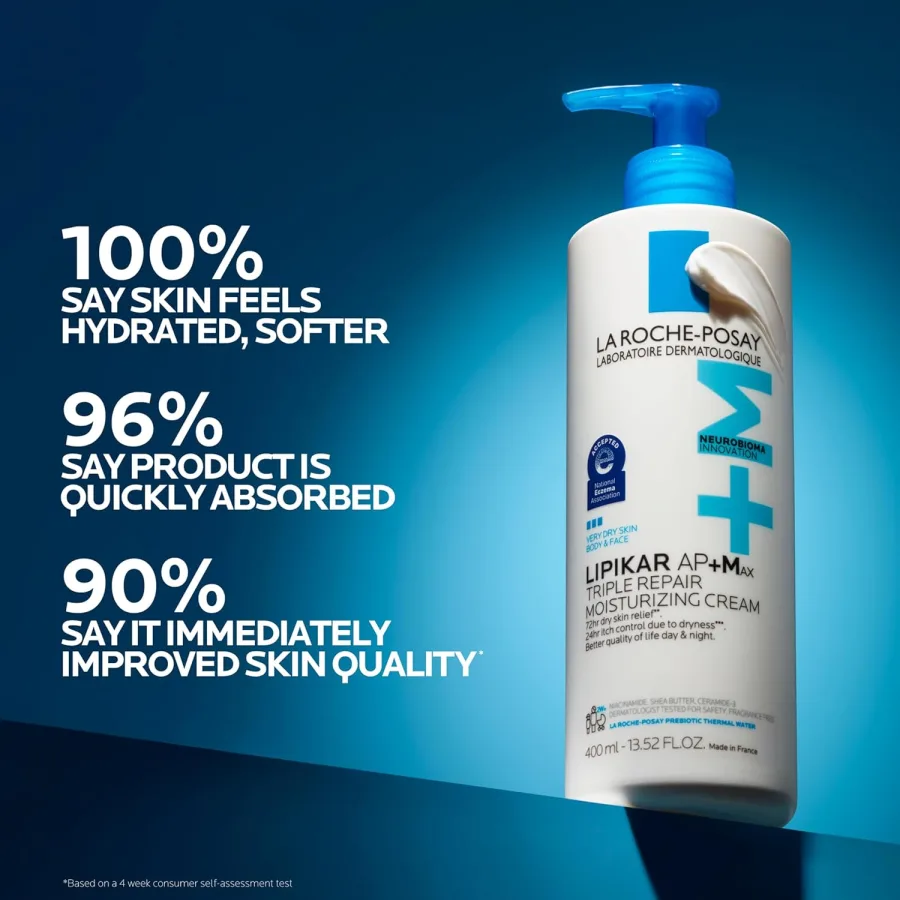

The most proven pick in this roundup, with nearly 42,000 reviews, and a genuinely intensive repair cream for severe dryness that's still gentle enough for a baby's skin.
Key Specifications
Why We Like It
- Nearly 42,000 ratings at a 4.6-star average, the largest review base of any product in this roundup
- Safe for use on babies as young as 2 weeks old, and reviewers report zero breakouts using it on adult facial skin too
- Ceramide and shea butter formula fixes severe dryness fast, according to reviewers
- Fragrance-free and allergy tested
Worth Noting
- Very thick, heavy consistency that takes real time and effort to rub in fully
- Not the pick for anyone who prefers a light, fast-absorbing lotion
ANUA Rice 70 Intensive Moisturizing Milk
ANUA's Rice 70 Intensive Moisturizing Milk is the lightweight pick in this roundup, and reviewers consistently describe it disappearing into skin rather than sitting on top. One reviewer said it doesn't feel heavy or leave her looking greasy even hours later, calling it pretty moisturizing for how lightweight it feels, and she plans to repurchase.
Another reviewer went further, saying the rice extract and ceramide combination lives up to the hype: it's not a thick cream, it's a light milk that sinks right in, leaving skin dewy rather than oily, with a stronger-feeling skin barrier after regular morning-and-night use. It layers cleanly under sunscreen and other serums without pilling, a genuinely useful trait if you're building a multi-step routine.
If you want the hydration benefits of this roundup's richer creams without the heaviness, this K-beauty lotion is the strongest lightweight alternative here. Reviewers outside the US, including buyers in Mexico and South Africa, confirm the formula performs consistently across different climates and water conditions, not just for the mostly-US review base other products in this roundup lean on more heavily.
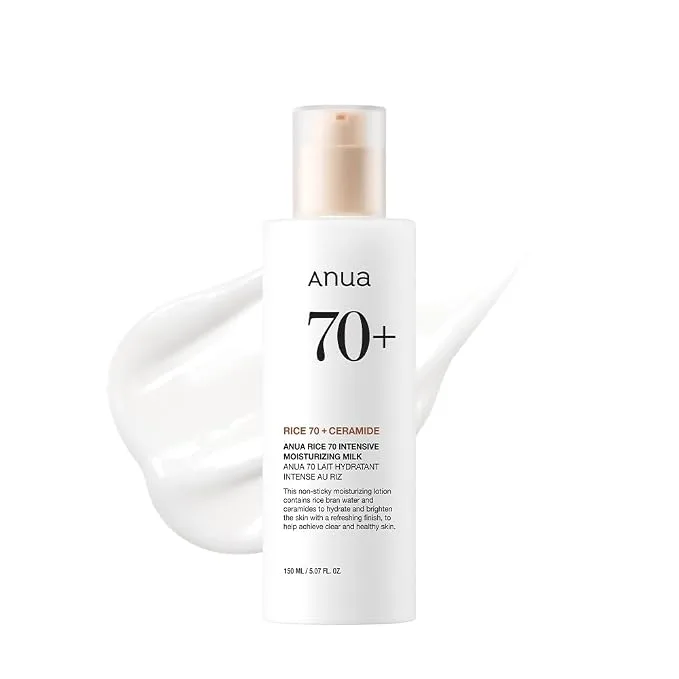
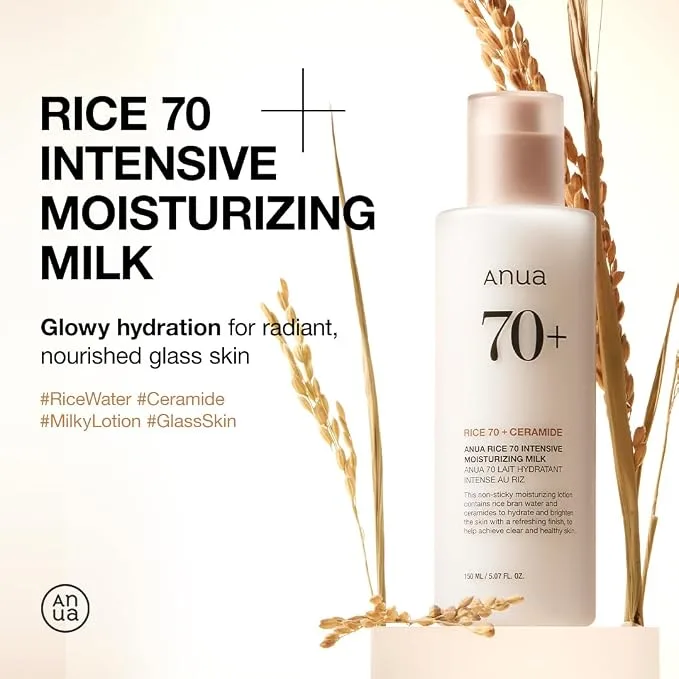
A lightweight K-beauty milk that delivers real hydration without ever feeling heavy, the pick for anyone who wants dewy skin, not oily.
Key Specifications
Why We Like It
- Genuinely lightweight, fast-absorbing texture that reviewers describe as "dewy, not oily"
- Rice extract and ceramide combination strengthens the skin barrier without any sticky residue
- Layers well underneath sunscreen and other serums, per reviewer feedback
- Didn't cause breakouts even for reviewers with reactive skin
Worth Noting
- A true milk/lotion texture rather than a rich cream, less intensive for very severe dryness
- Smaller 5.07 fl oz bottle compared to some of the larger body creams in this roundup
The Ordinary Natural Moisturizing Factors + HA
The Ordinary's Natural Moisturizing Factors + HA is the best value in this entire roundup, and it earns that badge on substance, not just price. It's accepted by the National Eczema Association, a meaningful third-party signal for genuinely reactive, dry skin, and one detailed reviewer called it a high-quality, effective product that does exactly what it claims: deep hydration and a protected barrier that lasts through the day, especially useful in a harsh, drying climate.
Her one hesitation was texture, a thick, dense formula that feels heavy on first application before it sinks in, which she preferred less than a lighter, more fluid lotion. A German reviewer managing combination dry-and-oily skin specifically praised the fragrance-free formulation and uses it as a makeup base after a hyaluronic serum.
At seven to ten dollars for the tube, this is genuinely one of the lowest-risk ways to test whether a barrier-focused formula makes a difference for your skin. A Swedish reviewer simply called it very good, while a German reviewer dealing with a diagnosed dry-yet-oily skin condition described it as recommendable to anyone with genuinely moisture-poor skin, reinforcing that its appeal holds up beyond just budget-conscious US shoppers.
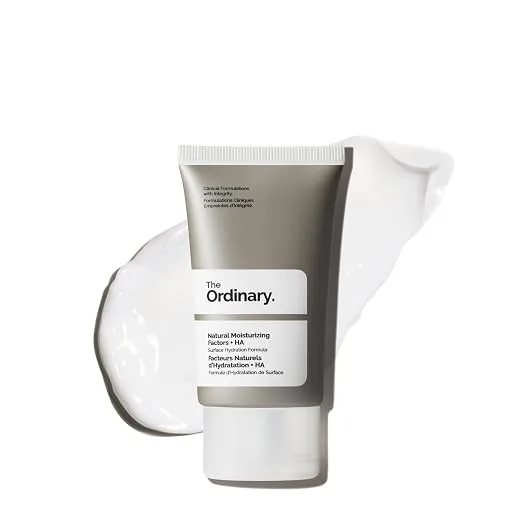
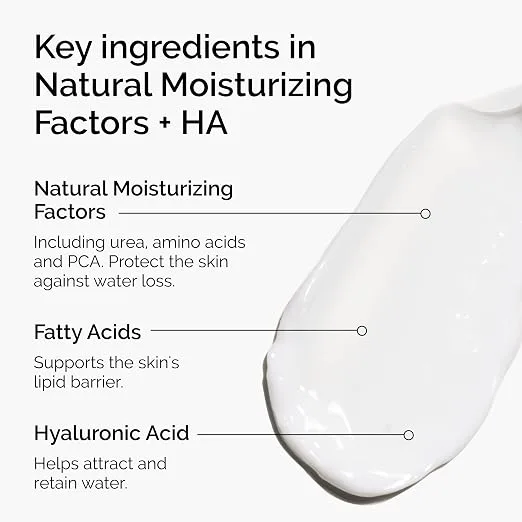

The best value in this roundup: a National Eczema Association-accepted, barrier-focused formula at a genuinely unbeatable price.
Key Specifications
Why We Like It
- Accepted by the National Eczema Association, a meaningful third-party signal for anyone with genuinely reactive, dry skin
- Fragrance-free, clean ingredient list built specifically around hyaluronic acid and amino acids for barrier support
- One of the most affordable moisturizers in this entire roundup at under ten dollars
- Reviewers with harsh climates or chronically dry skin report a moisture seal that genuinely lasts all day
Worth Noting
- Thick, dense formula that feels heavy on first application, not a match for anyone who prefers a lightweight, fast-absorbing gel
- Small 1 fl oz (30ml) tube means more frequent repurchasing for daily use
Cetaphil Moisturizing Cream
Cetaphil's Moisturizing Cream carries the largest review base in all of skincare, over 40,000 ratings at a 4.8-star average, at a genuinely budget-friendly price for a 20 oz jar covering both face and body. International reviewers consistently praise how smooth and hydrating it feels, with one specifically noting it worked well on her daughter's skin with zero allergic reaction.
One especially detailed reviewer offered a more balanced take worth knowing before buying in bulk: good for the price and effective for dry skin, but she noticed a slight stickiness after application and started seeing small, acne-like bumps with regular use. She still called it a solid, hydrating budget pick overall, just not without that specific trade-off, worth a patch test if your skin is prone to congestion. Reviewers across Egypt, Germany, and the Netherlands all independently confirm smooth, well-absorbed hydration without the stickiness issue, suggesting that particular complaint may be more about individual skin type than a formula-wide flaw.


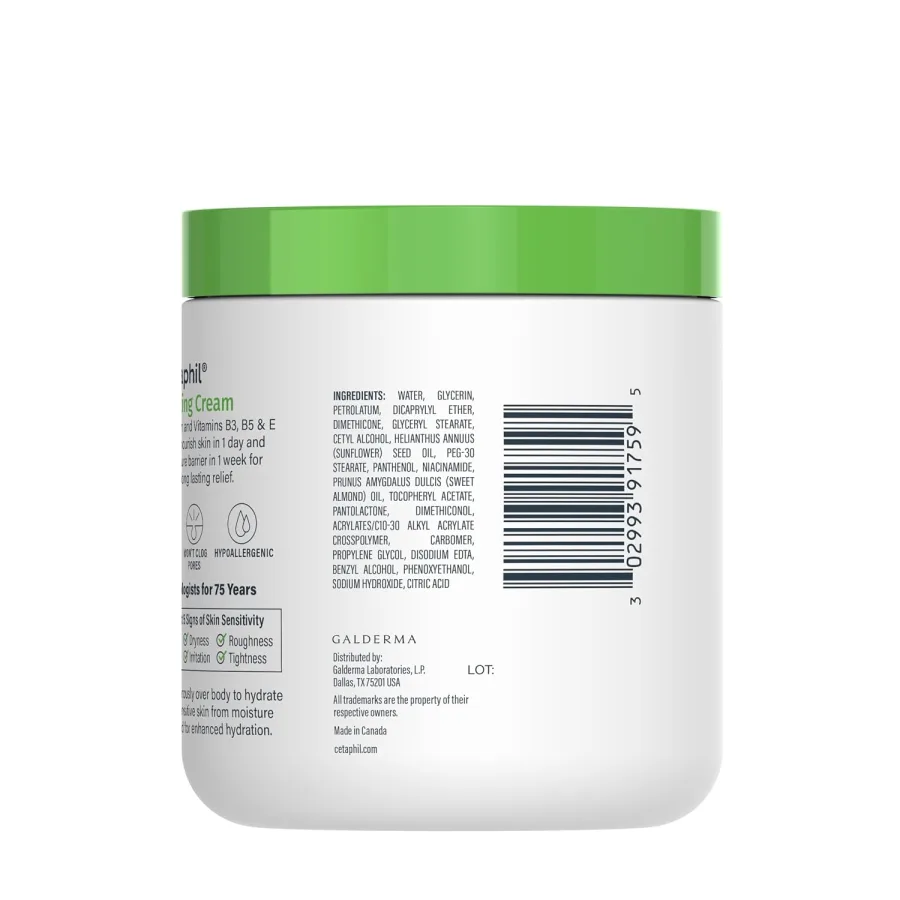
The most reviewed moisturizer on this entire list, with over 40,000 ratings, a genuinely affordable everyday pick with one real texture trade-off to know about.
Key Specifications
Why We Like It
- Over 40,000 reviews at a 4.8-star average, the single largest review base of any product in this roundup
- Large 20 oz jar at a genuinely budget-friendly price for face and body use
- Fragrance-free, paraben-free, sulfate-free, and vegan formula
- International reviewers with sensitive skin report strong hydration without allergic reactions
Worth Noting
- One detailed reviewer noticed a sticky after-feel and small, acne-like breakouts after regular use
- Heavier texture than some of the lighter lotions in this roundup
VICHY Mineral 89 Daily Face Moisturizer
VICHY's Mineral 89 Daily Face Moisturizer is built around the brand's volcanic mineral water base combined with hyaluronic acid, niacinamide, and squalane, a combination aimed at strengthening the moisture barrier rather than sitting on top of it temporarily. The formula is specifically labeled fast-absorbing and no-pilling, which matters if you're layering it under makeup or sunscreen.
It carries dermatologist, allergy, and sensitive-skin testing credentials, putting it in the same gentle-formulation category as the top-rated picks elsewhere in this roundup. Its review base is smaller than the mass-market bestsellers here, but the 4.7-star average holds up consistently, and the 72-hour hydration claim positions it as a genuine daily-wear option rather than an occasional treatment. Being available in four formulas for different skin types is also worth knowing, this specific version is the general dry-and-sensitive-leaning formula, but shoppers with distinctly different concerns can look within the same Mineral 89 line for a closer match.

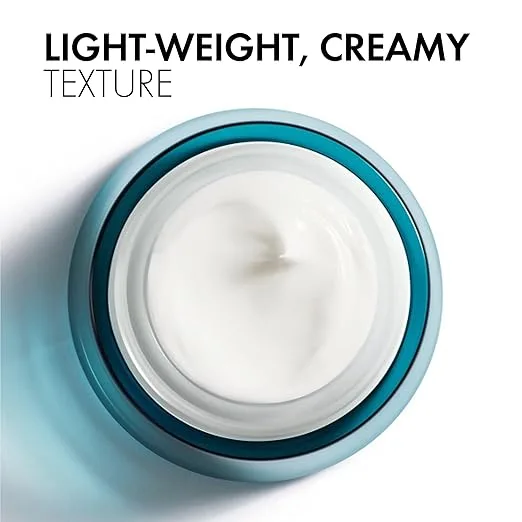
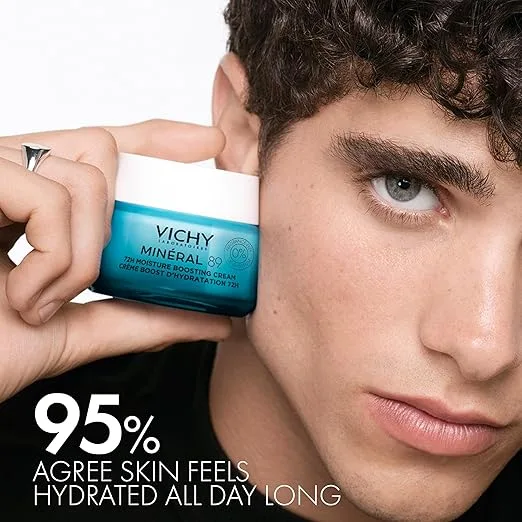
A fast-absorbing, dermatologist-tested daily moisturizer built around hyaluronic acid, niacinamide, and Vichy's volcanic mineral water for a lightweight 72-hour hydration claim.
Key Specifications
Why We Like It
- Fast-absorbing, no-pilling formula that layers cleanly under makeup and sunscreen
- Dermatologist, allergy, and sensitive-skin tested
- Fragrance-free and paraben-free
- Hyaluronic acid, niacinamide, and squalane target both hydration and barrier support in one step
Worth Noting
- Smaller 50ml size and premium pricing compared to the drugstore options in this roundup
- Smaller review base than the bestsellers in this category, though ratings are consistently strong
medicube Triple Collagen Cream
medicube's Triple Collagen Cream sits at the richer end of the brand's lineup, and reviewers consistently compare it against medicube's lighter Jelly cream to explain the difference. One Italian reviewer put it precisely: the Jelly version is more about glow, while this Triple Collagen Cream is more nourishing, with a rich texture that still absorbs well and leaves dry areas noticeably softer by morning when used as a night cream.
A two-week reviewer specifically tracking her results reported more hydrated, soft, smooth skin and a visible glow, rating it a solid four stars with the expectation it would earn five with more time. Reviewers from Spain and Brazil both independently confirmed strong hydration without any greasy after-feel. A reviewer in Singapore called it heavier than medicube's other lighter creams but genuinely luxurious, specifically noting visibly softer skin the following morning after regular nighttime use.


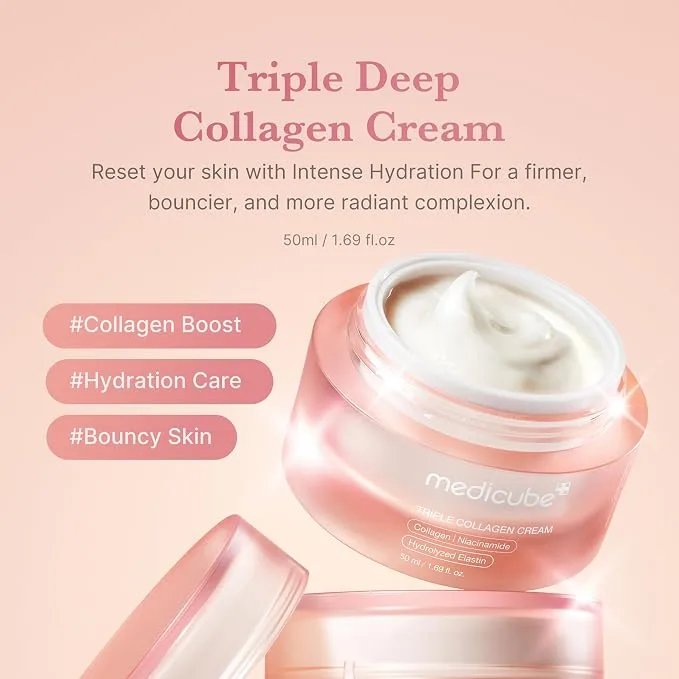
A rich, collagen-and-elastin Korean night cream that reviewers specifically reach for over medicube's lighter Jelly line when nourishment matters more than glow.
Key Specifications
Why We Like It
- Noticeably hydrating within two weeks, according to a detailed reviewer tracking her own results
- Richer, more luxurious texture than medicube's lighter cream line, absorbs well despite the density
- Pleasant, not-overpowering scent praised across international reviews
- Collagen, elastin, and shea butter formula specifically targets firmness alongside hydration
Worth Noting
- Richer texture makes it better suited as a night cream than an all-day, under-makeup formula
- Smaller 1.69 fl oz size at a mid-premium price
TULA 24-7 Hydrating Day & Night Cream
TULA's 24-7 Hydrating Day & Night Cream draws some of the most enthusiastic, specific praise of any product in this roundup, with one reviewer calling it flatly her favorite luxury moisturizer, deeply nourishing with a scent she loves, adding only that the price feels steep. Another reviewer with fairly dry skin specifically praised how it isn't heavy or greasy, soaking right in while leaving skin moisturized and soft.
One five-star reviewer offered a practical tip worth passing along: she adds a bit of a separate ceramide night cream to this one specifically for longer-lasting moisture on more stubborn dry patches, while still rating this a full five stars overall. If price isn't the deciding factor, this is a genuinely well-loved pick. A Canadian reviewer summed up the general sentiment well: smells great and very moisturizing, with the price the only real hesitation mentioned across an otherwise consistently positive set of reviews.
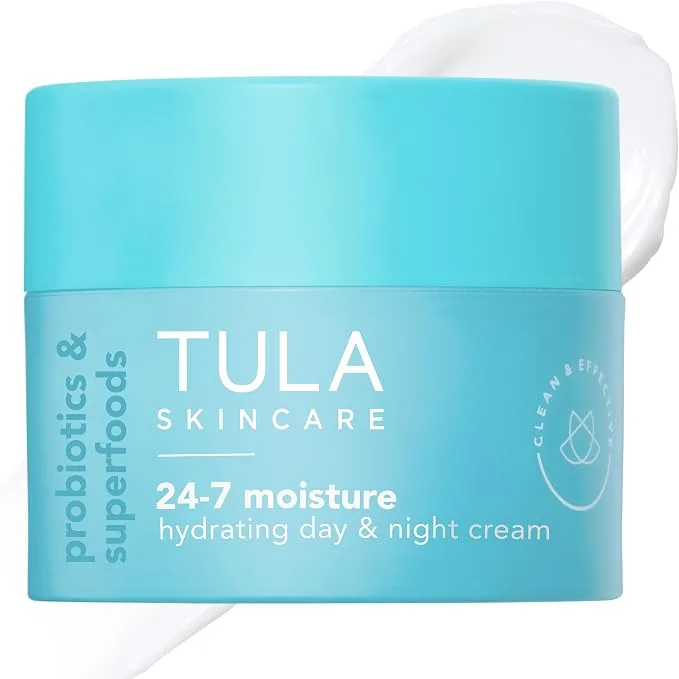
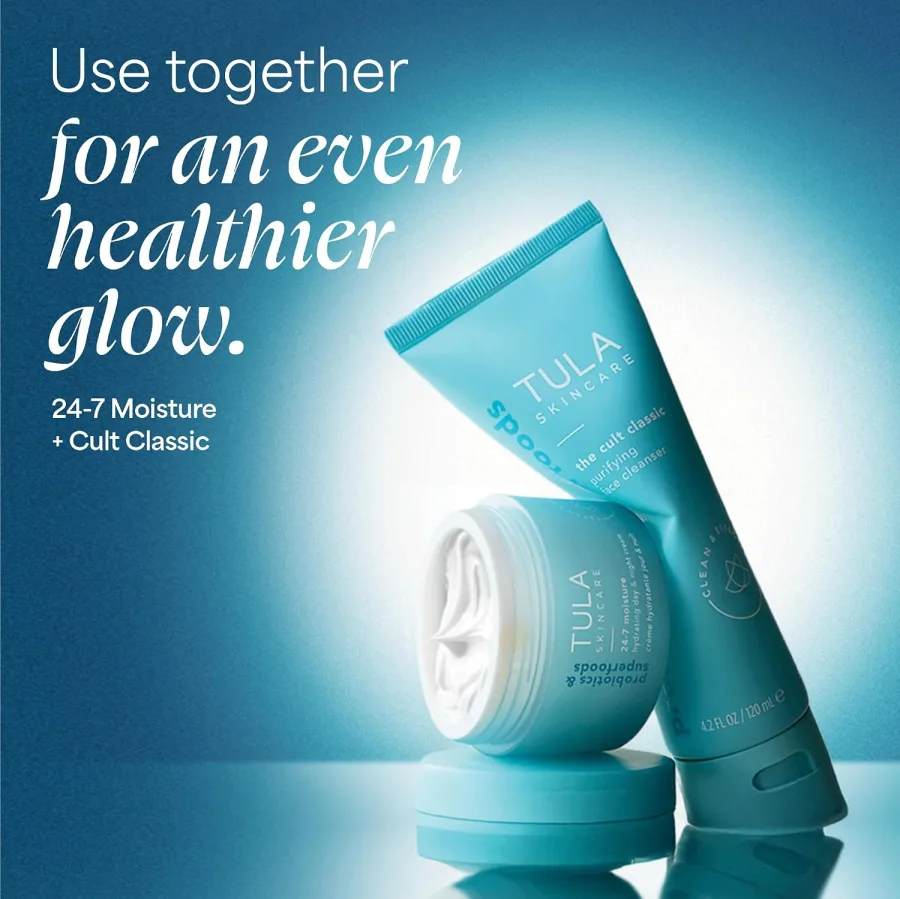

A probiotic-powered cream reviewers call a genuine favorite for scent and hydration, with premium pricing as the honest trade-off.
Key Specifications
Why We Like It
- Nourishes deeply without feeling heavy or greasy, according to reviewers with dry skin specifically
- Watermelon and blueberry-derived scent draws consistent, specific praise
- Probiotic and prebiotic complex alongside peptides and squalane targets both hydration and skin tone
- Fragrance profile described as clean rather than overpowering, despite being scented
Worth Noting
- Multiple reviewers specifically flag the price as the main drawback for what you get
- Small 1.5 oz jar; one reviewer supplements with a separate night cream for longer-lasting hydration
TATCHA The Dewy Skin Cream
TATCHA's The Dewy Skin Cream draws some of the most personal, detailed testimonials in this entire roundup. One reviewer, a dialysis patient managing very dry, dull skin as a result of her treatment, described herself as extremely picky about face creams and still found this one genuinely different from anything she'd bought at the drugstore. Another reviewer who splurged after trying a sample echoed the sentiment: the texture, scent, and hydration all felt like a real step up.
The most consistent criticism is price. One reviewer loves the dewy, glowy finish and fast absorption but is direct that it's too expensive relative to the jar size, and another described an occasional oily sensation on certain days despite otherwise recommending it. At $70 to $75 for 1.7 oz, this is a genuine splurge, best justified for skin that's struggled to find real relief elsewhere. One long-time skeptic of face creams in general described it as unlike anything she'd purchased at the drugstore, a meaningful claim from someone who explicitly said she's picky about this exact category of product.


A luxurious, fast-absorbing plumping cream that reviewers say genuinely outperforms drugstore options, at a price that draws honest pushback from its own fans.
Key Specifications
Why We Like It
- Reviewers with chronically dry, dull skin (including one dialysis patient) report genuinely transformative hydration
- Absorbs quickly for how rich the formula feels, and reportedly helps makeup last longer
- Hyaluronic acid and Japanese superfood fermentation formula targets plumpness and fine lines alongside hydration
- Dermatologist tested, oil-free, and non-comedogenic despite the rich, dewy finish
Worth Noting
- One reviewer specifically says the price isn't justified relative to the jar size
- A small number of reviewers describe an oily sensation on some days
Eight Saints Up the Anti Night Cream
Eight Saints' Up the Anti Night Cream has built a genuinely loyal customer base, one reviewer specifically noted using the brand consistently since 2020, describing the texture as sitting comfortably between lightweight and creamy without ever feeling thick or greasy, absorbing quickly with no residue.
Reviews on the anti-aging claim specifically are more mixed. One reviewer felt it currently just looks and feels like a standard moisturizing cream without a clear wrinkle-reducing effect. Another had a more cautious but positive experience: a tightening sensation that didn't dry out her skin, though she limits use to every other night and keeps it away from her eyes specifically, since that area is easily irritated and reactive to the ingredients. A long-time customer who first discovered the brand through a discovery kit years ago specifically credited Eight Saints' overall ingredient quality as the reason she's stayed loyal, even with the mixed anti-aging feedback noted elsewhere in the reviews.
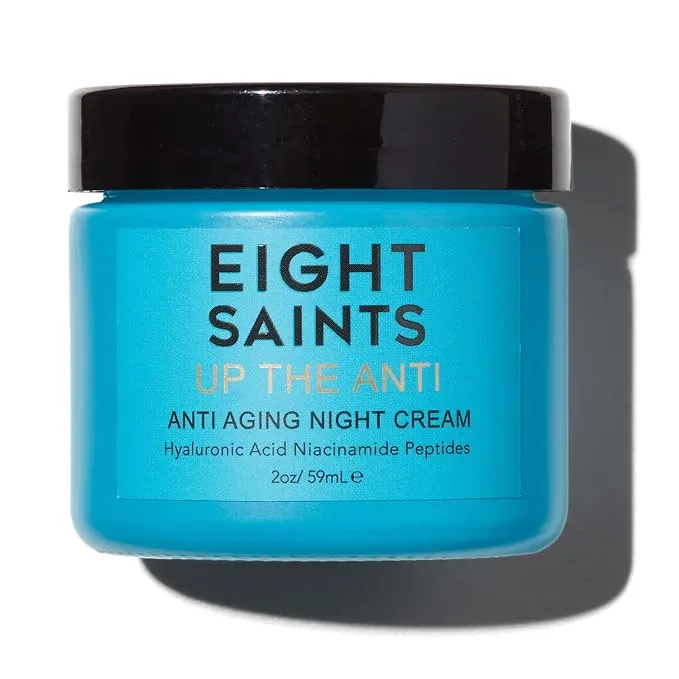
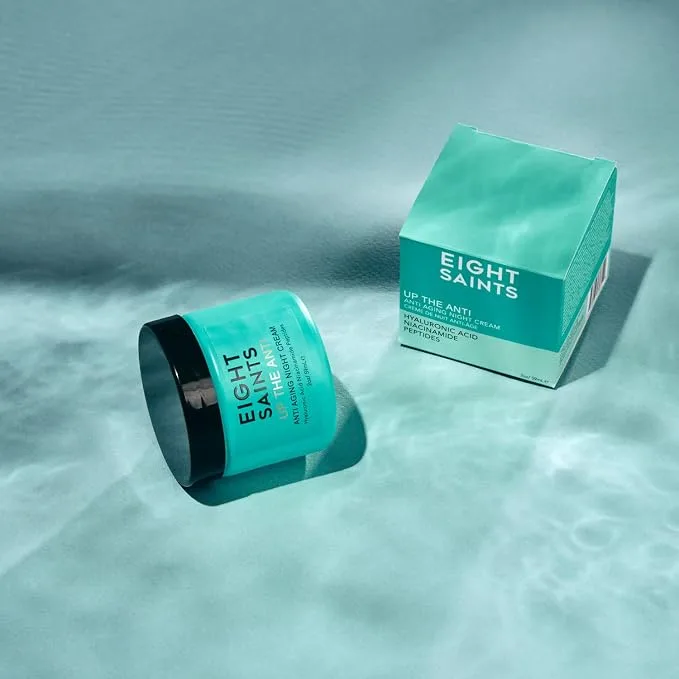

A well-liked overnight cream with a genuine fan base, though it needs care around the eye area and results are more subtle for anti-aging claims specifically.
Key Specifications
Why We Like It
- Sits between lightweight and creamy without feeling thick or greasy, per a long-time repeat buyer
- Absorbs quickly and leaves no residue, works well layered with other skincare
- Subtle, non-overwhelming scent
- Loyal customer base with reviewers who've used it consistently for years
Worth Noting
- One reviewer felt it performed like a generic moisturizer without a noticeable anti-wrinkle effect
- Needs to be kept away from the eye area for reactive, sensitive skin, and some reviewers limit use to every other night
Best Moisturizer for Combination Skin
Combination skin, oily through the T-zone but genuinely dry on the cheeks, presents a real formulation challenge, and it's worth addressing directly since it doesn't fit neatly into either the "rich cream" or "lightweight lotion" categories covered above. ANUA's Rice 70 Milk and TATCHA's Dewy Skin Cream both earn specific praise from reviewers with combination skin in this exact research; ANUA for its non-greasy, dewy-not-oily finish that doesn't overload oilier areas, and TATCHA for absorbing quickly enough that it doesn't leave a heavy film on the T-zone while still delivering real hydration to drier cheek areas.
The general strategy reviewers describe for combination skin, applying a lighter formula overall and only reaching for a richer cream on the specifically dry areas rather than the whole face uniformly, applies well to this roundup's lineup: ANUA or VICHY as a base layer, with a small amount of CeraVe or La Roche-Posay spot-applied to genuinely flaky patches as needed.
What's the Best Moisturizer for Extremely Dry or Severe Dryness?
For skin that's cracking, flaking, or persistently tight no matter how often you apply a standard lotion, the best lotion for extremely dry skin in this roundup is unambiguously La Roche-Posay's Lipikar AP+MAX or CeraVe's Intensive Moisturizing Cream, both explicitly formulated and reviewed for genuinely severe dryness rather than everyday maintenance. Reviewers dealing with the most stubborn dry patches describe both as fixing dryness fast, specifically because their thick, ceramide-rich formulas are built to seal in far more moisture per application than a standard lotion.
If daily moisturizing alone still isn't resolving severe dryness after a few weeks of consistent use, that's worth mentioning to a dermatologist, since persistent severe dryness can sometimes signal an underlying skin condition like eczema or a thyroid-related issue that a moisturizer alone won't fully resolve, regardless of how good the formula is.
Moisturizer vs. Lotion: Is There Really a Difference?
This is one of the most common points of confusion in this category, so it's worth answering directly. "Moisturizer" is the broad category, anything designed to add or seal in hydration. "Lotion" specifically refers to a lighter, more water-based formula within that category, while "cream" refers to a thicker, more oil-heavy formula, and "ointment" (the heaviest tier, think petroleum jelly) sits at the far end for the most severe dryness. Every product in this roundup falls somewhere on that lotion-to-cream spectrum, ANUA's milk sits closest to the lotion end, while La Roche-Posay's Lipikar and TATCHA's Dewy Skin Cream sit closer to the rich-cream end.
So is moisturizer the same as lotion? Not exactly, lotion is a type of moisturizer, not a synonym for it. If you're asking what moisturizer to use, the honest answer is that thickness should match your skin's actual dryness level: genuinely flaky, tight, or cracked skin usually needs a cream or ointment-tier formula, while merely dry-but-comfortable skin often does better with a lighter lotion that won't feel heavy or contribute to clogged pores.
How to Apply Moisturizer Correctly
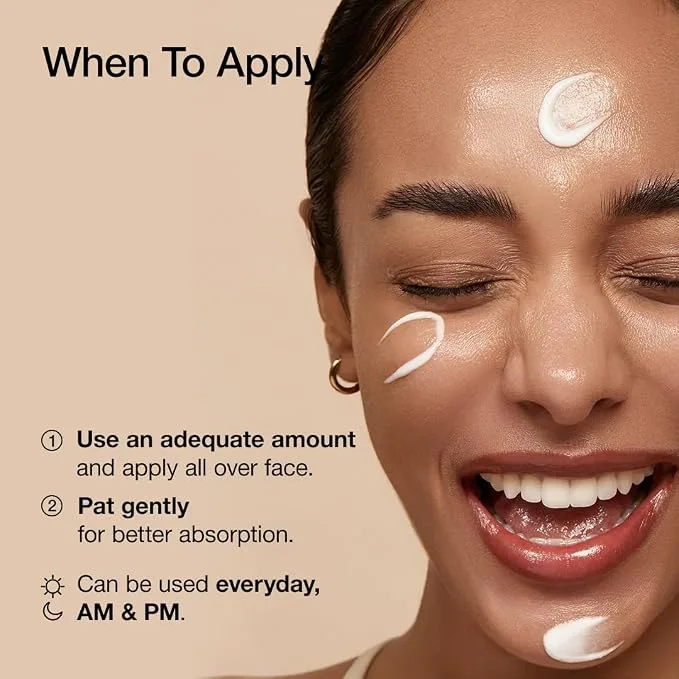
Even the best moisturizer for dry skin underperforms if it's applied incorrectly, and a few specific habits separate the strongest results from the disappointed ones across this research:
- Apply to damp skin. Multiple reviewers across this roundup specifically apply their moisturizer immediately after a shower or cleansing, while skin is still slightly damp, which helps seal in that surface moisture rather than letting it evaporate before the product goes on.
- Use more than you think you need on genuinely dry patches. Reviewers repeatedly describe under-applying rich creams like La Roche-Posay's Lipikar AP+MAX or The Ordinary's Natural Moisturizing Factors + HA, then feeling like the product "isn't working," when the real issue was too thin a layer.
- Massage in fully rather than patting once. Thicker creams especially need real rubbing time to fully absorb; rushing this step is the most common reason a good moisturizer feels greasy.
- Layer thinnest to thickest. Serums first, then moisturizer, then sunscreen if it's daytime, applying a heavy cream before a lighter serum traps the serum uselessly on the surface instead of letting it absorb.
How much moisturizer should you use on your face specifically? A nickel-to-quarter-sized amount is the commonly cited standard for a full face, though richer creams in this roundup, like La Roche-Posay's or CeraVe's, may need less given how concentrated they are, while lighter lotions like ANUA's may need slightly more to feel adequately hydrating.
Can You Use Body Moisturizer on Your Face?
Sometimes, but it depends on the specific formula. Several products in this roundup, La Roche-Posay's Lipikar and CeraVe's Intensive Cream in particular, are marketed as body creams but are used on the face by a meaningful number of reviewers specifically because the ingredient lists are gentle enough (fragrance-free, non-comedogenic) to justify it. That said, body creams are sometimes formulated with heavier, less refined oils that can feel too rich or slightly more pore-clogging on facial skin specifically, so if you're going to use a body cream on your face, patch test a small area first and watch for a few days before committing to regular use, exactly what the reviewers who successfully use these body creams on their faces did.
Best Moisturizer for Dry, Aging Skin
Dry skin and aging skin frequently overlap, since skin naturally produces less of its own oil and hyaluronic acid over time, and the best moisturizer for aging skin in this roundup leans toward formulas that pair hydration with actives that support elasticity and fine lines. TATCHA's Dewy Skin Cream and TULA's 24-7 Cream both combine rich hydration with plumping, firming ingredients, hyaluronic acid and Japanese fermentation in TATCHA's case, peptides and collagen-supporting actives in TULA's. medicube's Triple Collagen Cream is built specifically around firming, with collagen and elastin as headline ingredients alongside its hydrating base.
Eight Saints' Up the Anti Night Cream also targets fine lines directly, though reviews on its anti-aging effect specifically are more mixed than the hydration reviews across this roundup, worth knowing if wrinkle reduction, not just moisture, is your primary goal.
Face Cream vs. Body Lotion for Dry Skin
The distinction between a "face moisturizer" and a "body lotion" comes down to formulation weight and pore-clogging risk more than any strict rule. Face-specific formulas, like ANUA's, VICHY's, TATCHA's, TULA's, and Eight Saints' in this roundup, are generally tested to be non-comedogenic and lighter on the skin, since facial skin has more oil glands and is more prone to breakouts than body skin. Body lotions for dry skin, like La Roche-Posay's Lipikar, tend to be formulated with less concern for pore-clogging and more emphasis on covering large surface areas efficiently and affordably.
That said, as covered above, some body creams (CeraVe's and La Roche-Posay's specifically) are gentle enough that a meaningful number of reviewers use them on their faces successfully. If you're shopping specifically for a face cream because body lotion for dry skin has broken you out before, prioritize the face-marketed formulas in this roundup first, and treat the body creams as a face option only after a successful patch test.
Best Hydrating Moisturizer for Daily Use
For genuine daily wear, under makeup, under sunscreen, worn all day at work, the best daily moisturizer in this roundup needs to absorb fast enough not to interfere with the rest of your routine while still delivering real hydration. VICHY's Mineral 89 and ANUA's Rice 70 Milk both earn specific praise for fast, non-pilling absorption, making them the strongest daily-wear picks here, while the richer creams like La Roche-Posay's and TATCHA's Dewy Skin Cream are better suited to a nighttime or weekend routine where you have a few extra minutes for the product to fully sink in before getting dressed.
Best Moisturizer for Sensitive Skin
If you're specifically hunting for the best moisturizer for sensitive skin, fragrance-free formulation and a track record of zero-irritation reviews matter more than any single ingredient. CeraVe's Intensive Cream, La Roche-Posay's Lipikar, The Ordinary's NMF+HA, and Cetaphil's Moisturizing Cream are all fragrance-free and specifically formulated for sensitive skin, with reviewers across multiple countries confirming no redness or breakouts even on reactive facial skin.
Watch for scented formulas if fragrance sensitivity specifically is a concern, TULA's watermelon scent and Eight Saints' green tea scent are both genuinely liked by most reviewers, but neither is marketed as fragrance-free, so anyone with a known fragrance sensitivity should start with one of the four unscented options above instead.
Best Drugstore Moisturizer for Dry Skin
Three products in this roundup sit comfortably in true drugstore territory: The Ordinary's NMF+HA at under ten dollars, Cetaphil's Moisturizing Cream at under eighteen, and CeraVe's Intensive Cream at under twenty. All three also rank in the top five of this entire roundup by score, genuinely useful if you assumed a bigger price tag automatically meant better results. For anyone specifically searching for the best drugstore moisturizer, start with whichever of these three matches your skin's actual dryness level rather than assuming you need to spend more.
Moisturizer for Men: Does It Need to Be Different?
The short answer is no, the ingredients that repair a dry skin barrier work identically regardless of gender. If you're trying to figure out what moisturizer to use for men specifically, the real differences are usually about scent preference (several men gravitate toward unscented or more neutral-smelling formulas like CeraVe's or The Ordinary's rather than TULA's watermelon or Eight Saints' green tea) and texture preference, since men's skin is on average slightly thicker and can sometimes tolerate a richer cream without feeling as heavy. Beyond those two preferences, any of the ten moisturizers in this roundup work regardless of who's using them.
Moisturizing Alongside Retinoids and Other Active Ingredients
If you're using a retinoid, an exfoliating acid, or another potentially drying active ingredient, your moisturizer's job shifts from optional comfort step to essential damage control. One reviewer in this roundup specifically uses CeraVe's Intensive Moisturizing Cream on her face at night layered over her retinoid treatment, precisely because the fragrance-free, ceramide-rich formula calms the sensitivity and redness that retinoids commonly cause without interfering with how the active ingredient works underneath.
The general technique many dermatologists recommend, and that this reviewer's approach reflects, is applying the active ingredient first on clean, dry skin, waiting a few minutes for it to absorb, then following with a rich moisturizer to buffer the irritation. If you're newer to retinoids or acids specifically, starting with a richer, more barrier-focused formula like La Roche-Posay's or CeraVe's rather than a lighter lotion gives your skin more of a cushion while it adjusts.
Some people manage the same problem the opposite way, by "buffering" instead of layering: mixing a small amount of moisturizer directly with the retinoid before applying, which dilutes the active ingredient's strength and reduces irritation for very reactive skin, at the cost of somewhat slower results. Either method works, and which one makes more sense usually comes down to how sensitive your specific skin has proven itself to be with actives in the past. Whichever approach you choose, the moisturizer itself still needs to be rich enough to do real barrier work, which is exactly why fragrance-free, ceramide-based options dominate dermatologist recommendations for anyone combining retinoids with a genuinely dry skin type.
Traveling With Dry Skin: Keeping Your Routine Consistent
Dry skin tends to get noticeably worse while traveling, thanks to the combination of low-humidity airplane cabins, unfamiliar tap water, and disrupted routines, which is exactly when a consistent moisturizer matters most. Several of the picks in this roundup travel well for different reasons: The Ordinary's NMF+HA and Cetaphil's Moisturizing Cream come in reasonably sized, TSA-friendly tubes, while CeraVe's larger jar is worth decanting into a smaller travel container rather than leaving behind entirely, since switching to an unfamiliar hotel-provided lotion mid-trip is one of the most common reasons dry skin flares up while away from home.
On a long flight specifically, applying a rich moisturizer both before boarding and again partway through the flight helps counteract the extremely low cabin humidity, which can be drier than most deserts. Packing a genuinely effective, barrier-repairing formula, rather than whatever travel-sized lotion happens to be on sale, is a small decision that makes a noticeable difference in how your skin looks and feels by the time you land.
Common Moisturizer Myths, Debunked
A few persistent misconceptions show up often enough in this category to address directly. First: oily skin doesn't need moisturizer. This isn't true, oily skin can still be dehydrated, and skipping moisturizer entirely often triggers the skin to overproduce oil to compensate, making the original oiliness worse rather than better. Second: more expensive always means more effective. The reviews across this roundup don't support that assumption, The Ordinary's seven-to-ten-dollar tube is accepted by the National Eczema Association, a credential several pricier competitors here don't carry.
Third: a moisturizer that feels rich or heavy is automatically better for dry skin than a lighter one. Texture and actual barrier-repair power aren't the same thing; ANUA's genuinely lightweight milk delivers real hydration through niacinamide and ceramides despite feeling nothing like a heavy cream. And fourth: you should switch moisturizers constantly to "keep your skin from getting used to it." Skin doesn't build tolerance to moisturizer the way it might to a medication; a formula that's working well for your skin can generally be used consistently for as long as it continues working.
Winter Dryness: When to Upgrade Your Moisturizer
If your regular moisturizer stops feeling like enough once the weather turns cold and dry, that's a normal, common seasonal shift, not a sign your usual product suddenly stopped working. Indoor heating strips ambient humidity dramatically, and skin that felt adequately hydrated with a lighter lotion in summer often needs the richer end of this roundup, La Roche-Posay's Lipikar, CeraVe's Intensive Cream, or The Ordinary's thicker NMF+HA, once winter sets in. A reasonable approach many reviewers describe without necessarily naming it as a strategy: keep a lighter lotion for warmer months and a richer cream on hand specifically for the driest weeks of the year, rather than expecting one formula to handle both extremes equally well.
Moisturizer and Makeup: What Order to Apply
Moisturizer should always go on before makeup, never after, since makeup applied to bare, unmoisturized skin tends to look patchy and cling to dry areas, while a properly moisturized base helps foundation and concealer sit more evenly. Give your moisturizer a few minutes to fully absorb before starting makeup; applying foundation over a moisturizer that hasn't sunk in yet is one of the most common causes of makeup pilling or sliding around midday.
Several products in this roundup are specifically praised by reviewers for how well they perform as a makeup base: TATCHA's Dewy Skin Cream is credited with helping makeup last longer and sit better by one reviewer with combination skin, and VICHY's Mineral 89 is explicitly marketed as fast-absorbing and non-pilling for exactly this reason. If foundation wear-time is a real factor in your moisturizer decision, prioritize the fastest-absorbing formulas in this roundup over the richest ones.
Moisturizer Storage and Shelf Life
Most moisturizers list a period-after-opening symbol, typically 12 to 24 months, indicating how long the formula stays effective and safe to use once opened, though this varies by product and packaging. Jar-packaged creams, like several in this roundup, are more exposed to air and repeated finger contact than pump or tube formats, which can shorten effective shelf life somewhat and introduces more opportunity for contamination if you're not using clean hands or a spatula.
Keeping any moisturizer away from direct heat and sunlight, not left on a sun-baked bathroom windowsill or in a hot car, helps preserve both texture and the effectiveness of light-sensitive actives like hyaluronic acid and niacinamide. A formula that's separated, changed color, or developed an off smell compared to when you first opened it is worth replacing regardless of the printed date.
Ingredients That Actually Repair Dry Skin
Beyond the general "hydrating" marketing language every product in this category uses, a few specific ingredients show up repeatedly across the strongest reviews in this roundup. Ceramides, in CeraVe's and La Roche-Posay's formulas, are lipids that are naturally part of your skin barrier and directly replace what dry, damaged skin has lost. Hyaluronic acid, present in ANUA's, The Ordinary's, VICHY's, TATCHA's, and Eight Saints' formulas, draws and holds water in the skin, though it works best when applied to damp skin and sealed with a cream or oil afterward. Shea butter, in CeraVe's and La Roche-Posay's creams, is a rich emollient that fills in gaps between skin cells to reduce moisture loss.
Niacinamide, in ANUA's and VICHY's formulas, supports the barrier while also helping with tone and texture. Squalane, in TULA's and VICHY's formulas, mimics skin's own natural oils closely enough to absorb without feeling heavy. If a moisturizer's ingredient list is mostly water, fragrance, and a single vague "moisturizing complex," it's reasonable to expect less real barrier repair than a formula built around one or more of these specific, well-studied ingredients.
What Does Moisturizer Actually Do, and Do You Really Need It?
Moisturizer works through two main mechanisms: humectants (like hyaluronic acid) that pull water into the outer skin layer, and occlusives or emollients (like shea butter, ceramides, and oils) that seal that water in and slow its evaporation. Skin naturally loses water to the air constantly, a process called transepidermal water loss, and a moisturizer's whole job is to slow that process down.
Is it okay to use moisturizer even if your skin doesn't feel obviously dry? Generally yes, moisturizer supports the skin barrier for every skin type, including oily skin, which can still be dehydrated even while producing excess oil. The specific formula matters more than the decision to moisturize at all: someone with oily, acne-prone skin should reach for a lighter, oil-free option, while someone with genuinely dry, flaky skin needs the richer, ceramide-or-shea-butter-based formulas that dominate the top of this roundup.
Quick Answers: Best Moisturizer for Dry Skin, By Every Way People Ask It
Because so many shoppers phrase the same question differently, it's worth answering the most common versions directly in one place. What is the best moisturizer for dry skin, in the simplest terms? For most people, CeraVe's Intensive Moisturizing Cream or La Roche-Posay's Lipikar AP+MAX, both dermatologist-trusted, fragrance-free, and proven at massive review scale. What is a good moisturizer for dry skin on a tighter budget? The Ordinary's Natural Moisturizing Factors + HA, at under ten dollars and accepted by the National Eczema Association, is genuinely one of the best moisturizer for dry skin options at any price, not just among cheap ones.
What is the best facial moisturizer specifically, as opposed to a body cream? ANUA's Rice 70 Milk and VICHY's Mineral 89 are both built and marketed specifically for the face, with lighter, faster-absorbing textures than the body-first creams elsewhere in this roundup. What is the best moisturizer for mature or aging skin? TATCHA's Dewy Skin Cream and TULA's 24-7 Cream both combine hydration with plumping and firming actives specifically relevant to aging skin, and both come up repeatedly whenever the question is specifically about the best moisturizer for dry, aging skin rather than dryness alone.
How do you moisturize dry skin properly, beyond just picking a product? Apply to slightly damp skin immediately after washing, use a genuinely adequate amount rather than a thin swipe, and give richer creams real time to massage in fully. And if you're simply asking what's the best face moisturizer without any other qualifier, the honest answer from this research is that CeraVe's Intensive Moisturizing Cream is the safest, most broadly effective starting point, gentle enough for sensitive skin, rich enough for genuine dryness, and proven at a scale few competitors can match.
What is a good face moisturizer if you're specifically dealing with flaking, not just tightness? Reach for the richer end of this roundup, La Roche-Posay's or CeraVe's, since flaking usually signals a more advanced barrier breakdown than a lighter lotion is built to address. What is a great face moisturizer for someone who's never used one consistently before? Start with The Ordinary's NMF+HA or Cetaphil's Moisturizing Cream, both affordable enough to experiment with while you figure out what texture and richness level actually works for your specific skin.
What does moisturizer do for your face exactly, beyond the obvious? Beyond comfort, a consistently used moisturizer supports the skin barrier's ability to defend against irritants and environmental stress over time, which is a big part of why dermatologists recommend daily use even on skin that doesn't feel obviously dry in the moment. Is moisturizer the same as lotion, one more time for clarity? No, lotion is one specific, lighter category within the broader moisturizer umbrella, alongside creams, milks, balms, and ointments, all covered in more detail earlier in this guide.
How to Choose the Best Moisturizer for Dry Skin for Your Specific Situation
There isn't one single best moisturizer for dry skin that's right for every face, because "dry skin" itself isn't one condition. Someone with mildly dry, slightly tight skin in a humid climate needs a very different formula than someone with flaking, cracked patches through a harsh winter, and treating both cases the same way is the single most common reason a moisturizer purchase disappoints. Before picking from this roundup, it helps to place your own skin honestly on that spectrum.
If your dryness is mild and mostly seasonal, a lighter option like ANUA's Rice 70 Milk or VICHY's Mineral 89 is likely the best moisturizer for dry skin in your case, since a heavier cream may feel unnecessarily greasy on skin that isn't severely compromised. If your dryness is moderate and consistent year-round, the middle of this roundup, Cetaphil's Moisturizing Cream or medicube's Triple Collagen Cream, tends to hit the right balance of richness without tipping into heaviness. And if your dryness is severe, with visible flaking, cracking, or a barrier that feels genuinely compromised, the two top-ranked picks, CeraVe's Intensive Moisturizing Cream and La Roche-Posay's Lipikar AP+MAX, are built specifically for that level of need and consistently rank as the best moisturizer for dry skin among reviewers describing exactly that situation.
| Your Situation | Best Pick | Why |
|---|---|---|
| Mild, seasonal dryness | ANUA Rice 70 Milk or VICHY Mineral 89 | Lightweight hydration without unnecessary heaviness |
| Moderate, year-round dryness | Cetaphil Moisturizing Cream or medicube Triple Collagen Cream | Balanced richness for consistent daily use |
| Severe, flaking, or cracked dry skin | CeraVe Intensive Moisturizing Cream or La Roche-Posay Lipikar AP+MAX | Ceramide- and shea-butter-based barrier repair |
| Dry skin plus visible aging concerns | TATCHA Dewy Skin Cream or TULA 24-7 Cream | Hydration paired with plumping, firming actives |
| Tight budget, still need real hydration | The Ordinary Natural Moisturizing Factors + HA | NEA-accepted formula under $10 |
Climate and season matter just as much as skin type when narrowing down the best moisturizer for dry skin for you personally. Someone in a dry, cold climate through winter will likely need a richer formula than the same person would reach for in a humid summer, even if their baseline skin type hasn't changed at all. It's worth keeping a lighter option on hand for warmer months and a genuinely richer one, like CeraVe's or La Roche-Posay's, for whenever the air itself turns against your skin.
Mistakes That Undermine Even the Best Moisturizer for Dry Skin
Even the best moisturizer for dry skin will underperform if a few common application mistakes are working against it. The most frequent one, by a wide margin, is applying too little product. Reviewers who complain that a cream "doesn't do much" are frequently using a thin, lotion-sized amount of a cream that was formulated to be used generously, especially with the richer picks in this roundup like La Roche-Posay's Lipikar, which reviewers specifically note needs a real amount to deliver its full effect.
The second mistake is skipping moisturizer on damp skin. Applying to bone-dry skin means a humectant like hyaluronic acid has little surface water to actually draw in and hold, which blunts its effectiveness considerably. Applying within a minute or two of washing, while skin is still slightly damp, is a small habit change that measurably improves how well any hyaluronic-acid-based formula in this roundup, including ANUA's, The Ordinary's, and VICHY's, actually performs.
The third mistake is switching products too often. Skin barrier repair from a genuinely good, ceramide-rich formula takes consistent use over several weeks, not several days, to show its full effect. Several reviewers across this roundup, especially for CeraVe's, La Roche-Posay's, and medicube's Triple Collagen Cream, specifically noted that results kept improving over two or more weeks of nightly use, and jumping to a new product before giving one a fair trial is one of the most common reasons people conclude, incorrectly, that they haven't found the best moisturizer for dry skin yet when they simply haven't given a solid formula enough time.
How Long Should You Trial a Moisturizer Before Judging It?
One question we saw repeatedly while researching this roundup: how long is genuinely reasonable to test the best moisturizer for dry skin before deciding it isn't working? The honest answer, cross-referenced against the reviewer patterns above, is at least two to three weeks of consistent nightly use, not two or three applications. Skin barrier repair is a gradual process, and the ingredients that do the real work here, ceramides, shea butter, and hyaluronic acid layered correctly, need repeated exposure to rebuild what's been lost, not a single overnight fix.
That trial window matters more for some products in this roundup than others. Richer, barrier-repair-focused creams like CeraVe's and La Roche-Posay's tend to show most of their benefit within the first one to two weeks and then hold steady, which is consistent with how reviewers described them: noticeably calmer, less tight skin within days, with continued improvement over the following weeks. Lighter, more cosmetic formulas like TATCHA's and TULA's, built as much around plumping and glow as raw barrier repair, sometimes take slightly longer for reviewers to feel confident judging, since the effect is more gradual and less dramatic day to day.
If you're three weeks into a fair trial of any product in this roundup and still seeing no improvement at all in tightness, flaking, or comfort, that's a legitimate signal to move on, not a reason to keep pushing through discomfort. But judging the best moisturizer for dry skin after a single use, as some rushed reviews online tend to do, simply isn't long enough for any formula, however good, to show what it's actually capable of.
It also helps to track what you're comparing against. If you switch products every few days chasing a faster result, you lose the ability to tell whether a formula actually worked or whether your skin simply had a good week for unrelated reasons, like weather, sleep, or diet. Keeping a simple mental note, or even a quick phone photo, of how your skin looks and feels at the start of a trial gives you an honest baseline to judge the end of that two-to-three-week window against, rather than relying on memory alone.
Which Should You Buy? Our Verdict
If you want the single best moisturizer for dry skin in this roundup without overthinking it, start with CeraVe's Intensive Moisturizing Cream. It balances hydration, gentleness, and price better than anything else here, and it's the safest bet if you're not sure yet whether your skin needs a face-specific or body-specific formula, since reviewers successfully use it as both.
For the single most proven pick by sheer review volume, La Roche-Posay's Lipikar AP+MAX has the numbers and the dermatologist-brand trust to back it up, provided you don't mind its notably thick texture. If you want something lighter, ANUA's Rice 70 Moisturizing Milk delivers real hydration without any heaviness, and on the tightest budget, The Ordinary's Natural Moisturizing Factors + HA is hard to beat for the price. If your skin sits closer to normal-to-dry rather than genuinely dry, Cetaphil's Moisturizing Cream and VICHY's Mineral 89 are both worth a look for their lighter, everyday-friendly textures, and if a loyal, well-reviewed night cream with a subtle scent appeals to you specifically, Eight Saints' Up the Anti Night Cream has built a genuinely devoted following of its own.
If you're shopping for aging skin specifically and don't mind a premium price, TATCHA's Dewy Skin Cream and TULA's 24-7 Cream both deliver genuine, reviewer-confirmed results, texture and price trade-offs aside. Whichever you choose, matching the formula's richness to your skin's actual dryness level, rather than chasing a brand name, is what will determine whether you've found the best moisturizer for dry skin for your own face, not just for the average reviewer.
If your dry skin routine also includes daily sunscreen or you're removing makeup at the end of the day, our best mineral sunscreen roundup and best makeup remover roundup both cover products built to work alongside a genuinely hydrating moisturizer, rather than undoing its benefits with a stripping cleanse or a chalky sunscreen layered on top.
| Product Name | Score | Price | Best For | Where to Buy |
|---|---|---|---|---|
| CeraVe Intensive Moisturizing Cream with Shea Butter for Dry Skin | 8.8 | $16–$20 | Body Moisturizer | Check Price |
| La Roche-Posay Lipikar AP+MAX Triple Repair Moisturizing Body Cream | 8.7 | $20–$24 | Body Moisturizer | Check Price |
| ANUA Rice 70 Intensive Moisturizing Milk, | 8.6 | $18–$22 | Face Moisturizer | Check Price |
| The Ordinary Natural Moisturizing | 8.6 | $7–$10 | Face Moisturizer | Check Price |
| Cetaphil Moisturizing Cream, Face & Body Lotion Dry Sensitive Skin | 8.3 | $14–$18 | Face & Body Moisturizer | Check Price |
| VICHY Mineral 89 Daily Face Moisturizer | 8.3 | $28–$32 | Face Moisturizer | Check Price |
| medicube Triple Collagen Cream for Hydrating & Firming Moisturizer, | 8.1 | $24–$28 | Face Moisturizer | Check Price |
| TULA Skin Care 24-7 Hydrating Day & Night Cream - Anti-Aging Moisturizer | 7.9 | $48–$52 | Face Moisturizer | Check Price |
| TATCHA The Dewy Skin Cream, Rich Plumping Moisturizer | 7.9 | $70–$75 | Face Moisturizer | Check Price |
| Eight Saints Skin Care Up the Anti Night Cream Face Moisturizer | 7.6 | $34–$38 | Night Cream | Check Price |
Frequently Asked
What is the best moisturizer for dry skin?
What is a good moisturizer for dry skin on a budget?
How much moisturizer should I use on my face?
How do you apply moisturizer correctly?
Is moisturizer the same as lotion?
Can I use body moisturizer on my face?
What is the best moisturizer for aging or mature skin?
What is the best moisturizer for sensitive skin?
Does moisturizer really do anything, or is it mostly marketing?
Which moisturizer is best for dry skin in winter specifically?
What's the difference between a face cream and a body lotion for dry skin?
Do I still need moisturizer if my skin doesn't feel dry?
The Examiner