Beauty & Skincare · roundup
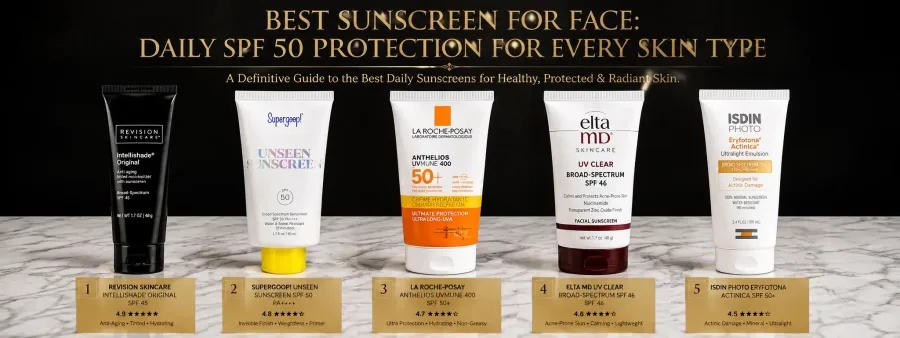
Best Sunscreen for Face: Daily Broad-Spectrum Protection for Every Skin Type
Our definitive guide to the top-performing face sunscreens for clear, protected, and healthy skin.

This article is reader-supported. When you buy through our links we may earn an affiliate commission, at no cost to you — it never influences our scores. As an Amazon Associate we earn from qualifying purchases.
Most people own a sunscreen. Far fewer actually wear it every single day, and the reason usually comes down to the product itself: a white cast under makeup, a greasy shine by lunchtime, stinging when you sweat, or a scent that makes the whole routine feel like a chore. The single biggest factor in whether sunscreen actually protects your skin isn't the SPF number on the bottle — it's whether you'll reliably reach for it tomorrow morning too.
We tested five of the most talked-about facial sunscreens on the market, from a dermatologist-favorite daily lotion to an invisible makeup-primer gel to a maximum-strength formula built for real outdoor exposure. Each was scored across five weighted criteria and assigned a verdict badge from a fixed scoring band, not a marketing budget. Here's exactly which one fits your skin, your routine, and your budget.
How We Picked: Our Evaluation Criteria
Facial sunscreen is a different category from body sunscreen, and testing it fairly means weighing factors that don't matter nearly as much on your arms or legs.
Broad-spectrum protection — Every product here needed genuine UVA and UVB coverage. UVB causes the burn; UVA causes the deeper, cumulative aging damage that shows up years later. A sunscreen that only handles one is doing half the job.
Texture and finish — This is where most face sunscreens fail. We scored heavily on whether a formula leaves a white or grey cast, feels greasy an hour in, or pills when layered under moisturizer and makeup.
Skin compatibility — We noted which formulas are safe for acne-prone, sensitive, or reactive skin, and which ingredients (mineral vs. chemical filters) tend to suit which skin type.
Wearability under makeup — For anyone applying sunscreen as step one of a full face routine, how a product grips (or fights) foundation matters as much as its SPF rating.
Value for money — We weighed cost against bottle size and how much product you actually need per application, not just the sticker price.
Every product was scored on these five criteria out of ten, with the overall rating as the plain average. Verdict badges follow fixed bands: 8.5+ is Editor's Choice, 7.5-8.4 is Best Value or Verified Pick depending on whether price-to-quality is the standout, and 6.5-7.4 is Verified Pick.
1. EltaMD UV Clear Face Sunscreen — Best Overall Daily Facial Sunscreen
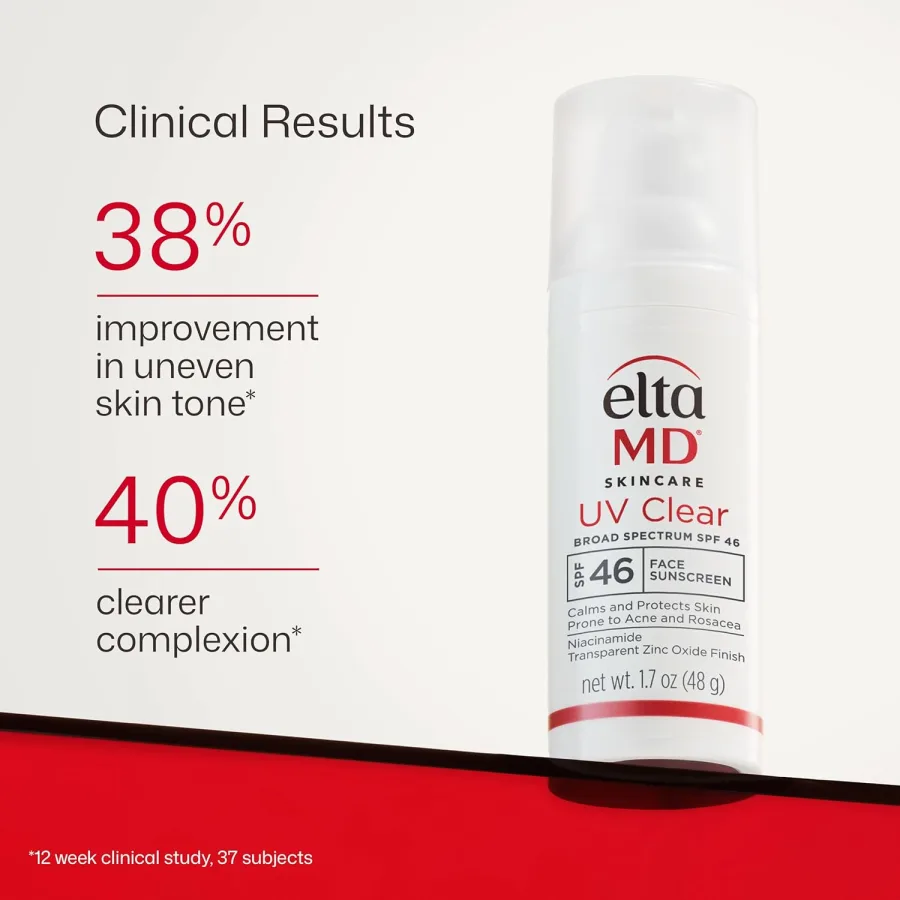
The EltaMD UV Clear Face Sunscreen is the highest-scoring product in this roundup, and it's the sunscreen dermatologists actually recommend to patients with sensitive or acne-prone skin — not as a marketing line, but because the formula genuinely earns it. It combines zinc oxide, a mineral UV filter, with niacinamide, an ingredient that calms redness and inflammation rather than aggravating it.
What sets the EltaMD formula apart from most mineral sunscreens is texture. Zinc oxide alone often means a thick, chalky product that sits heavily on skin and leaves a visible white cast, especially on deeper skin tones. EltaMD's version applies essentially clear, with a lightweight, almost weightless finish that doesn't fight your moisturizer or foundation.
What Makes It Stand Out:
- Applies completely clear — no white or grey cast on any skin tone
- Niacinamide actively calms redness rather than just providing UV protection
- Genuinely lightweight, non-greasy finish that layers well under makeup
- Formulated specifically with acne-prone and reactive skin in mind
- SPF 46 broad-spectrum coverage, meeting dermatologist-recommended protection levels
The two real drawbacks are price and the pump mechanism. At $39-43 for a relatively modest bottle, it's not the cheapest option here, and several reviewers report the pump dispenser occasionally clogging or under-dispensing, requiring a firm second pump to get a full dose.
Where the EltaMD UV Clear Face Sunscreen earns its Editor's Choice badge is consistency: it works for nearly every skin type, doesn't compromise on protection to achieve its light texture, and is the sunscreen most likely to actually get used every single day — which, as covered above, is the entire point.

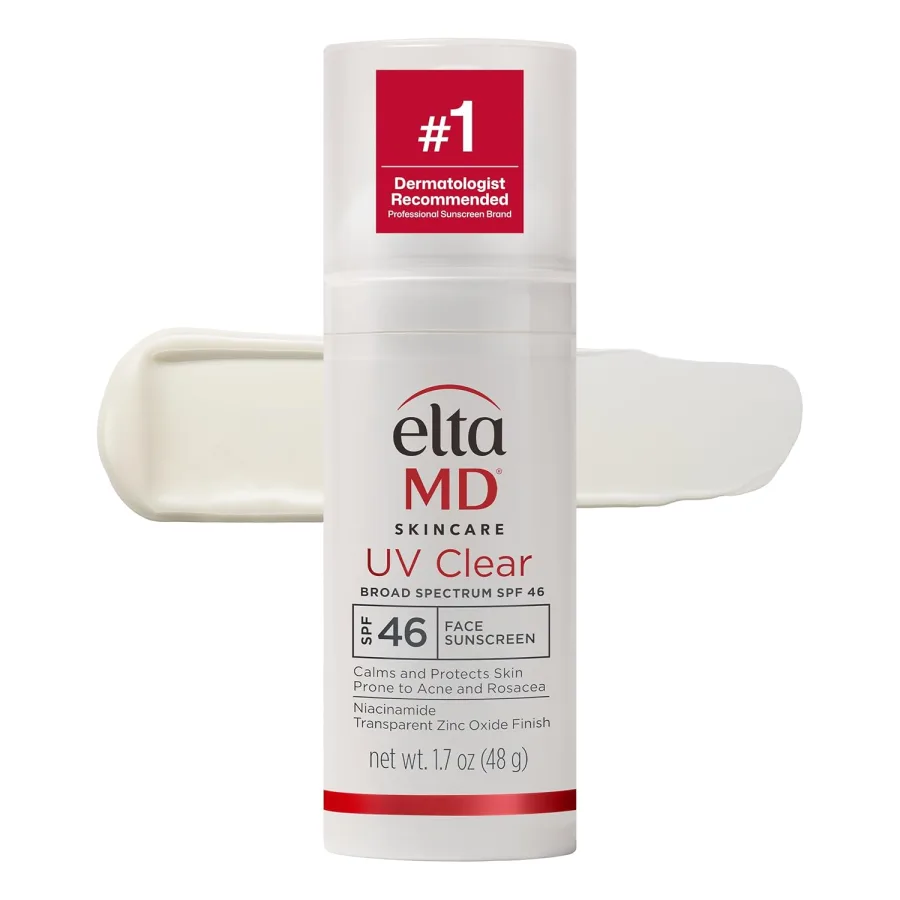
The gold standard for daily facial sun protection, especially for sensitive or acne-prone skin.
Key Specifications
Why We Like It
- Applies completely clear
- Calms acne-prone skin with niacinamide
- Lightweight and non-greasy
Worth Noting
- Premium price
- Pump dispenser can sometimes clog
2. Supergoop! Unseen Sunscreen — Best Invisible Sunscreen Under Makeup
If your biggest sunscreen complaint is that it interferes with makeup, the Supergoop! Unseen Sunscreen was built to solve exactly that problem. This is a gel-based, entirely clear formula using chemical UV filters (avobenzone and homosalate) that dries down to a velvety, almost primer-like finish rather than a traditional lotion texture.
The genuinely unusual thing about the Supergoop formula is that it doubles as a functional makeup primer. Most sunscreens you have to apply, wait for, and then work around when doing your makeup. This one is designed to be the actual first step of your makeup routine, gripping foundation rather than causing it to slide or pill.
Key Benefits:
- Completely invisible on every skin tone tested, with zero white cast
- Functions as an effective makeup primer, not just a sunscreen you apply before one
- SPF 50 broad-spectrum protection despite the ultra-lightweight gel texture
- No noticeable chemical sunscreen scent, a common complaint with avobenzone-based formulas
- Silky, weightless finish that doesn't feel like "wearing sunscreen" at all
The tradeoffs: some reviewers with very oily skin find the silicone-forward texture a bit much by midday, and this is explicitly not the pick for heavy sweating or water exposure — it's not formulated for the kind of water resistance a beach or workout day demands.
The Supergoop! Unseen Sunscreen earns Editor's Choice specifically for anyone who wears makeup daily and has struggled to find a sunscreen that doesn't fight it. For that exact use case, nothing else in this roundup comes close.

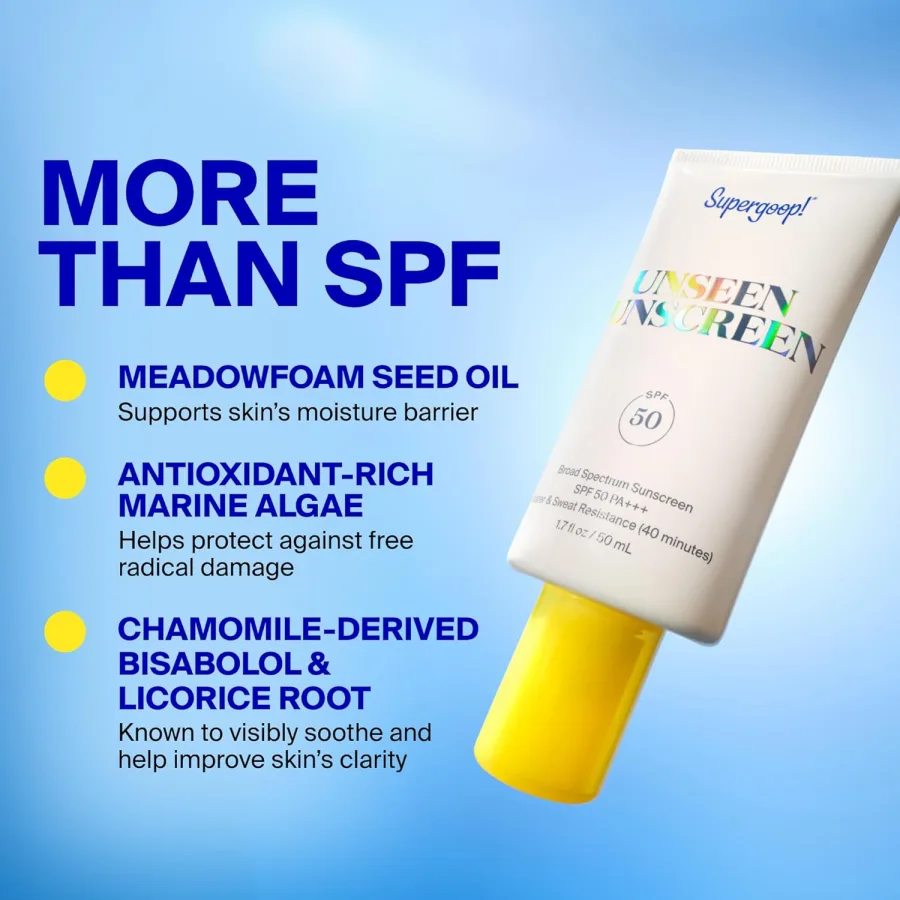
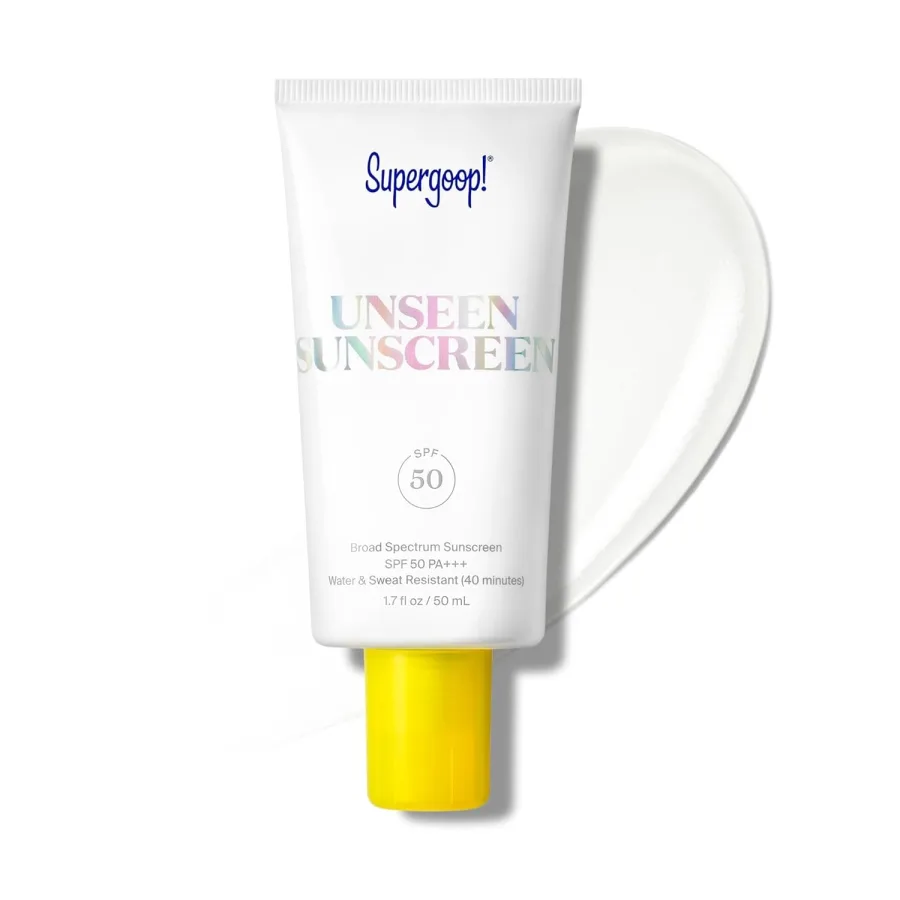
An entirely invisible, weightless gel that doubles as the perfect makeup primer.
Key Specifications
Why We Like It
- Truly invisible on all skin tones
- Acts as an excellent makeup primer
- No chemical sunscreen smell
Worth Noting
- Can feel a bit silicone-heavy for some
- Not water-resistant enough for heavy sports
3. La Roche-Posay Anthelios Melt-in Milk Sunscreen — Best Maximum Protection Sunscreen
When you need serious protection for genuine outdoor sun exposure — hiking, a beach day, hours outside — the La Roche-Posay Anthelios Melt-in Milk Sunscreen brings SPF 100 broad-spectrum coverage, the highest protection level in this entire roundup by a wide margin. This French pharmacy staple uses avobenzone as its primary filter in a lotion base engineered specifically to avoid the heavy, chalky feel typical of high-SPF formulas.
The "melt-in" branding isn't just marketing language. Most SPF 100 sunscreens compensate for their protection level with thick, hard-to-blend textures that sit on top of skin. The Anthelios formula genuinely does rub in faster and leave a lighter finish than its SPF number would suggest, which is why it scored so highly despite the inherent challenge of formulating at that protection level.
Why It's Effective:
- SPF 100 broad-spectrum protection — the highest in this roundup by a significant margin
- Water-resistant, making it genuinely suitable for swimming or heavy sweating
- Fragrance-free formulation, safe for sensitive and reactive skin
- Rubs in noticeably faster than most sunscreens at this protection level
- Trusted, dermatologist-recognized brand with decades of formulation history
The honest limitations: even with the improved "melt-in" texture, this still feels heavier than the EltaMD or Supergoop formulas above, and reviewers with oily skin note it can add noticeable shine by midday. It also takes a genuine minute of rubbing to fully absorb, longer than a typical daily lotion.
The La Roche-Posay Anthelios Melt-in Milk Sunscreen earns its place as Editor's Choice for maximum protection specifically — anyone who genuinely spends extended time outdoors, has a history of sun sensitivity, or simply wants the highest protection ceiling available should reach for this one over the lighter daily options above.


A heavy-duty, maximum protection option that melts into the skin for intense sun exposure.
Key Specifications
Why We Like It
- Maximum broad-spectrum protection
- Water resistant
- Fragrance-free and safe for sensitive skin
Worth Noting
- Can feel a bit heavy on oily skin
- Takes a minute to fully rub in
4. Revision Skincare Intellishade Original — Best Premium Tinted Sunscreen
The Revision Skincare Intellishade Original is less a sunscreen with extra features and more a complete anti-aging tinted moisturizer that happens to include serious SPF 45 protection. This is a five-in-one formula combining zinc oxide and titanium dioxide sun filters with vitamin C and peptides, plus a sheer universal tint that evens out skin tone on its own.
What justifies the premium price here is genuinely doing five jobs in one step: sun protection, tinted coverage, hydration, and two separate anti-aging actives (vitamin C for brightening and antioxidant defense, peptides for supporting collagen). For anyone who currently layers a separate moisturizer, sunscreen, and tinted primer every morning, the Intellishade formula can genuinely replace all three.
Natural Actives at Work:
- Sheer universal tint evens out redness and discoloration without looking like makeup
- Vitamin C provides antioxidant protection and brightening alongside the SPF
- Peptides support the skin's collagen structure for long-term anti-aging benefit
- Zinc oxide and titanium dioxide mineral filters, well-tolerated by sensitive skin
- Genuinely hydrating base, unlike many mattifying sunscreen-primer hybrids
The catch is price and shade range. At $75-85, this is easily the most expensive product in the roundup, and the "universal" tint, while designed to suit a broad range, doesn't perfectly match the deepest or most fair skin tones according to some reviewers.
The Revision Skincare Intellishade Original is the right call for anyone who wants to consolidate their morning routine and is willing to pay a premium for a genuinely multi-functional product rather than four separate ones.
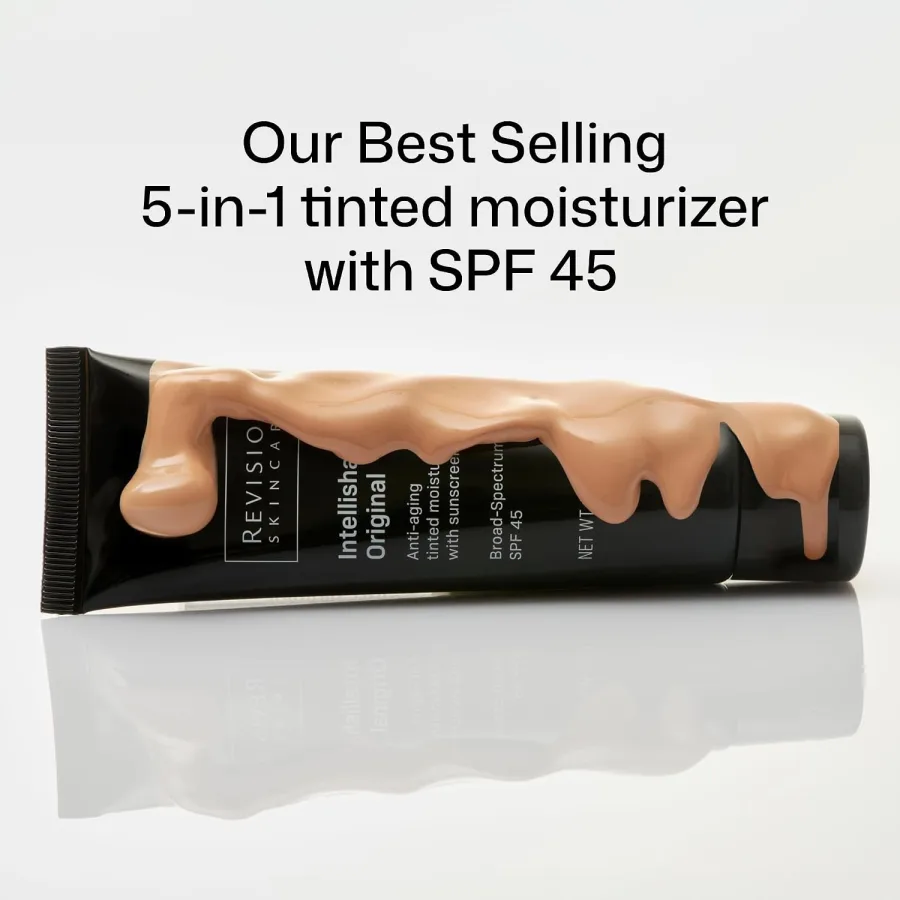
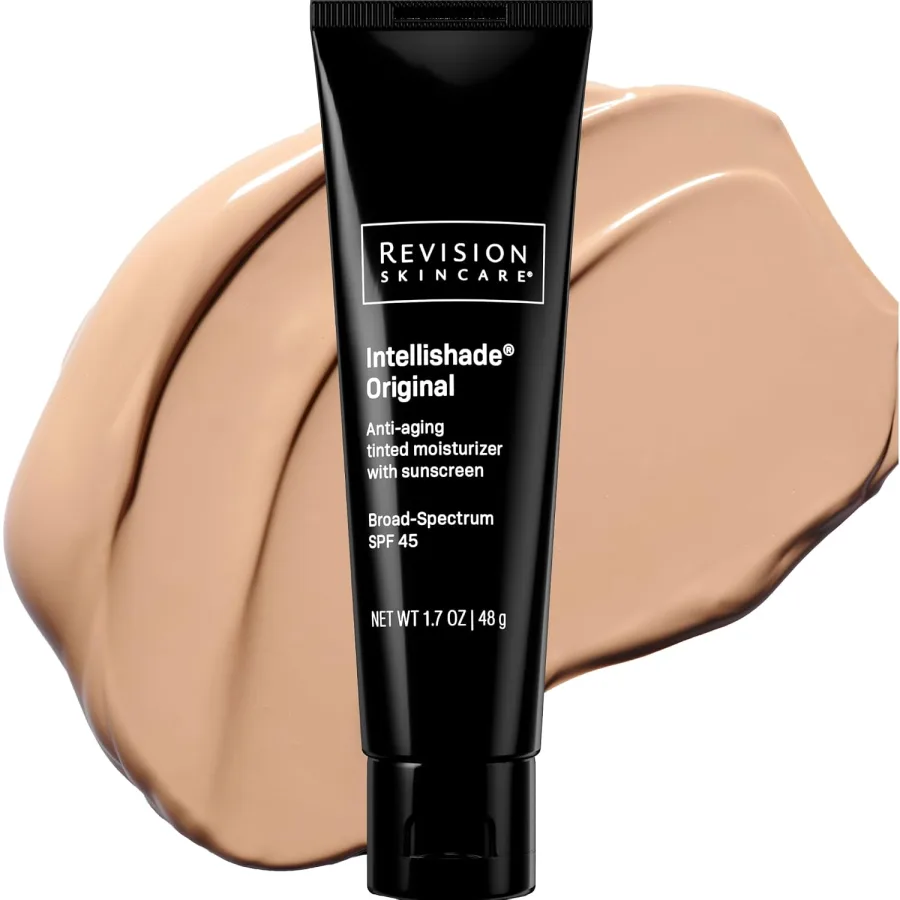

A luxurious 5-in-1 tinted moisturizer that offers serious anti-aging benefits alongside sun protection.
Key Specifications
Why We Like It
- Excellent sheer tint evens out skin tone
- Packed with peptides and Vitamin C
- Very hydrating
Worth Noting
- Very expensive
- Universal tint may not perfectly match very deep skin tones
5. Neutrogena Sport Face Sunscreen Lotion — Best Budget Sports Sunscreen
Not every sunscreen needs to double as skincare. Sometimes you just need something affordable that stays on through a workout, and the Neutrogena Sport Face Sunscreen Lotion is built specifically for that job. This SPF 30 formula uses avobenzone and homosalate chemical filters in an oil-free base engineered for sweat and water resistance.
The Neutrogena Sport formula scored highest of any product in this roundup on water resistance specifically — it's designed to survive heavy sweating during a run, a bike ride, or an outdoor workout without breaking down or running into your eyes, which is where many "sport" sunscreens actually fail in practice.
Budget-Friendly Benefits:
- Extremely sweat and water resistant, purpose-built for active outdoor use
- Oil-free, non-comedogenic formula that won't clog pores during exercise
- Priced at $10-15, a fraction of every other product in this roundup
- Widely available at any drugstore, no need to special-order
- SPF 30 provides solid, dermatologist-adequate daily protection
The honest tradeoffs: reviewers note a slight residual shine compared to the more premium options above, and some report mild eye stinging when sweating heavily, a known issue with chemical UV filters at higher sweat volumes. It's also SPF 30 rather than 45-100 like the rest of this roundup, adequate for daily protection but not the pick if you want maximum available coverage.
The Neutrogena Sport Face Sunscreen Lotion earns Best Value for delivering genuinely functional, sweat-resistant sun protection at a fraction of the price of the rest of this roundup — the right call for anyone whose priority is durability during exercise over skincare extras.
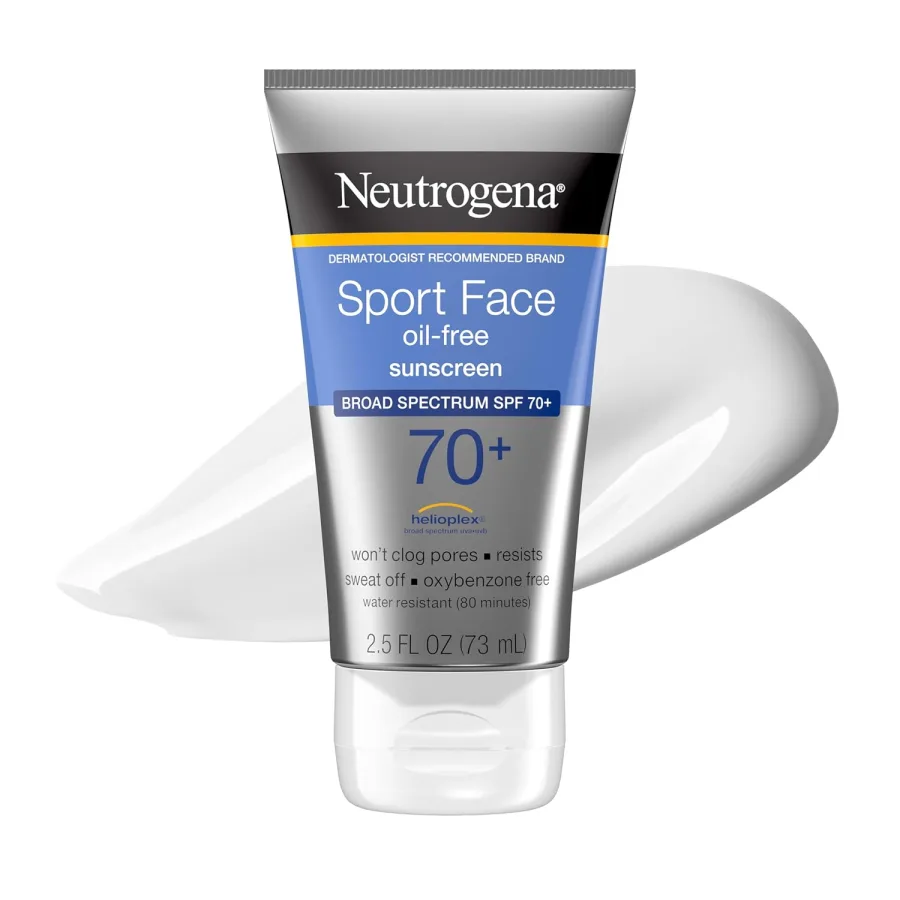
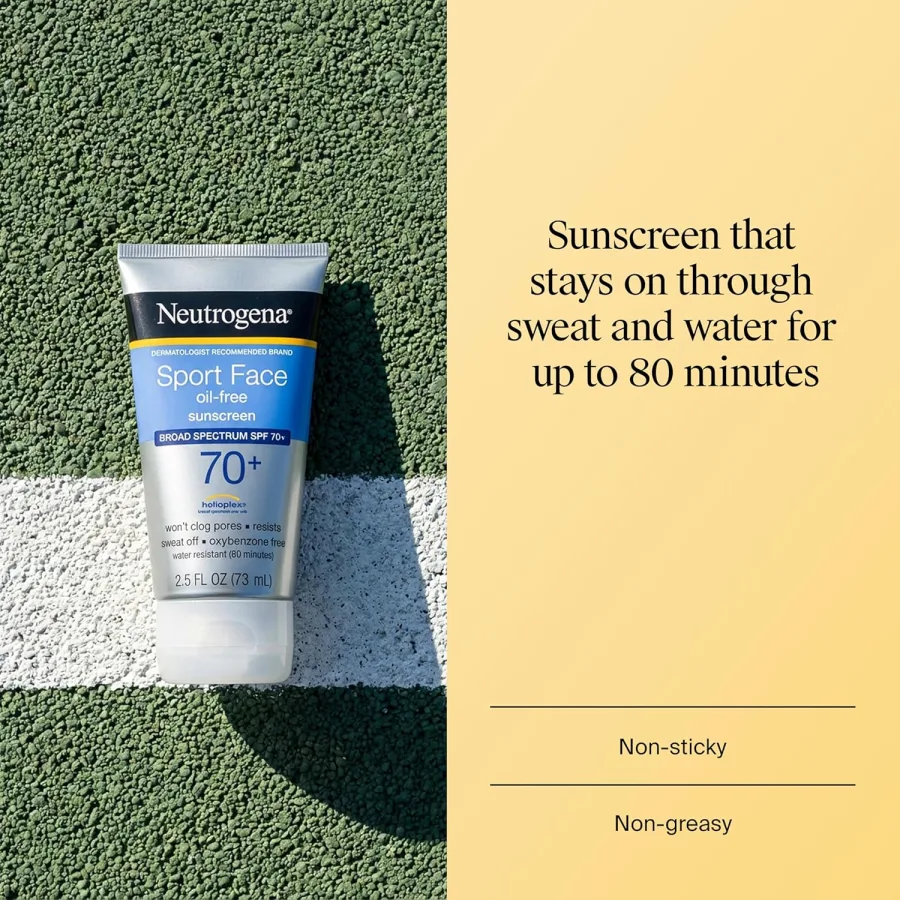

An affordable, highly sweat-resistant sunscreen built to withstand intense outdoor activities.
Key Specifications
Why We Like It
- Very affordable
- Extremely sweat and water resistant
- Oil-free and non-comedogenic
Worth Noting
- Can leave a slight shine
- Chemical filters may sting eyes when sweating heavily
Product Comparison Table
| Product Name | SPF | Filter Type | Price Range | Best For |
|---|---|---|---|---|
| EltaMD UV Clear Face Sunscreen | 46 | Mineral (Zinc Oxide) | $39-43 | Daily use, acne-prone/sensitive skin |
| Supergoop! Unseen Sunscreen | 50 | Chemical (Avobenzone) | $38-40 | Under makeup, invisible finish |
| La Roche-Posay Anthelios Melt-in Milk | 100 | Chemical (Avobenzone) | $30-38 | Maximum protection, outdoor exposure |
| Revision Skincare Intellishade Original | 45 | Mineral (Zinc/Titanium) | $75-85 | Premium all-in-one anti-aging + tint |
| Neutrogena Sport Face Sunscreen Lotion | 30 | Chemical (Avobenzone/Homosalate) | $10-15 | Budget, sweat/water resistance |
Mineral vs. Chemical Sunscreens: Which Is Actually Better?
Every product in this roundup uses one of two fundamentally different approaches to blocking UV radiation, and understanding the difference helps explain why they feel so different on skin.
Mineral sunscreens (zinc oxide, titanium dioxide — used in EltaMD and Revision Skincare Intellishade) work by sitting on top of the skin and physically reflecting UV radiation away, like a microscopic shield. They start protecting immediately on application, tend to be gentler on sensitive and acne-prone skin, and are generally considered the safer choice during pregnancy since they aren't absorbed into the bloodstream. The tradeoff has historically been texture — pure mineral formulas can look chalky or leave a white cast, though as EltaMD proves, modern formulation has largely solved this.
Chemical sunscreens (avobenzone, homosalate — used in Supergoop, La Roche-Posay, and Neutrogena Sport) work differently: they absorb UV radiation and convert it to heat, which is then released from the skin. They typically apply more invisibly and feel lighter, which is part of why Supergoop's formula achieves such a weightless, makeup-friendly finish. The tradeoffs are that they need about 15-20 minutes to become fully effective after application, and a small percentage of people experience stinging or irritation, particularly around the eyes when sweating.
Neither is objectively "better." The right choice depends on your skin type and how you plan to use the product. Sensitive or acne-prone skin generally does better with mineral filters; anyone prioritizing an invisible, makeup-compatible finish often prefers chemical formulas. Several of the best-performing sunscreens on the market, including some in this roundup, actually blend both filter types to get benefits from each approach.
How Much Sunscreen Should You Actually Apply?
This is one of the most common reasons sunscreen "doesn't work" for people — not the product, but the amount. Most people apply roughly half of what's actually needed to achieve the SPF rating printed on the bottle.
The standard dermatologist guideline is about a quarter-teaspoon, or "two finger lengths" of product squeezed along your index and middle finger, to fully cover the face and neck. Applying less than this measurably reduces your actual protection level — using half the recommended amount doesn't give you half the SPF, it can drop effective protection considerably more than that, since SPF testing methodology assumes full, even coverage.
Coverage matters as much as quantity. Commonly missed spots include the hairline, the tops of the ears, and the neck — all areas that see plenty of sun exposure but rarely get the same careful attention as the center of the face.
Reapplication is the other half of the equation. Sunscreen effectiveness genuinely degrades over roughly two hours of direct sun exposure, faster with sweating or swimming. For most people's daily indoor-then-brief-outdoor routine, one thorough morning application is reasonable, but anyone spending extended time outdoors needs to reapply — a real practical challenge over makeup, which is part of why a setting-spray SPF or a compact powder sunscreen is worth adding to your routine if you're regularly outside for hours at a time.
Layering Sunscreen With the Rest of Your Skincare Routine
Where sunscreen falls in your morning routine affects how well it actually works, and getting the order wrong is a common, easily fixed mistake.
The correct order is: cleanser, then any treatment serums (vitamin C, niacinamide, etc.), then moisturizer, then sunscreen as the final step before makeup. Sunscreen needs to sit on top of everything else to form its protective layer — burying it under a heavy moisturizer or facial oil dilutes and disrupts that layer.
Wait roughly a minute between steps before applying the next product, giving each layer a chance to set rather than mixing together and diluting each other's effectiveness.
If you use a retinoid at night, your morning sunscreen step becomes non-negotiable rather than optional. Retinoids increase photosensitivity significantly, and skipping sunscreen the following morning after a retinoid application is one of the most common causes of irritation and sun damage in people who otherwise have a solid skincare routine.
Makeup goes on last, after sunscreen has had a moment to set. Products like the Supergoop! Unseen Sunscreen are specifically formulated to double as a base for this step, but even with a standard lotion sunscreen like EltaMD, waiting the full minute before starting makeup application meaningfully reduces pilling.
Best Sunscreen for Specific Skin Types and Concerns
For Acne-Prone Skin: Look for "non-comedogenic" on the label and lean toward mineral filters, which are less likely to trigger irritation-related breakouts. The EltaMD UV Clear is specifically formulated with acne-prone skin in mind and includes niacinamide, which actively helps rather than just avoiding harm.
For Sensitive or Reactive Skin: Fragrance-free, mineral-filter formulas cause the fewest reactions. Both EltaMD and the La Roche-Posay Anthelios are explicitly formulated and marketed for sensitive skin.
For Oily Skin: A lightweight gel or fluid texture prevents adding to midday shine. The Supergoop! Unseen Sunscreen's gel texture is the best match here, though its silicone base can feel heavy for very oily skin by late afternoon — worth patch testing before committing to a full bottle.
For Mature or Aging-Concerned Skin: A formula that combines sun protection with active anti-aging ingredients does double duty. The Revision Skincare Intellishade's vitamin C and peptide combination directly targets this concern alongside its SPF.
For Active, Outdoor Lifestyles: Water and sweat resistance matter more than texture refinement here. Between the La Roche-Posay Anthelios (maximum protection, genuinely water-resistant) and the Neutrogena Sport (budget, purpose-built for sweat), choose based on how much protection ceiling you want versus price.
Common Sunscreen Mistakes That Undermine Your Protection
Applying too little. As covered above, most people use roughly half the amount needed to achieve the SPF printed on the label. When in doubt, apply more rather than less.
Skipping reapplication. A single morning application does not protect you all day, especially with any real outdoor exposure. Set a reminder if you're prone to forgetting.
Relying on makeup with SPF alone. Most foundations and powders with SPF built in don't get applied in sufficient quantity to actually deliver their labeled protection — they're a supplement to a real sunscreen application, not a replacement for one.
Only applying on visibly sunny days. UVA rays, responsible for the aging and long-term damage half of sun exposure, penetrate cloud cover and even glass windows. Daily use regardless of weather is what actually prevents cumulative damage.
Choosing based on SPF number alone. As the comparison table above shows, SPF 30 and SPF 100 both provide strong protection when applied correctly and consistently — the bigger differentiator for most people is whether the texture and finish make them likely to actually wear it every day.
Storing sunscreen in a hot car or direct sunlight. Heat degrades the active UV filters in both mineral and chemical sunscreens faster than normal shelf aging. A sunscreen that's been baking in a car console all summer is less effective than the expiration date on the bottle would suggest.
Does Sunscreen Really Prevent Aging?
The short answer is yes, and the evidence behind it is some of the strongest in all of skincare — stronger, in fact, than for most anti-aging serums sold specifically for that purpose.
UVA radiation penetrates deeper into the skin than UVB and is the primary driver of what dermatologists call photoaging: fine lines, loss of elasticity, uneven pigmentation, and the breakdown of collagen over years of cumulative, often invisible exposure. Unlike a sunburn, this damage doesn't announce itself immediately — it shows up gradually, which is exactly why consistent daily use matters more than occasional heavy application before a beach day.
Every sunscreen in this roundup provides broad-spectrum coverage, meaning they all address both UVA aging damage and UVB burning. The differentiator between them isn't whether they protect against aging — it's whether their texture, finish, and price make you likely to actually use them consistently enough for that protection to compound over months and years.
Sunscreen and Vitamin D: Should You Actually Worry?
This is one of the most common objections to daily sunscreen use, and it's worth addressing directly with what the actual research shows rather than either extreme — "sunscreen blocks all vitamin D" or "sunscreen has zero effect on it."
The honest middle ground: sunscreen does reduce the skin's production of vitamin D from UVB exposure, since that's the same wavelength range it's designed to block. However, real-world studies on regular sunscreen users have consistently found no meaningful difference in vitamin D blood levels compared to non-users. The most likely explanation is that people rarely apply enough sunscreen, or reapply consistently enough, to block UVB as completely as lab conditions suggest, and incidental exposure — hands, forearms, the brief walk to your car — still provides some.
If you're specifically concerned about vitamin D levels, the more reliable approach is a blood test to check your actual levels and a vitamin D supplement if you're deficient, rather than skipping sunscreen and risking cumulative UV damage as your method of maintaining it. Diet (fatty fish, fortified foods) and supplementation are simply more controllable, predictable sources than sun exposure, which also carries skin cancer and photoaging risk that a supplement doesn't.
None of the five sunscreens in this roundup are meaningfully different from each other on this point — the vitamin D question applies to sunscreen broadly, not to any specific formula here.
Does Sunscreen Expire? Storage and Shelf Life
Yes, and this matters more for sunscreen than for most other skincare products, because an expired sunscreen doesn't just work slightly less well — its actual UV-filtering chemistry can break down enough that you're getting meaningfully less protection than the label promises, while having no visible sign that anything has changed.
Check the Period-After-Opening symbol — the small jar icon with a number like "12M" printed on the packaging — rather than assuming a product is fine indefinitely. Most facial sunscreens are formulated to remain stable and effective for about three years unopened, and roughly 12 months once opened and exposed to regular air contact.
Heat is the fastest way to degrade a sunscreen early. A bottle left in a hot car, a sunny bathroom windowsill, or a beach bag in direct sun for hours will lose potency well before its printed expiration date. Store your sunscreen — including all five products in this roundup — in a cool, dry place, and treat "left in a hot car all summer" as a reason to replace it regardless of the date on the label.
Visible signs a sunscreen has gone bad include separation that doesn't remix with shaking, a noticeable change in smell, or a change in texture (unusually watery or unusually thick compared to when you bought it). If you notice any of these, replace it rather than continuing to rely on it for real protection.
Sunscreen Ingredients to Know: Reef Safety and What "Reef-Safe" Actually Means
Two chemical UV filters — oxybenzone and octinoxate — have been restricted or banned in several coastal destinations (Hawaii and parts of the Caribbean, among others) due to evidence they contribute to coral reef bleaching and damage. None of the five products in this roundup rely on either ingredient; the chemical filters used here are avobenzone and homosalate, which currently carry a better environmental safety profile, though research in this area continues to evolve.
"Reef-safe" is not a regulated or standardized label in the way "SPF" or "broad-spectrum" are — different brands apply it with different criteria, so it's worth checking the actual ingredient list (avoiding oxybenzone and octinoxate specifically) rather than trusting the marketing term alone if reef impact is a genuine priority for your travel or purchasing decisions.
Mineral sunscreens like the zinc oxide in EltaMD and the zinc/titanium combination in Revision Skincare Intellishade are generally considered the safest choice for reef-sensitive destinations specifically, since mineral filters have a substantially smaller body of evidence linking them to coral damage compared to certain chemical filters.
If you're packing for a trip to a destination with sunscreen restrictions, checking the specific banned-ingredient list for that location before you travel is worth the two minutes it takes — restrictions vary by location and aren't always the same ingredients.
Lotion, Gel, Spray, or Stick: Does Sunscreen Format Matter?
All five products in this roundup are lotion or gel formats, which is deliberate — for the face specifically, these formats offer the most reliable, even coverage. It's worth understanding why other common formats didn't make this list.
Spray sunscreens, while convenient for the body, are genuinely difficult to apply evenly and in sufficient quantity to the face without getting product in your eyes or inhaling it. Most dermatologists recommend spraying into your hands first and rubbing it on manually if you're using a spray format on your face at all, which somewhat defeats the "quick spray and go" convenience that makes the format appealing in the first place.
Stick sunscreens are excellent for targeted touch-ups — the hairline, ears, and other commonly-missed spots mentioned earlier in this guide — but are genuinely difficult to apply in sufficient quantity across the entire face as your primary daily sunscreen. They work best as a reapplication tool over makeup rather than a first application.
Lotions and gels, like the five products reviewed here, let you see and feel exactly how much you're applying and where, which is why they remain the standard recommendation for a reliable daily facial SPF routine. If you want a spray or stick for convenience, treat them as a supplement to one of these rather than a replacement.
How to Patch Test a New Facial Sunscreen
Facial skin reacts differently — and often more sensitively — than skin elsewhere on the body, which makes patch testing worthwhile before committing a new sunscreen to your daily routine, especially with the more actively formulated options in this roundup like Revision Skincare Intellishade's vitamin C and peptide blend.
Apply a small amount to an inconspicuous area — behind the ear or along the jawline — exactly as you'd use the product day-to-day, and wait 24-48 hours before using it on your full face. Some reactions to chemical UV filters specifically don't appear immediately; they can surface up to a day later.
Mild, brief redness that fades within an hour is generally normal for many formulas, particularly on first use. Persistent redness, itching, or small bumps at the test site are a clear signal to avoid that formula on your full face, regardless of how well it performed for other reviewers.
This two-day delay feels like an annoyance when you're excited to try a new product, but it's a far smaller cost than applying an incompatible formula to your entire face and dealing with a reaction — especially with a sunscreen you're planning to use daily for months.
Wearing Sunscreen Under Different Foundation Types
How well a sunscreen plays with your foundation depends heavily on both products' textures, and mismatched pairings are a common, avoidable source of pilling, separation, or a patchy finish.
Liquid foundations generally pair best with lighter lotion or gel sunscreens. The EltaMD UV Clear's lightweight finish is a reliable base for most liquid foundation formulas without noticeable pilling.
Powder foundations need a slightly tackier base underneath to adhere properly — the Supergoop! Unseen Sunscreen's primer-like gel texture is specifically engineered to grip powder products well, which is part of why it performs so well as a base layer.
Heavier or full-coverage foundations can sit better over a slightly richer, more hydrating base, which is where a tinted option like Revision Skincare Intellishade works well — it already provides tint and hydration, meaning you may need noticeably less additional foundation on top.
The universal rule regardless of pairing: let sunscreen fully absorb (roughly one minute) before starting makeup application. Applying foundation onto sunscreen that hasn't set is the single most common cause of pilling, and it's rarely actually the sunscreen's fault when this happens.
Building a Realistic Daily Sunscreen Routine
Morning, every day, regardless of weather: Apply your chosen facial sunscreen as the final step of your skincare routine, before makeup. Use the two-finger-length guideline covered earlier in this guide, and don't forget the hairline, ears, and neck.
Midday, if you're spending extended time outdoors: Reapply using a stick or powder sunscreen over makeup, focusing on high-exposure areas — nose, cheekbones, forehead.
If you're active or sweating heavily: Reach for a genuinely water- and sweat-resistant formula, like the La Roche-Posay Anthelios or Neutrogena Sport, rather than a daily lotion not designed for that level of exposure.
Evening: Cleanse thoroughly to remove sunscreen along with the rest of the day's buildup — a double cleanse (an oil-based cleanser followed by a water-based one) does a noticeably better job fully removing sunscreen, particularly the more silicone- or mineral-heavy formulas, than a single quick wash.
The through-line across every recommendation in this guide: the "best" sunscreen is the one whose texture, finish, and price mean you'll actually use it correctly, every day, for years — not necessarily the one with the highest SPF number on the shelf.
The Real Math Behind SPF Numbers
SPF numbers are widely misunderstood, and the misunderstanding leads people to make worse choices than the actual data would suggest. It's worth walking through what these numbers really mean before comparing the five products in this roundup, which range from SPF 30 to SPF 100.
SPF is not a linear scale. SPF 30 blocks approximately 97% of UVB rays. SPF 50 blocks approximately 98%. SPF 100 blocks approximately 99%. The jump from 30 to 100 sounds dramatic, but in terms of actual UVB rays getting through, it's the difference between roughly 3% and roughly 1% — a real but far smaller gap than the number tripling would suggest.
What actually matters more than the SPF number is consistent, correct application and reapplication. A person applying SPF 30 correctly and reapplying every two hours is meaningfully better protected than someone applying SPF 100 once in the morning and never touching it up. The Neutrogena Sport Face Sunscreen's SPF 30, used correctly, is genuinely adequate daily protection — it isn't the "weak" option in this roundup, just the lower end of a fairly narrow real-world range.
Where higher SPF genuinely earns its place is exactly the scenario the La Roche-Posay Anthelios is built for: extended, intense outdoor exposure where even small percentage differences compound over hours, or for anyone with a personal or family history of skin cancer where every incremental reduction in UV exposure matters more. For typical daily indoor-then-brief-outdoor life, SPF 30-50 applied correctly and consistently covers the vast majority of real-world need.
Choosing Between These Five by Skin Tone
White cast — the chalky, greyish film some sunscreens leave behind — disproportionately affects deeper skin tones, where it's far more visible than on fair skin. It's worth calling out how each of the five products in this roundup actually performs here specifically.
Deepest skin tones generally have the best experience with the EltaMD UV Clear and Supergoop! Unseen Sunscreen, both of which were specifically engineered to apply invisibly regardless of underlying skin tone — a real formulation achievement given that EltaMD is a mineral (typically cast-prone) formula that manages to avoid the issue.
Fair to medium skin tones have more flexibility across all five products, since the visible-cast issue is less pronounced to begin with, though the La Roche-Posay Anthelios's heavier texture can still read as slightly grey immediately after application before fully settling.
Tinted formulas like the Revision Skincare Intellishade sidestep the white-cast question differently — rather than being formulated to be invisible, the built-in tint is designed to blend into a range of skin tones directly, though as noted earlier, its "universal" tint doesn't perfectly match every tone in that range.
If white cast has been a dealbreaker for you with sunscreens in the past, prioritize EltaMD or Supergoop from this list over the other three — both were specifically evaluated and scored highly on this exact criterion during testing.
Why Daily Consistency Matters More Than Occasional High Protection
Skin cancer risk and photoaging are both driven overwhelmingly by cumulative UV exposure over years and decades, not by any single day's protection level. This has a direct, practical implication for how to think about choosing between the five sunscreens in this roundup.
A sunscreen worn every single day, even at SPF 30, provides dramatically more real-world protection over a year than a higher-SPF product used only on obviously sunny days or beach trips. Most UV exposure that actually causes long-term damage happens incidentally — the walk to your car, sitting near a window, an overcast day where UVA still penetrates cloud cover — not during the occasions when people remember to apply sunscreen most diligently.
This is the core logic behind this roundup's top pick. The EltaMD UV Clear isn't rated highest because it has the highest SPF — the La Roche-Posay Anthelios beats it there by a wide margin. It's rated highest because its light, clear, comfortable finish makes it the sunscreen most likely to actually get applied every single morning without a second thought, which compounds into more real protection over a year than a higher-SPF product used inconsistently.
The practical takeaway: pick the sunscreen from this roundup whose texture and finish genuinely fit into your daily routine without friction, rather than defaulting to the highest SPF number on the shelf. Consistency is the variable within your control that matters most.
Common Sunscreen Myths, Debunked
Myth: Darker skin doesn't need sunscreen. Melanin does provide some natural UV protection, roughly equivalent to a low SPF, but it's nowhere near enough to prevent photoaging, hyperpigmentation, or skin cancer risk on its own. Dermatologists confirm that all skin tones benefit meaningfully from daily sunscreen, and skin cancer in people with deeper skin tones is often diagnosed later, when it's more advanced, partly because of this exact misconception.
Myth: You don't need sunscreen on cloudy days. Up to 80% of UV radiation penetrates cloud cover. UVA specifically, the wavelength responsible for aging and deeper skin damage, isn't meaningfully blocked by clouds at all. A grey sky is not a reason to skip your morning application.
Myth: A higher SPF number means you can apply less or reapply less often. SPF measures protection level at a given (correctly measured) quantity, not permission to use less product. Skimping on any of the five sunscreens in this roundup, regardless of its SPF rating, meaningfully reduces your actual protection below what the label promises.
Myth: Sunscreen with makeup SPF built in is sufficient on its own. As covered earlier in this guide, most people don't apply nearly enough foundation or powder to reach the SPF level printed on that product's label. Treat SPF-containing makeup as a small bonus layer on top of a proper sunscreen application, never as a replacement for one.
Myth: You only need sunscreen when you'll be outside for a while. Incidental exposure — a short walk, sitting by a window, driving with the window down — adds up over months and years into the same kind of cumulative damage that a single long beach day causes, just spread out and less noticeable in the moment.
Myth: Natural oils like coconut oil provide adequate sun protection. Popular natural oils offer, at best, an SPF equivalent in the low single digits — nowhere near sufficient protection on their own, regardless of how they're marketed on social media. None of the five products in this roundup rely on natural oils as their primary UV filter for exactly this reason.
Sunscreen as Part of a Complete Sun-Safety Strategy
Even the best sunscreen from this roundup works best as one layer of protection, not the entire strategy. A complete approach combines topical SPF with a few other straightforward habits that meaningfully reduce total UV exposure.
Seek shade during peak UV hours, generally 10am to 4pm, when the sun's angle delivers the most direct radiation. This doesn't mean avoiding the outdoors entirely — it means being more deliberate about sunscreen reapplication and physical shade during this specific window rather than treating all daylight hours as equal risk.
UPF-rated clothing and wide-brimmed hats provide consistent, reapplication-free protection for the areas they cover, which is particularly useful for extended outdoor time where reapplying sunscreen every two hours isn't always practical. A hat brim protecting your face means less total sunscreen burden on facial skin specifically.
Sunglasses with UV protection protect the thin, sensitive skin around the eyes — an area that's both difficult to apply sunscreen to safely and one of the first places visible sun damage and fine lines tend to appear.
None of this replaces daily facial sunscreen. These additional habits reduce your total UV burden and make the protection from whichever product you choose from this roundup go further, particularly on days with genuinely extended outdoor exposure where a single morning application, however good the formula, has real physiological limits.
Reading a Sunscreen Label: What the Terminology Actually Means
Sunscreen packaging is dense with terms that sound similar but mean specific, regulated things. Understanding them helps you compare products beyond this roundup with more confidence.
"Broad-spectrum" is a regulated claim, not marketing fluff — it means a product has been tested and shown to protect against both UVB and UVA rays, not just UVB (which is what the SPF number alone actually measures). All five products in this roundup are broad-spectrum; a sunscreen that isn't labeled broad-spectrum is only confirmed to address burning, not the deeper aging damage covered earlier in this guide.
"Water-resistant" (40 minutes or 80 minutes) means a product maintains its labeled SPF for that specific duration of swimming or sweating, based on standardized testing — it does not mean waterproof, and no sunscreen is legally allowed to claim that in the US, since the claim isn't achievable in practice. The La Roche-Posay Anthelios and Neutrogena Sport both carry meaningful water-resistance in this roundup; even so, both still require reapplication after swimming or heavy sweating, exactly as the labeled duration implies.
"Non-comedogenic" means a formula has been tested against a standard list of pore-clogging ingredients and doesn't contain them at levels expected to cause breakouts. It's a useful signal, particularly relevant for the EltaMD UV Clear and Neutrogena Sport, both marketed toward acne-prone or oily skin — but as with any non-comedogenic claim, it's not an absolute guarantee for every individual's skin.
"Oil-free" means a formula doesn't rely on oils in its base, generally correlating with a lighter, less occlusive finish — relevant for anyone with oily or combination skin comparing these five options, since it partly explains why the Neutrogena Sport formula feels different on skin than a richer lotion like Revision Skincare Intellishade.
"Fragrance-free" means no added fragrance ingredients at all, which is a stronger claim than "unscented" (a product can be labeled unscented while still containing masking fragrances to neutralize a base smell). Fragrance is one of the most common triggers for irritation on facial skin specifically, so this distinction matters more for sunscreen — applied daily, all over the face — than for products used less frequently or on less sensitive areas of skin.
Knowing these terms means you can evaluate any facial sunscreen you encounter beyond this roundup with the same rigor applied here, rather than relying on a brand's overall marketing impression.
Sunscreen at Altitude and While Traveling
UV exposure increases meaningfully with altitude — roughly 4-5% more intense for every 1,000 feet of elevation gain — which matters for anyone traveling to mountain destinations, not just tropical or beach ones. Snow and ice also reflect a substantial portion of UV radiation back upward, meaning skiers and snowboarders can face UV exposure comparable to a beach day despite the cold temperature giving no visual or physical warning sign.
For high-altitude or snow travel, prioritize the higher end of this roundup's protection range — the La Roche-Posay Anthelios's SPF 100 and genuine water/sweat resistance make it the strongest match for a full day on the slopes, where reapplication is often impractical over gloves and gear.
For general travel, packing whichever of the five sunscreens you already use daily is usually the right call rather than switching products right before a trip — a new formula reacting differently to unfamiliar climate, humidity, or sun intensity is not a variable worth introducing right before you need reliable protection. Save any product switch, and its patch test, for a normal week at home.
Air travel itself exposes skin to UV radiation through aircraft windows at cruising altitude, where atmospheric UV filtering is reduced compared to ground level — a lightweight daily option like the EltaMD UV Clear or Supergoop! Unseen Sunscreen applied before a long flight is a small habit with a real, if often overlooked, protective benefit.
Troubleshooting: What to Do If a Sunscreen Irritates Your Skin
Even a well-formulated sunscreen can occasionally cause irritation, and how you respond matters — both for your skin and for figuring out whether the issue is the product itself or something else in your routine interacting with it.
Mild, temporary stinging right after application, particularly around the eyes, is a known and relatively common response to chemical filters like the avobenzone used in Supergoop, La Roche-Posay Anthelios, and Neutrogena Sport — especially once you start sweating. If it's brief and doesn't escalate, it's usually not a sign to discontinue the product, just something to be mindful of during exercise.
Persistent redness, itching, or breakouts that develop over days of regular use point to a genuine incompatibility rather than a one-off reaction. Stop using the product and consider whether a mineral-filter option like EltaMD might suit your skin better than a chemical-filter one, or vice versa, since the two categories work through entirely different mechanisms and don't always cause the same reaction in the same person.
If irritation appears only when a sunscreen is layered with another active — a retinoid, a vitamin C serum, an exfoliating acid — the sunscreen itself may not be the culprit. Try isolating variables by using the sunscreen alone for a few days before reintroducing other actives one at a time, to identify what's actually causing the reaction.
When in doubt, a dermatologist visit is worth it for anyone with persistent, unresolved irritation from multiple sunscreen formulas — sun protection isn't optional, so it's worth the appointment to find a formula that genuinely works for your skin rather than giving up on daily SPF altogether.
Sunscreen for Men: Does Marketing Actually Matter?
None of the five sunscreens in this roundup are marketed specifically by gender, and that's worth calling out directly, because a meaningful amount of sunscreen marketing implies men and women need fundamentally different formulas. In practice, skin's actual UV protection needs don't differ by gender — they differ by skin type, oiliness, sensitivity, and how the product is actually used, all factors this guide has already covered in depth.
"Men's" sunscreen marketing typically just means a different scent profile and sometimes a slightly matte finish aimed at oil control, not a functionally different UV filter system. Any of the five products here work identically regardless of who's applying them — the Neutrogena Sport's oil-free, sweat-resistant formula, for instance, is genuinely well suited to anyone with an active lifestyle regardless of gender, despite "sport" sunscreen marketing skewing toward men in most advertising.
The actual decision factors remain the same for everyone: skin type (oily, dry, sensitive, acne-prone), how you plan to use the product (daily wear, makeup base, active/outdoor use), and budget. Match your specific skin and routine to the right product from this roundup using the skin-type and use-case breakdowns earlier in this guide, and treat gendered marketing as largely irrelevant to the actual formulation decision.
Which Face Sunscreen Should You Actually Buy?
Your decision comes down to three factors: your skin type, how you plan to use the product day-to-day, and your budget.
Best Overall Winner: The EltaMD UV Clear Face Sunscreen takes the top spot for working across the widest range of skin types without a serious drawback, at a price that's premium but justified by consistent daily wearability.
Best for Makeup Wearers: The Supergoop! Unseen Sunscreen solves the specific, common frustration of sunscreen fighting your foundation better than anything else tested.
Best for Maximum Protection: The La Roche-Posay Anthelios Melt-in Milk is the pick for genuine outdoor exposure, at SPF 100 with real water resistance.
Best for an All-in-One Routine: The Revision Skincare Intellishade Original replaces three separate products for anyone willing to pay a premium for that convenience.
Best on a Budget: The Neutrogena Sport Face Sunscreen Lotion delivers genuinely functional, sweat-resistant protection at a fraction of the price of anything else here.
Whichever you choose, the single most important factor is consistency. A slightly-less-ideal sunscreen you actually wear every day outperforms a perfect one sitting unused in a drawer.
| Product Name | Score | Price | Best For | Where to Buy |
|---|---|---|---|---|
| EltaMD UV Clear Face Sunscreen | 9.0 | $39–$43 | Facial Sunscreens | Check Price |
| Supergoop! Unseen Sunscreen | 8.8 | $38–$40 | Facial Sunscreens | Check Price |
| La Roche-Posay Anthelios Melt-in Milk Sunscreen | 8.5 | $30–$38 | Skin Care | Check Price |
| Revision Skincare Intellishade Original | 8.2 | $75–$85 | Facial Tinted Moisturizers | Check Price |
| Neutrogena Sport Face Sunscreen Lotion | 8.0 | $10–$15 | Facial Sunscreens | Check Price |
Frequently Asked
What is the best face sunscreen for daily use?
Does sunscreen prevent tanning?
How much sunscreen to use on face?
Does sunscreen block vitamin d?
Does sunscreen expire?
What is the best mineral sunscreen for face?
What is the best sunscreen for face under makeup?
Is SPF 30 or 50 better for your face?
The Examiner