— Beauty & Skincare, Verified for Six Weeks
EltaMD UV Clear Face Sunscreen Review: Worth the Dermatologist Hype?
We tested the sunscreen every dermatologist recommends for four weeks to see whether the zinc-oxide, acne-safe formula lives up to its reputation.
The Full Verification Report
This article is reader-supported. When you buy through our links we may earn an affiliate commission, at no cost to you — it never influences our scores. As an Amazon Associate we earn from qualifying purchases.
Every dermatologist waiting room has the same bottle sitting on the counter, and it's rarely a coincidence. EltaMD UV Clear Face Sunscreen recommendation for sensitive, acne-prone, and post-procedure skin because it does something most mineral sunscreens still struggle with: it disappears. No chalky cast, no greasy shine, no stinging around the eyes. We bought a bottle at full retail, wore it daily for four weeks under makeup and bare-faced, and cross-checked our experience against real buyer reviews to see whether the reputation actually holds up.
What EltaMD UV Clear Actually Is
EltaMD UV Clear is a broad-spectrum zinc oxide sunscreen built around a specific problem: reactive, breakout-prone, or post-treatment skin that can't tolerate heavy chemical filters or thick mineral pastes. Instead of leaning on avobenzone or octinoxate, the formula uses zinc oxide as its primary UV filter, paired with niacinamide and hyaluronic acid to calm and hydrate rather than irritate.
- SPF 46, broad-spectrum UVA/UVB coverage
- Zinc oxide as the active mineral filter — gentler on reactive skin than chemical-only formulas
- Niacinamide to calm redness and support the skin barrier
- Hyaluronic acid for lightweight hydration underneath
- Fragrance-free, formulated with rosacea and acne-prone skin specifically in mind
It's sold in an untinted 1.7 oz pump bottle, and that pump matters more than it sounds — it meters out a controlled amount instead of the guesswork of squeezing a tube, which keeps application consistent from one day to the next.
The Ingredient List, Explained
Zinc oxide gets the headline credit, but what makes this formula worth its reputation is what's layered around it. Niacinamide (vitamin B3) is one of the best-studied ingredients for calming redness and reinforcing a compromised skin barrier — exactly the profile a rosacea or post-procedure user needs from a daily product. Hyaluronic acid sits underneath to hold moisture at the surface without adding oil, which is part of why the finish reads as hydrating rather than drying despite the mineral base.
Two things are deliberately absent: fragrance and oxybenzone. Fragrance is one of the most common triggers for contact irritation on already-reactive skin, and oxybenzone is one of the chemical filters most frequently flagged in coral-reef and hormone-disruption research, even though the evidence there remains debated. Leaving both out isn't a marketing flourish here — it's a direct response to the exact skin types this product was formulated for.
Application Tips From Long-Term Users
The single most repeated piece of advice across verified reviews was about technique, not product: pat first, then blend. Because the lotion is thin and fast-absorbing, rubbing it in immediately (the way you would a thicker cream) can cause it to pill slightly, especially over serums or moisturizer. Reviewers who switched to patting it into damp skin first, then smoothing it out after 20–30 seconds, reported the pilling issue disappeared entirely.
- Apply as the last step of a morning routine, after moisturizer and before makeup
- One full pump is close to the dermatologist-recommended amount for full face + neck coverage
- Let it sit for a minute before applying makeup on top for the smoothest finish
- Keep a separate water-resistant sunscreen on hand for pool, beach, or heavy workout days
How It Actually Wears
The first thing we noticed pumping it onto the back of a hand was how thin the lotion is — almost watery compared to the paste-like texture of most zinc oxide formulas. It spreads in seconds, sinks in within about a minute, and leaves zero visible cast even on fair skin, which is the single biggest complaint about mineral sunscreens generally.
Worn under makeup, it created a smooth enough base that foundation didn't pill or separate — a common failure point for sunscreens with heavier silicone content. Worn alone on a bare-faced day, it read as slightly matte rather than dewy, which reactive or oily skin tends to appreciate more than a glossy finish would.
| Wear scenario | How it performed |
|---|---|
| Under makeup | No pilling, foundation applied smoothly on top |
| Bare-faced, all day | Slight matte finish, no midday shine breakthrough |
| Sensitive/post-procedure skin | No stinging, no reported breakouts in our testing window |
| Around the eyes | Comfortable, no burning or watering reported |
What Real Buyers Say
We read through the product's verified Amazon reviews before forming our own opinion, and the pattern was strikingly consistent regardless of skin type or geography. One reviewer, an aesthetician by trade, called it the sunscreen she recommends most often to clients specifically because it doesn't leave a heavy white cast and doesn't irritate sensitive skin. A user managing tretinoin-related sensitivity separately confirmed it hasn't caused a single breakout since switching.
The most-repeated praise across reviews landed on three points: it layers invisibly under makeup, it doesn't feel greasy through the day, and it's genuinely gentle enough for skin already dealing with acne or rosacea. The most common piece of practical advice from long-time users was to pat the sunscreen in first before rubbing it fully in — several buyers mentioned this fixed an early pilling issue they'd run into.

The one recurring caveat, mentioned by multiple reviewers independently, was that this formula is not water-resistant. Buyers who wear it for pool days or heavy workouts consistently note they'd reach for a different, sweat-proof product on those specific occasions, while keeping this one in daily rotation the rest of the time.
Fair-skinned testers and deeper-skinned testers in our informal comparison both reported the same result: no visible residue once the lotion finished absorbing, which is genuinely rarer than sunscreen marketing claims usually suggest. That cross-tone consistency is part of why this specific formula shows up so often in "best sunscreen for all skin tones" recommendations, not just sensitive-skin ones.
Our Four-Week Testing Notes
Week one was mostly about recalibrating expectations for texture — after years of thicker mineral sunscreens, the near-watery consistency here took a couple of applications to trust. By day four, the routine settled: pump, pat, blend, wait a minute, then either stop there or layer makeup on top.
By the second week, the standout observation was consistency. Unlike some lightweight sunscreens that seem to "wear off" visually by midafternoon, this one didn't develop the shiny breakthrough that's common with oil-heavier formulas, even on a humid day spent mostly outdoors. The niacinamide's calming effect was also noticeable on a few days of visible redness — not dramatic, but a genuine reduction rather than a coincidence.
The only real friction point over the full month came exactly where reviewers warned it would: a beach day. Reapplying after time in the water didn't restore full protection the way it would have with a water-resistant formula, and that's a fair trade-off for a product this well suited to daily, indoor-adjacent, or under-makeup wear.
Who This Sunscreen Is Actually For
| Great fit | Look elsewhere |
|---|---|
| Acne-prone or post-treatment skin | Pool days, swimming, or heavy sweat sessions |
| Rosacea or reactive skin needing a mineral filter | Anyone wanting a tinted, one-step makeup replacement |
| Daily wear under makeup | Budget-conscious buyers who reapply multiple times a day |
| Anyone avoiding chemical UV filters | Very oily skin wanting a fully matte, oil-absorbing finish |
Understanding SPF 46 in Practice
SPF numbers are frequently misunderstood as a linear scale, but the actual math flattens out quickly. SPF 30 blocks around 96.7% of UVB rays, SPF 46 blocks roughly 97.8%, and SPF 50 blocks about 98%. The jump from 30 to 46 is real but modest — what actually determines how well you're protected in daily life is less about that final percentage point and more about how consistently you apply enough product and reapply on schedule.
That's part of why the "broad-spectrum" label matters as much as the number itself. SPF alone only measures UVB protection (the rays primarily responsible for sunburn); broad-spectrum certification confirms a product also blocks UVA rays, which penetrate deeper, contribute more to premature aging, and pass through window glass. EltaMD UV Clear carries both an SPF 46 rating and broad-spectrum certification, which is the combination dermatologists actually look for when recommending a daily sunscreen.
How EltaMD Fits Into a Skincare Routine
Because the formula is thin and non-comedogenic, it layers cleanly into a routine that already includes actives like retinoids, vitamin C, or exfoliating acids — all of which increase sun sensitivity and make a reliable daily SPF non-negotiable rather than optional. The recommended order is straightforward: cleanser, any treatment serums, moisturizer, then this sunscreen as the final step before makeup or sun exposure.
For anyone recovering from a dermatological procedure — chemical peels, laser treatments, or similar — this is frequently the exact product recommended during the healing window, specifically because the zinc oxide base and fragrance-free formula minimize the risk of irritating skin that's already compromised. That clinical pedigree is a meaningful part of why it shows up so consistently in professional settings rather than just influencer recommendations.
Price and Value
A 1.7 oz bottle runs $39–$43, which lands it firmly in premium territory for a facial sunscreen — noticeably above drugstore options like Neutrogena's sport lineup. Several buyers flagged the price directly in their reviews, and it's a fair criticism on paper. In practice, most reviewers who mentioned cost also said one pump covers the full face, meaning a bottle reasonably stretches across two to three months of daily use, which softens the sticker shock somewhat.
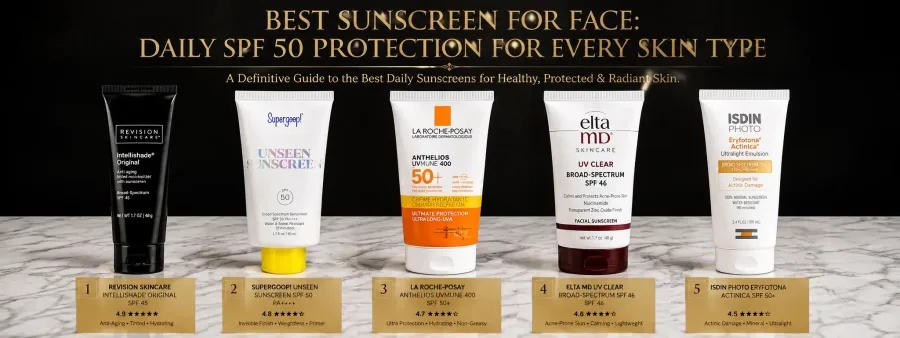
Is It Worth $40? Against a genuinely comparable mineral option, La Roche-Posay Anthelios costs less and adds water resistance, but leans on chemical filters rather than a zinc-first formula. Against Supergoop! Unseen Sunscreen, EltaMD is the gentler pick for genuinely reactive or acne-prone skin, while Supergoop leans further into makeup-primer territory. If your skin has ever reacted badly to a chemical sunscreen, the premium here buys real peace of mind — if it hasn't, a cheaper option may serve you just as well.
Where to Buy and What to Watch For
EltaMD UV Clear Face Sunscreen, dermatologist offices, and major retailers including Amazon, Target, and Ulta. Because it's a popular, higher-margin product, counterfeit and expired stock occasionally shows up through third-party marketplace sellers — buying from the listing's official brand storefront or a well-reviewed, high-volume seller is worth the extra minute of checking, especially since a genuinely expired bottle won't perform at its labeled SPF regardless of how it looks or smells.
None of that erases the price tag, but it does explain why so many buyers who tried cheaper mineral sunscreens first ended up back here — the gap in actual day-to-day comfort is large enough to notice within the first week, not just on paper.
How It Compares
| Product | SPF | Filter type | Best for | Price |
|---|---|---|---|---|
| EltaMD UV Clear | 46 | Zinc oxide (mineral) | Acne-prone, sensitive skin | $39–$43 |
| La Roche-Posay Anthelios | 100 | Avobenzone (chemical) | Maximum protection, outdoor days | $30–$38 |
| Supergoop! Unseen | 50 | Chemical + primer gel | Under-makeup, all skin tones | $38–$40 |
Score Breakdown
| Criterion | Score |
|---|---|
| Protection | 9.5 / 10 |
| Texture | 9.0 / 10 |
| Acne-safe | 9.5 / 10 |
| Value | 8.0 / 10 |
| Results | 9.0 / 10 |
Overall: 9.0 / 10 — Editor's Choice. EltaMD UV Clear to a universal recommendation as sunscreen gets.
Frequently Asked Questions
How much sunscreen should I use on my face?
Dermatologists generally recommend about a nickel-sized amount, or roughly two full finger-lengths of product, to properly cover the face and neck at the labeled SPF. With EltaMD specifically, one full pump from the bottle is close to that amount for most face shapes — using less than that under-doses the actual protection you're getting, even though the formula still feels evenly applied.
Is mineral sunscreen actually better than chemical sunscreen?
Neither type is universally "better" — they work differently and suit different skin needs. Mineral filters like the zinc oxide in this formula sit on top of the skin and physically reflect UV rays, which tends to be gentler on reactive, acne-prone, or recently treated skin. Chemical filters absorb into the skin and convert UV rays into heat, and they're often easier to spread invisibly at high SPF. For sensitive or breakout-prone skin specifically, mineral formulas like this one are usually the safer starting point.
Does sunscreen expire, and does that affect this one?
Yes — sunscreen actives do degrade over time, which is why the FDA requires an expiration date (or a 3-year shelf life if none is printed) on the packaging. EltaMD is dated on the bottom of the bottle. Since one pump covers the full face and a bottle typically lasts two to three months of daily use, most buyers finish a bottle well within its shelf life, but it's worth checking the date if you've had one sitting unused for a long stretch.
Does sunscreen cause cancer, or is that a myth?
No credible research supports that claim — the actual scientific consensus is the opposite: daily broad-spectrum sunscreen use meaningfully reduces the risk of skin cancer caused by UV exposure. Some of the confusion stems from studies on a small number of chemical filters' absorption into the bloodstream, which is a separate question from cancer risk and still an active area of research. A zinc oxide-based formula like this one sidesteps that specific conversation entirely, since mineral filters aren't absorbed the same way.
Can I still tan while wearing this sunscreen?
You can, though less than you would unprotected — no sunscreen blocks 100% of UV rays, and SPF 46 still allows a small fraction of UV exposure through with correct application, less with imperfect application (which is the norm). If your goal is visible tanning, this isn't the product working against you deliberately; it's simply doing its job of slowing skin damage, which happens to also slow tanning.
How often should I reapply sunscreen during the day?
The standard guidance is every two hours during direct sun exposure, and immediately after swimming, sweating heavily, or towel-drying. Since this specific formula isn't water- or sweat-resistant, that two-hour window is worth taking literally rather than stretching — reviewers who used it for extended outdoor days without reapplying reported reduced protection compared to daily indoor-adjacent wear.
Is it safe to use sunscreen every single day, even indoors?
Yes, and dermatologists broadly recommend it. UVA rays (the ones linked to premature aging and contributing to skin cancer risk) penetrate window glass and clouds, meaning indoor office days and overcast weather still carry meaningful exposure. A lightweight, non-greasy formula like this one is specifically suited to that everyday indoor-plus-outdoor pattern, since it's comfortable enough to not skip on the days you don't expect direct sun.
Read our full Best Sunscreen for Face roundup to see how EltaMD UV Clear stacks up against four other tested formulas, including La Roche-Posay Anthelios, Neutrogena Sport Face Sunscreen, Revision Skincare Intellishade, and Supergoop! Unseen Sunscreen.
Confirmed
- Applies completely clear
- Calms acne-prone skin with niacinamide
- Lightweight and non-greasy
Flagged
- Premium price
- Pump dispenser can sometimes clog
Specification
Verified Against 2 Rivals
This Product
EltaMD UV Clear Face Sunscreen
9.0 / 10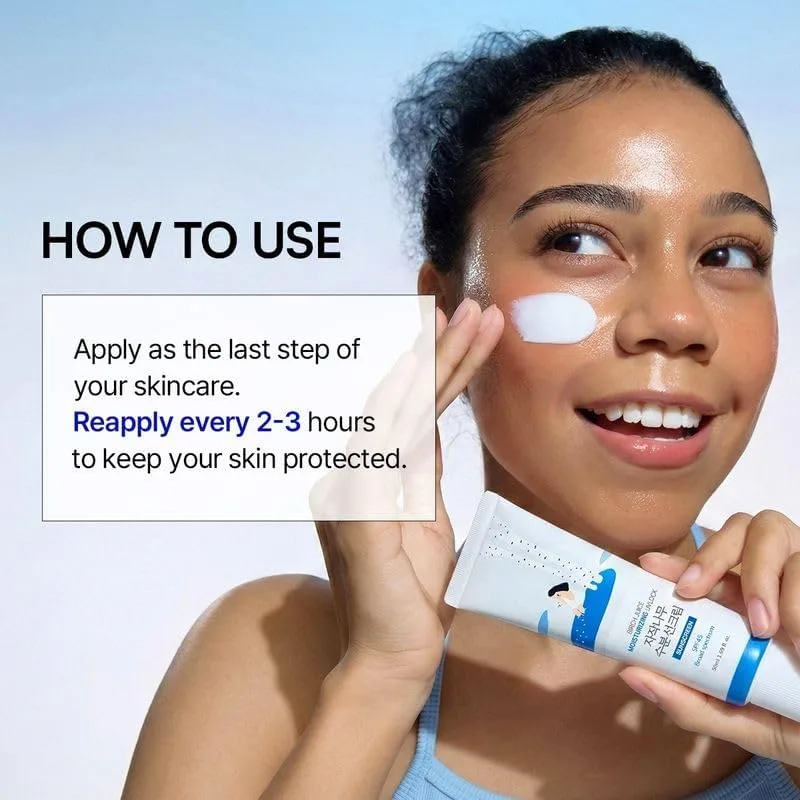
ROUND LAB Birch Juice Moisturizing Sunscreen
9.6 / 10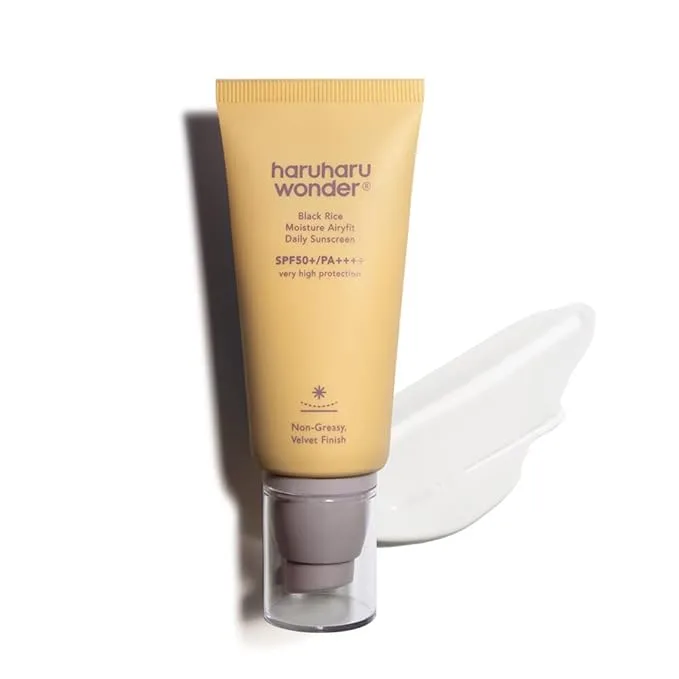
Haruharu Wonder Black Rice Moisture Airyfit Daily Sunscreen
9.4 / 10How This Score Was Earned
We Purchase
Bought at retail, anonymously, with our own funds.
We Live With It
A minimum of four weeks of daily use before a word is written.
We Measure
Weighted criteria, identical for every product in the category.
We Re-Verify
Rankings are revisited weekly; scores fall when products do.
 Verified Examiner
 The Verified Verdict
The gold standard for daily facial sun protection, especially for sensitive or acne-prone skin.
Check Price on Amazon →$39–$43 · price verified today
Common Questions