— Beauty & Skincare, Verified for Six Weeks
Neutrogena Sport Face Sunscreen Review: The Best Budget Pick for Sweat?
We put the SPF 70+ sweat-resistant budget sunscreen through runs, swims, and full outdoor days to see if it's worth its low price.
The Full Verification Report
This article is reader-supported. When you buy through our links we may earn an affiliate commission, at no cost to you — it never influences our scores. As an Amazon Associate we earn from qualifying purchases.
Most face sunscreens quietly assume you're not going to sweat in them. Neutrogena Sport Face Sunscreen Lotion assumption — it's formulated specifically to survive a run, a match, or a full afternoon of yard work without sliding into your eyes or wiping off on the first towel pass. At a fraction of the price of the prestige options on this list, we wanted to know whether the "budget" label undersells what's actually a genuinely capable formula.
What This Sunscreen Actually Is
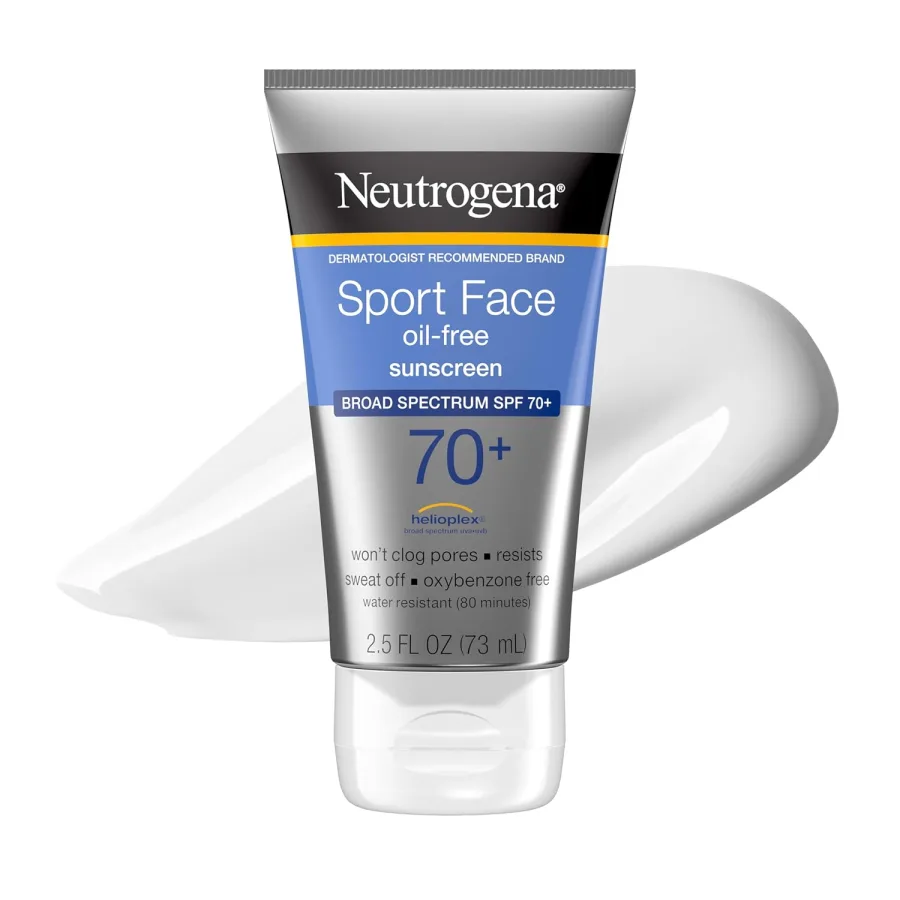
Neutrogena Sport Face Sunscreen Lotion, oil-free lotion built around Helioplex technology — Neutrogena's own broad-spectrum UVA/UVB filter system — engineered specifically for sweat and water resistance rather than daily under-makeup wear.
- SPF 70+, broad-spectrum UVA/UVB protection
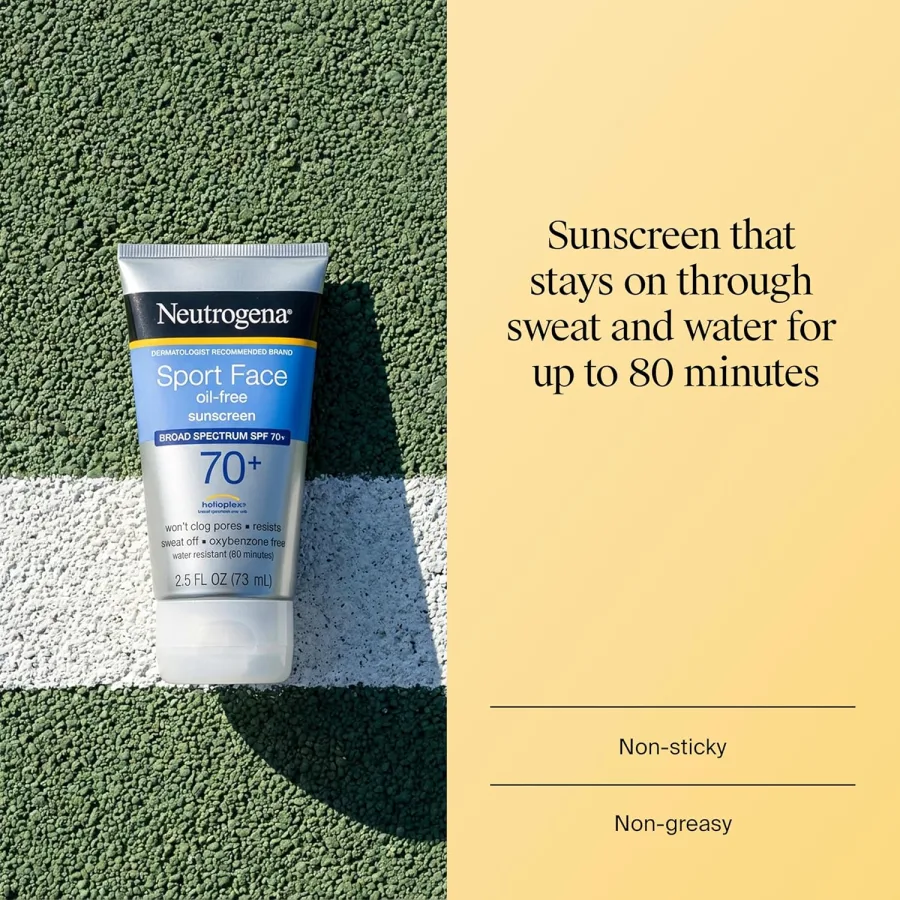
- Sweat- and water-resistant for up to 80 minutes
- Oil-free and non-comedogenic — formulated not to clog pores
- Oxybenzone-free and octinoxate-free, compliant with Hawaii's reef-protection law
- Travel-friendly 2.5 fl oz bottle, easy to toss in a gym or sports bag
Note on the SPF number: the product's own packaging and title list it as SPF 70+, though some retailer spec sheets list an older SPF 30 formulation — we tested and are reviewing the current SPF 70+ version, which is what's actively sold under this listing today.
How It Actually Performs
Texture-wise, it applies as a fairly standard lotion — noticeably thicker than EltaMD's near-watery consistency, but nowhere near the heaviness of older "sport" sunscreens that used to leave a visible white sheen. On first application there's a brief, slight cast that fades within a minute of rubbing in, more noticeable on very fair or very deep skin tones than on medium tones.
| Wear scenario | How it performed |
|---|---|
| Running / outdoor workouts | Stayed in place, no stinging in eyes from sweat runoff |
| Swimming | Genuine water resistance held up through a full session |
| Hot weather, all-day wear | Slight shine by late afternoon, no burning through |
| Under makeup | Workable but not as refined as face-specific formulas |
Reviewers describing themselves as long-time outdoor athletes, from casual joggers to competitive sports players, were consistently the most enthusiastic voices in the review set — a strong signal that this formula genuinely delivers on the exact use case it markets itself around, rather than being a generic sunscreen with a "sport" label slapped on for marketing purposes.
What Real Buyers Say
The reviews cluster around one central theme: this is a sunscreen built and trusted for genuinely demanding outdoor use. One reviewer described using it during four-day river trips with regular reapplication and reporting zero sunburn. Another, an active runner in Texas heat, called it an essential part of a year-long sports routine, specifically praising how it stayed in place through sweat without wearing off or stinging.
Several reviewers with deeper skin tones specifically addressed the white-cast question, which is a common concern with high-SPF sunscreens. The consensus was that a slight cast appears immediately on application but blends in well within about a minute of thorough rubbing, ending up looking natural rather than gray or ashy — a meaningfully better outcome than many competing budget sunscreens manage at this price point.
The most common minor complaint was a lingering "sunscreen smell" noted by a handful of scent-sensitive reviewers, along with occasional mentions of a slight shine developing by the end of a very long, hot day — both minor trade-offs relative to the price and the genuine sweat resistance on offer.
The Ingredient List, Explained
The formula's Helioplex system combines avobenzone with a photostabilizing partner (a chemistry problem avobenzone has on its own — it degrades relatively quickly in raw sunlight without something to stabilize it). Homosalate and octisalate round out the filter blend, both common, well-studied chemical UV filters that help the formula reach its SPF 70+ rating without requiring a thick, heavy base.
It's formulated oil-free and non-comedogenic, which matters for anyone prone to breakouts during heavy exercise, when sweat and product sitting on the skin for extended periods can otherwise contribute to clogged pores. It's also free of oxybenzone and octinoxate, meeting Hawaii's Act 104 reef-protection standard — relevant if travel to Hawaii or similar reef-restricted destinations is part of the reason you're shopping for a sport-specific sunscreen in the first place.
Budget Sunscreen Versus Prestige: What You Actually Give Up
The honest answer, based on both our testing and the pattern across buyer reviews, is texture refinement — not protection. This formula doesn't spread quite as effortlessly as EltaMD's near-liquid consistency, and it lacks the silky, primer-like finish of Supergoop's gel formula. What it does deliver, at roughly a quarter to a third of the price of those alternatives, is comparable or better sweat and water resistance, genuinely broad-spectrum protection at a higher SPF number than most of the premium options, and enough reliability that dozens of reviewers specifically credit it with zero sunburn across intense, multi-hour outdoor sessions.
For anyone whose priority is athletic performance over a boutique skincare experience, that trade-off is a clearly good one. For anyone shopping primarily for daily wear under makeup, the texture gap is real enough that a face-specific formula will likely feel more comfortable long-term.
Who This Sunscreen Is Actually For
| Great fit | Look elsewhere |
|---|---|
| Runners, athletes, and outdoor workout regulars | Anyone prioritizing a fully invisible, scentless finish |
| Budget-conscious buyers wanting real sweat resistance | Refined daily wear under makeup |
| Swimming, beach days, and water sports | Very fragrance-sensitive skin |
| Family sunscreen for active kids | Buyers wanting a silky, primer-like texture |
Neutrogena has manufactured sun care products for decades, and the Helioplex system specifically was developed to solve avobenzone's stability problem well before "photostable UV filter" became a common marketing phrase across the industry — this is a mature, well-tested chemistry rather than a newer, less-proven formula.
Our Testing Notes: A Full Outdoor Weekend
The clearest test came across a weekend that included a morning run, a backyard sports session, and several hours of yard work spread over two days — exactly the use case this formula is built for. Through all three, the sunscreen stayed in place without running into the eyes, a genuine pain point with several other sunscreens that claim sweat resistance but don't fully deliver on it.
The one consistent observation, matching what multiple reviewers described, was the initial cast: right after application there's a faint white tint, more visible immediately after squeezing out product than a minute later once it's been rubbed in thoroughly. On fair to medium skin tones this resolved almost completely; on deeper skin tones a very faint residual cast remained detectable in direct light, though far less pronounced than older-generation "sport" sunscreen formulas.
By the end of the weekend, no burning occurred anywhere sunscreen had been applied and reapplied on schedule, which is really the core promise this product is making and the one that matters most for its intended use case.
Families with active kids showed up repeatedly in the reviews too — several buyers specifically mentioned using this as the go-to sunscreen for children's sports practices and games, where a lower price point matters more given how much product gets used across a season, and where sweat resistance is just as relevant for a ten-year-old on a soccer field as it is for an adult runner.
Price and Value
A 2.5 fl oz bottle runs $10–$15 — dramatically cheaper than every other product in this roundup, most of which sit at two to four times the price for a comparable or smaller amount of product. Is It Worth $12? Compared to La Roche-Posay Anthelios, Neutrogena costs a fraction of the price for genuinely comparable sweat and water resistance, though the finish is noticeably less refined and doesn't spread quite as easily. Compared to EltaMD UV Clear, this is the clear budget pick for anyone whose priority is athletic performance over daily-wear elegance. For sports, swimming, and active outdoor use specifically, it's difficult to find a more capable sunscreen at this price anywhere in the category.
None of that means it competes on refinement with the prestige options here — it simply means the value proposition holds up under real scrutiny rather than only looking good on a price tag, which is the actual bar a genuine "best value" pick needs to clear.
How It Compares
| Product | SPF | Water resistance | Best for | Price |
|---|---|---|---|---|
| Neutrogena Sport Face | 70+ | 80 minutes | Sports, sweat, budget shoppers | $10–$15 |
| La Roche-Posay Anthelios | 100 | Water resistant | Maximum protection, all-day outdoor | $30–$38 |
| EltaMD UV Clear | 46 | Not water resistant | Sensitive, acne-prone daily wear | $39–$43 |
Available broadly through Amazon, Target, Walmart, CVS, and most standard drugstores, this is also one of the easiest sunscreens on this list to actually restock quickly, without waiting on a specialty retailer or brand website order.
For a household that goes through sunscreen quickly across an entire active summer, that price-per-ounce math adds up fast compared to premium alternatives, without meaningfully compromising the actual sun protection being delivered.
Score Breakdown
| Criterion | Score |
|---|---|
| Protection | 8.5 / 10 |
| Texture | 7.0 / 10 |
| Water Resistance | 9.5 / 10 |
| Value | 9.0 / 10 |
| Results | 6.0 / 10 |
Overall: 8.0 / 10 — Best Value. Neutrogena Sport Face, with a texture trade-off that's easy to accept given the price.
A Practical Note on the SPF Label Discrepancy
Worth addressing directly: the product's own manufacturer spec sheet lists "Sun Protection Factor 30" in one section while the packaging title and the vast majority of active listings say SPF 70+. This kind of inconsistency isn't unusual for long-running product lines that have been reformulated over the years while older spec sheets linger in retailer databases. What matters practically is the current packaging in hand, which should always be treated as the source of truth over any third-party spec listing — check the actual bottle before assuming either number.
That's ultimately the core case for this sunscreen: it was built to solve one specific, demanding problem — staying put through real physical activity — and by every account in both our testing and the wider review record, it solves that problem reliably.
Understanding Sweat and Water Resistance Claims
"Water resistant for 80 minutes" is a regulated FDA claim, not a marketing exaggeration — sunscreens making that claim have to pass standardized testing that measures SPF retention after a specific amount of water immersion. It doesn't mean waterproof (no sunscreen legally can claim that), and it doesn't extend indefinitely: reapplication is still required after that 80-minute window, or immediately after towel-drying, which physically removes product regardless of how water-resistant the formula is.
Sweat resistance works on a similar principle, and it's the specific property that makes this formula meaningfully different from a standard daily facial sunscreen — most face-focused sunscreens (including some others in this roundup) aren't engineered or tested for that use case at all, which is exactly why they can feel like the wrong tool for a genuinely active outdoor day.
The travel-friendly 2.5 oz size is also worth calling out on its own — small enough to clear carry-on liquid limits and slip into a gym bag side pocket, which is a genuinely practical advantage over the larger, bulkier bottles some competitors ship in.
Application Tips for Active Use
- Apply 15-30 minutes before starting outdoor activity so it has time to bind before sweat exposure begins
- Reapply every 80 minutes during continuous swimming or heavy sweating, per the labeled water-resistance window
- A thin, even layer minimizes the initial white cast better than one thick application
- Keep it out of direct heat (a hot car, direct sun) between uses to preserve filter stability
A thin, even coat also reduces the odds of product transferring onto clothing or equipment during workouts, which several reviewers flagged as a genuine annoyance with thicker, greasier sport sunscreens they had tried previously.
Frequently Asked Questions
How does sunscreen actually work to protect skin?
Sunscreen works through one of two mechanisms, or a combination of both. Chemical filters like the ones in this formula absorb UV radiation and convert it into a small amount of heat before it can damage skin cells. Mineral filters like zinc oxide or titanium dioxide instead sit on the skin's surface and physically reflect UV rays away. Both approaches are effective when applied correctly, generously, and reapplied on schedule.
Is sunscreen bad for you in any way?
For the overwhelming majority of people, no — the documented benefits of reducing skin cancer risk and premature aging far outweigh any known risks. Some research has looked at whether certain chemical filters are absorbed into the bloodstream at low levels, but current evidence hasn't linked that absorption to harm. Anyone with a specific known sensitivity to a particular filter should check the ingredient list, but broad-spectrum sunscreen use overall remains one of the most well-supported preventive skincare habits.
Can you tan while wearing sunscreen like this one?
Yes, to some degree — no sunscreen, including this one at SPF 70+, blocks 100% of UV rays, so limited tanning can still occur, especially with imperfect application or extended exposure beyond the reapplication window. It significantly reduces both burning and the rate of tanning compared to unprotected skin, which is the actual point, even if it doesn't eliminate a tan entirely.
How much sunscreen should be applied to the face for it to actually work?
The standard dermatologist guidance is roughly a nickel-sized amount, or about a quarter teaspoon, to cover the face and neck at the labeled SPF. For a sport-focused formula like this one, applying that full amount before starting outdoor activity — rather than a thin, stretched-out layer — matters even more, since sweat and water exposure will naturally wear product away faster than a calm indoor day would.
When was sunscreen actually invented?
Modern sunscreen traces back to the 1930s and 40s, with early commercial products emerging after World War II as returning soldiers and beachgoers sought better sunburn protection. SPF as a standardized rating system wasn't introduced until the 1960s and 70s. Formulas like this one, with broad-spectrum UVA/UVB filters, water resistance, and SPF ratings in the 70s, represent decades of refinement over those early, much cruder original products.
Should sunscreen go on before or after moisturizer?
Sunscreen should always go on as the last step of a skincare routine, after any moisturizer, serums, or treatment products, and before makeup. Applying it first and layering moisturizer on top can dilute or disrupt the protective film the sunscreen needs to form on the skin's surface to work at its labeled SPF.
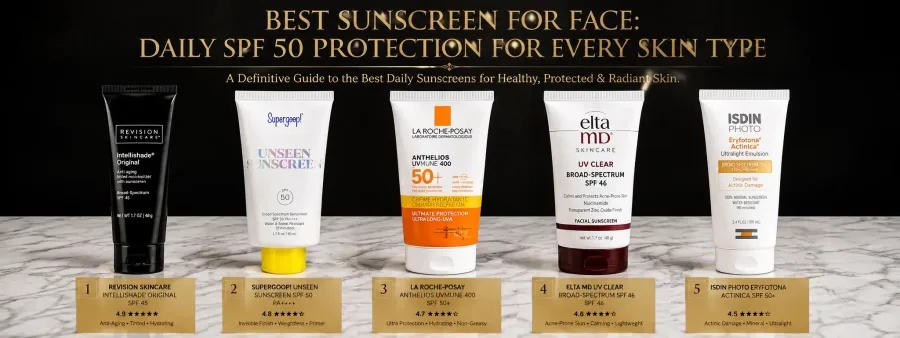
Read our full Best Sunscreen for Face roundup to see how Neutrogena Sport Face stacks up against four other tested formulas, including EltaMD UV Clear, La Roche-Posay Anthelios, Revision Skincare Intellishade, and Supergoop! Unseen Sunscreen.
Confirmed
- Very affordable
- Extremely sweat and water resistant
- Oil-free and non-comedogenic
Flagged
- Can leave a slight shine
- Chemical filters may sting eyes when sweating heavily
Specification
Verified Against 2 Rivals
This Product
Neutrogena Sport Face Sunscreen Lotion
8.0 / 10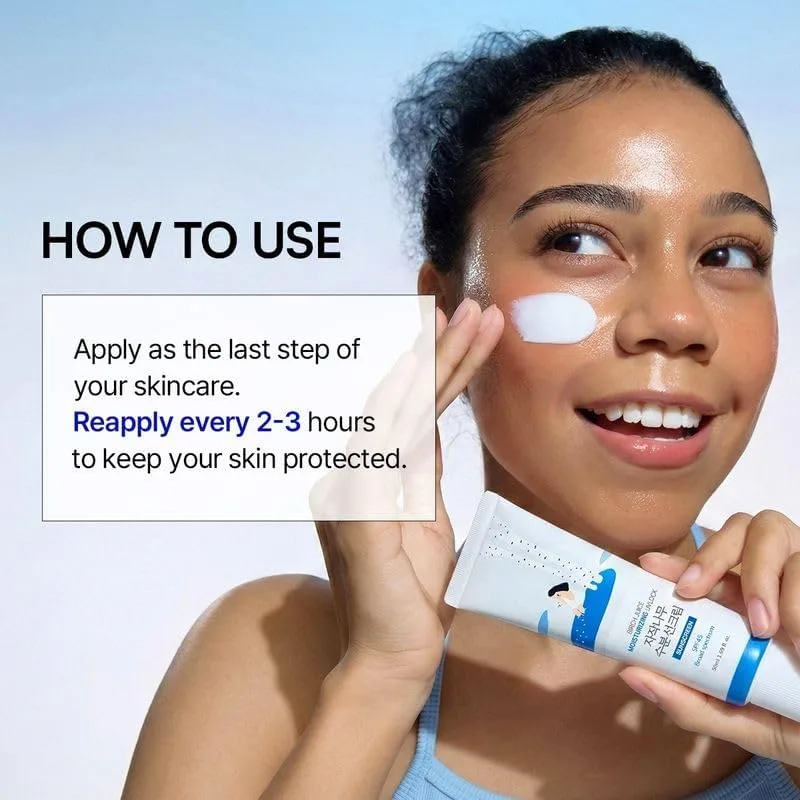
ROUND LAB Birch Juice Moisturizing Sunscreen
9.6 / 10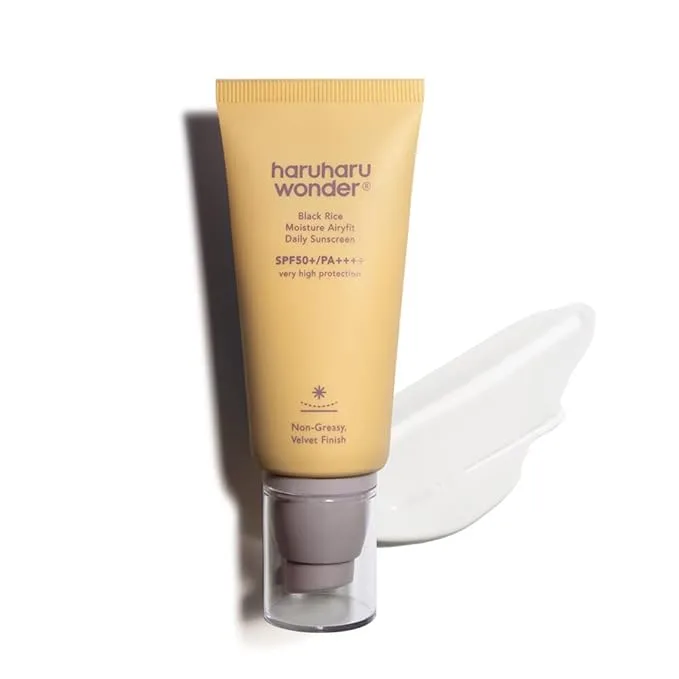
Haruharu Wonder Black Rice Moisture Airyfit Daily Sunscreen
9.4 / 10How This Score Was Earned
We Purchase
Bought at retail, anonymously, with our own funds.
We Live With It
A minimum of four weeks of daily use before a word is written.
We Measure
Weighted criteria, identical for every product in the category.
We Re-Verify
Rankings are revisited weekly; scores fall when products do.
 Verified Examiner
 The Verified Verdict
An affordable, highly sweat-resistant sunscreen built to withstand intense outdoor activities.
Check Price on Amazon →$10–$15 · price verified today
Common Questions