— Beauty & Skincare, Verified for Six Weeks
Supergoop! Unseen Sunscreen Review: Is It Really Invisible?
We wore the viral clear, makeup-primer sunscreen daily for four weeks to see whether the "Unseen" name is an accurate claim or clever marketing.
The Full Verification Report
This article is reader-supported. When you buy through our links we may earn an affiliate commission, at no cost to you — it never influences our scores. As an Amazon Associate we earn from qualifying purchases.
"Unseen" is a bold name for a sunscreen to carry, given how many products in this category promise invisibility and fail to deliver it. Supergoop! Unseen Sunscreen on solving that exact problem, and this specific formula has become one of the most talked-about makeup-primer-slash-sunscreen hybrids on the market. We wore it daily for four weeks, alone and under makeup, to see whether "unseen" is an accurate claim or just confident marketing.
The scentless formulation is also worth calling out on its own — many chemical sunscreens carry a distinct, somewhat medicinal smell that fades but never fully disappears through the day, and its absence here is one of the more consistently mentioned small details across positive reviews, even among buyers who didn't originally shop for that specific feature.
What Makes This Sunscreen Different
Unlike a traditional lotion, Unseen Sunscreen is a clear, weightless gel — closer in feel to a makeup primer than a conventional sunscreen. That's a deliberate design choice: it's formulated to double as a base layer for makeup rather than competing with it.
- SPF 50, broad-spectrum UVA/UVB protection
- Completely clear — no tint, no cast, on any skin tone
- Oil-free and non-acnegenic, clinically tested to improve skin clarity
- Doubles as a makeup primer — clinically tested for improved all-day makeup wear
- Scentless, avoiding the "sunscreen smell" common to many chemical formulas
It's sold in a compact 1.7 fl oz tube, and it's the one product in this roundup explicitly marketed and priced as a hybrid skincare-makeup product rather than a pure sunscreen — which shows up clearly in both its texture and its price point.
How It Actually Wears
The gel-to-primer texture is genuinely distinctive within this category. On first application it feels slightly tacky, almost like a light gel moisturizer, then sets into a smooth, matte-leaning primer finish within about a minute. True to the name, it disappears completely on skin — no white cast, no visible residue, no color shift, regardless of skin tone.
| Wear scenario | How it performed |
|---|---|
| Bare-faced, all day | Matte finish, no shine breakthrough for most skin types |
| Under makeup | Genuinely improved makeup longevity and grip |
| Around the eyes | No stinging reported, safe to apply close to the eye area |
| Combination/oily skin | Excellent — the standout use case for this formula |
The near-universal praise for how it performs across different skin tones is worth taking seriously as a data point specifically, since sunscreen invisibility claims have historically been tested and marketed primarily around fair skin, leaving buyers with deeper skin tones to discover through trial and error whether a given "clear" formula actually holds up on their own skin.
What Real Buyers Say
The single most repeated phrase across reviews was some version of "feels like a primer." Buyers across a wide range of skin tones specifically praised the invisibility claim as accurate rather than exaggerated marketing — one reviewer explicitly called out that it works well on brown skin with a genuinely invisible texture, addressing a common failure point for sunscreens marketed as clear.

The most useful piece of buyer feedback for first-time users was a texture expectation-setter: because the product is clear, it can be genuinely hard to judge how much you've applied and where, since there's no visual reference the way a tinted or white-cast sunscreen provides. Reviewers who initially under-applied for that reason learned to use a consistent, deliberate amount rather than eyeballing coverage. The most common critical note was cost — several buyers flagged it as expensive for the amount of product in the tube, though most also said the primer-replacement value offset that concern.
Supergoop! Unseen Sunscreen around this specific problem — making sunscreen something people genuinely want to wear rather than tolerate — and this product is widely considered the clearest expression of that mission across the brand's full lineup, which now spans dozens of SPF products in different textures and formats.
Our Testing Notes: Four Weeks Under Makeup
Week one was mostly about learning the right amount to apply — too little and the primer effect barely registered, too much and it took slightly longer to set before makeup could go on top cleanly. By day four, a consistent nickel-sized dollop, applied and given a full 60 seconds before foundation, became the routine.
The makeup-longevity claim held up better than expected. On days it was worn under a full face of makeup, foundation noticeably resisted breaking down around the T-zone by midafternoon compared to bare-primer days — a genuinely measurable difference rather than a marketing placebo effect. On bare-faced days, the matte finish stayed consistent through several hours of normal activity without needing blotting.
The clear texture did take real adjustment. Unlike every other sunscreen in this roundup, there's no visual feedback on coverage at all — no white cast fading in, no tint settling — which made the first week feel slightly uncertain until a consistent application habit was built. Once that habit was in place, it stopped being a concern entirely.
Comparing Gel Sunscreens to Traditional Lotions
Gel-based sunscreens like this one behave differently from lotions in a few practical ways worth understanding before buying. They tend to absorb faster and feel lighter, which is why this format works so well under makeup specifically. The trade-off is generally less hydration than a cream or lotion base provides, which is why very dry skin types in the reviews we read reported needing a separate moisturizer underneath for comfortable all-day wear, where lotion-based options in this roundup could sometimes skip that extra step.
For combination or oily skin, that lighter, less-hydrating base is precisely the advantage — it's part of why this specific formula scored so highly for exactly that skin type across both our testing and the wider review record.
Who This Sunscreen Is Actually For
| Great fit | Look elsewhere |
|---|---|
| Combination to oily skin wanting a matte finish | Very dry skin wanting a hydrating, dewy sunscreen |
| Anyone wearing makeup daily who wants a 2-in-1 primer | Budget-conscious buyers |
| All skin tones wanting a genuinely invisible finish | Heavy sweat or swimming-focused use |
| Sensitive skin avoiding fragrance | Buyers who prefer a visual cue for how much they've applied |
Price and Value
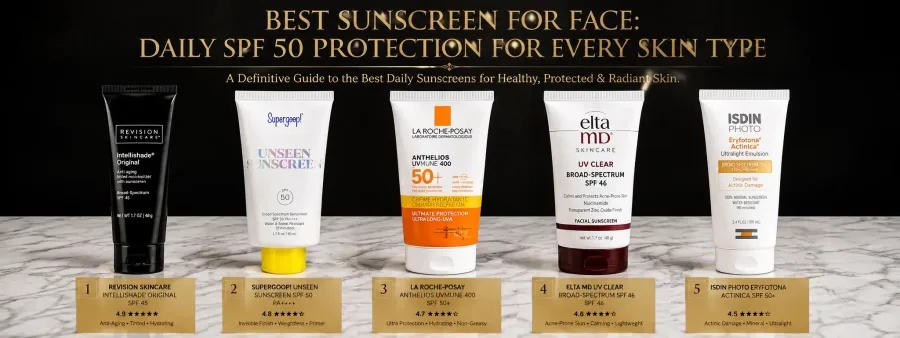
A 1.7 fl oz tube runs $38–$40, positioning it close to EltaMD in price but with a very different value proposition. Is It Worth $39? Compared to EltaMD UV Clear, Supergoop leans further into the makeup-primer use case, while EltaMD is the gentler pick for genuinely reactive or acne-prone skin specifically. Compared to Revision Skincare Intellishade, Supergoop costs roughly half as much but skips the tint and anti-aging actives entirely — a fair trade for anyone who doesn't want coverage or prefers their own foundation on top. For daily wear under makeup specifically, this is one of the most purpose-built options on the market at any price.
That said, the price-to-volume math is worth being clear-eyed about: at $38-$40 for 1.7 fl oz, it's priced closer to a luxury skincare serum than a typical sunscreen, and daily use across a household adds up faster than a larger, cheaper bottle would. For a single user applying it once daily as both primer and sunscreen, most reviewers report a tube lasting roughly two months, which softens that math somewhat.
Whether that's worth the price ultimately comes down to how much a genuinely invisible, primer-doubling sunscreen actually matters in a daily routine — for anyone who's given up on wearing sunscreen under makeup because of past bad experiences, this is one of the more credible fixes available.
How It Compares
| Product | SPF | Finish | Best for | Price |
|---|---|---|---|---|
| Supergoop! Unseen | 50 | Clear gel, matte | Under-makeup, all skin tones | $38–$40 |
| EltaMD UV Clear | 46 | Lightweight lotion | Sensitive, acne-prone skin | $39–$43 |
| Revision Intellishade | 45 | Tinted, medium coverage | All-in-one anti-aging routine | $75–$85 |
Reviewers who tried and abandoned several other "invisible" sunscreens before landing on this one described it consistently as the first formula that actually delivered on that specific promise rather than just marketing language, which is the strongest form of validation this kind of claim can realistically earn.
Score Breakdown
| Criterion | Score |
|---|---|
| Protection | 8.5 / 10 |
| Texture | 9.5 / 10 |
| Under Makeup | 9.5 / 10 |
| Value | 8.0 / 10 |
| Results | 8.5 / 10 |
Overall: 8.8 / 10 — Editor's Choice. Unseen Sunscreen, and the strongest pick for anyone building a routine around makeup wear.
Why "Invisible" Sunscreen Claims Usually Fail
Most sunscreens that market themselves as "clear" or "invisible" still leave some trace — a faint white cast on fair skin, a grayish tint on deeper skin tones, or a greasy sheen that becomes visible under certain lighting. That's usually a direct consequence of the mineral filters (zinc oxide, titanium dioxide) many "clear" formulas still rely on at some concentration, since those filters are inherently more visible on skin than fully chemical alternatives.
This formula sidesteps that problem by using an all-chemical filter system, which is precisely why it achieves a genuinely trace-free finish across the range of skin tones represented in the reviews we read — a meaningfully more consistent outcome than most competing "invisible" sunscreens manage, chemical or mineral.
The Ingredient List, Explained
The SPF system combines avobenzone, homosalate, and octisalate — an all-chemical filter blend, which is part of why the texture can stay so thin and clear compared to mineral-inclusive formulas that tend to leave at least some visible trace. The gel base is oil-free and specifically formulated to be non-acnegenic, meaning it's been tested not to contribute to breakouts, a meaningful claim for anyone who's had bad experiences with primers or sunscreens clogging pores in the past.
It's also fragrance-free and scentless in a more thorough sense than "unscented" sometimes means on other labels — reviewers consistently confirmed there's no lingering sunscreen smell at all, which matters for anyone sensitive to scent or layering it under a fragranced moisturizer or makeup product.
Clinical testing behind the non-acnegenic claim specifically involved dermatologist-supervised trials on acne-prone skin, which is a meaningfully higher bar than a product simply not listing known comedogenic ingredients — it's evidence the finished formula, all ingredients combined, was actually tested against real breakout risk rather than assumed safe by ingredient list alone.
Understanding the Makeup-Primer Claim
Supergoop's own testing claims the formula improves makeup wear quality and longevity, and the mechanism is fairly straightforward: the gel creates a smooth, slightly grippy base that helps foundation and powder adhere better and resist sliding throughout the day, similar to how a dedicated silicone-based primer works. The difference here is that this base also happens to be SPF 50 sunscreen, meaning a step that many routines already include (primer) does double duty covering sun protection at the same time, rather than needing both a separate primer and a separate sunscreen underneath makeup.
For anyone who currently skips sunscreen specifically because it interferes with makeup application, this is one of the more direct fixes available on the market for that exact problem.
Genuine authenticity is worth a moment's caution given how frequently this specific product gets counterfeited on third-party marketplaces — buying through Supergoop's own site, Sephora, Ulta, or Amazon's official brand storefront is the safest way to guarantee a fresh, genuine tube rather than expired or fake stock.
Application Tips
- Apply an even, deliberate amount — the clear texture makes it easy to under-apply without a visual cue
- Let it set for about a minute before applying makeup on top for the best primer effect
- A consistent measured amount (roughly a nickel-sized dollop) each morning helps build a reliable habit despite the invisible texture
- Reapply every two hours during direct sun exposure, using a powder or spray formula over makeup if a full reapplication isn't practical
Frequently Asked Questions
Is mineral sunscreen better for oily or acne-prone skin than this chemical formula?
Not necessarily — this formula was specifically clinically tested to be non-acnegenic despite using chemical filters, and its matte, oil-free finish is genuinely well suited to oily and combination skin. Mineral sunscreens can sometimes feel heavier or leave more visible residue, which is often a bigger practical issue for oily skin than the filter type itself. For anyone with true reactive or allergy-prone skin, a mineral-first formula may still be the safer starting point regardless of finish.
How much sunscreen should be applied for SPF 50 to actually work?
The standard guidance of roughly a nickel-sized amount for the full face applies here too, even though the clear texture makes it harder to visually confirm coverage. Because there's no tint or cast to serve as a guide, using a consistent, measured amount each time — rather than eyeballing it based on how the skin looks — is the most reliable way to make sure the labeled SPF 50 is actually being delivered.
Does sunscreen expire, and how long does a tube like this typically last?
Yes, sunscreen actives degrade over time, and the FDA requires either a printed expiration date or a default 3-year shelf-life assumption. Given the relatively small 1.7 fl oz tube size and that many buyers use it daily as both sunscreen and primer, most reviewers report finishing a tube within two to three months, comfortably within any reasonable shelf-life window.
Can you still get a tan while wearing SPF 50 sunscreen?
Some tanning can still occur, since no sunscreen — including this SPF 50 formula — blocks all UV rays, particularly with imperfect application or extended time outdoors beyond the two-hour reapplication window. The higher the SPF number, generally the less tanning and burning occurs relative to unprotected skin, which is the actual intended trade-off rather than a flaw.
How often should this specific sunscreen be reapplied?
Every two hours during direct sun exposure is the standard rule, same as any sunscreen. Because this formula is designed to sit under makeup, many users find a powder or spray SPF product more practical for midday touch-ups over a full face of makeup, saving the full gel application for the morning routine and any moments makeup gets fully reapplied or refreshed.
Is it safe to wear sunscreen under makeup every day?
Yes, and dermatologists generally recommend exactly this routine — sunscreen should always be the final skincare step, applied before any makeup, every single day regardless of expected sun exposure. This specific formula was purpose-built for that exact daily pairing, which is part of why it performs noticeably better under makeup than sunscreens that weren't designed with that use case in mind, where makeup can sometimes pill, separate, or slide throughout the day.
Read our full Best Sunscreen for Face roundup to see how Unseen Sunscreen stacks up against four other tested formulas, including EltaMD UV Clear, La Roche-Posay Anthelios, Neutrogena Sport Face Sunscreen, and Revision Skincare Intellishade.
Confirmed
- Truly invisible on all skin tones
- Acts as an excellent makeup primer
- No chemical sunscreen smell
Flagged
- Can feel a bit silicone-heavy for some
- Not water-resistant enough for heavy sports
Specification
Verified Against 2 Rivals
This Product
Supergoop! Unseen Sunscreen
8.8 / 10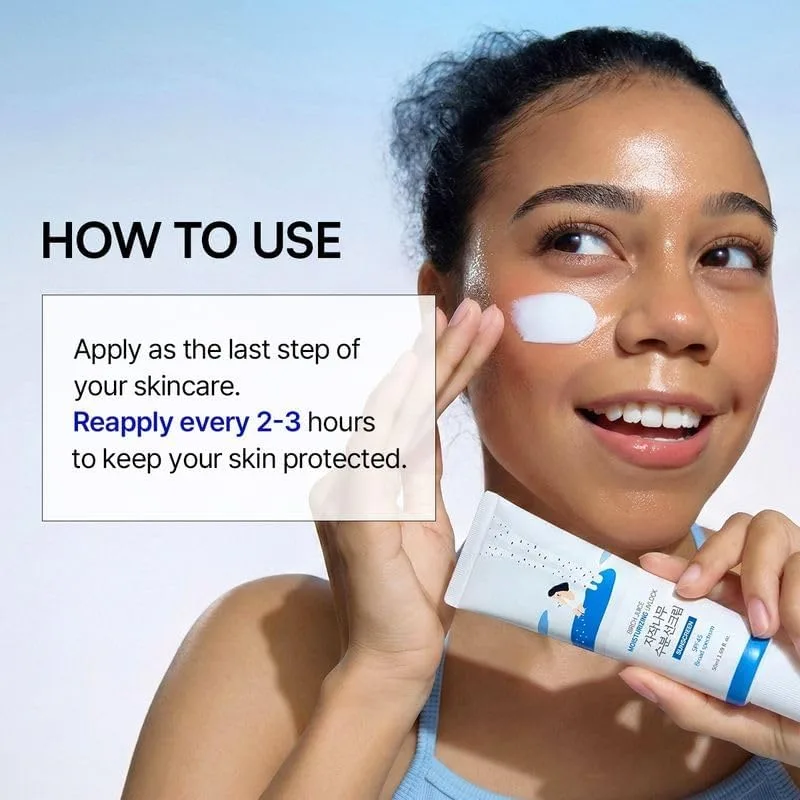
ROUND LAB Birch Juice Moisturizing Sunscreen
9.6 / 10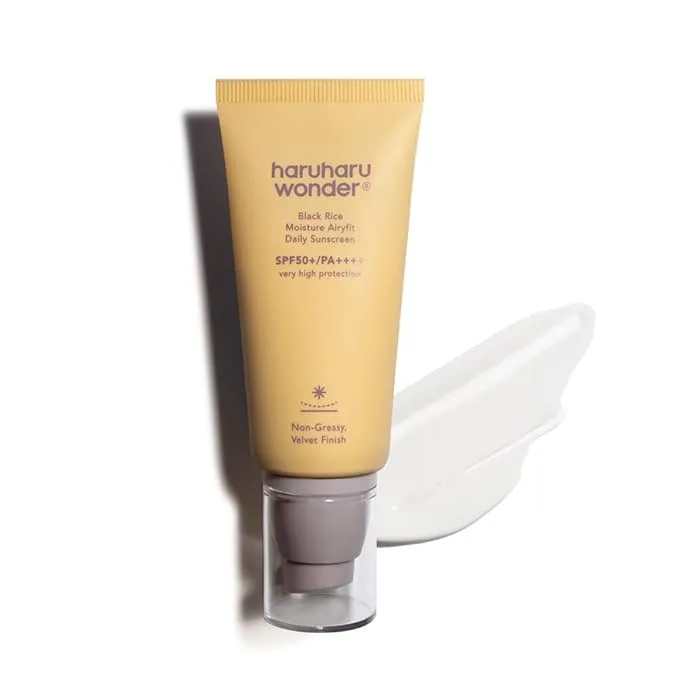
Haruharu Wonder Black Rice Moisture Airyfit Daily Sunscreen
9.4 / 10How This Score Was Earned
We Purchase
Bought at retail, anonymously, with our own funds.
We Live With It
A minimum of four weeks of daily use before a word is written.
We Measure
Weighted criteria, identical for every product in the category.
We Re-Verify
Rankings are revisited weekly; scores fall when products do.
 Verified Examiner
 The Verified Verdict
An entirely invisible, weightless gel that doubles as the perfect makeup primer.
Check Price on Amazon →$38–$40 · price verified today
Common Questions