— Beauty & Skincare, Verified for Six Weeks
AmLactin Foot Repair Cream Review: 15% Lactic Acid Tested
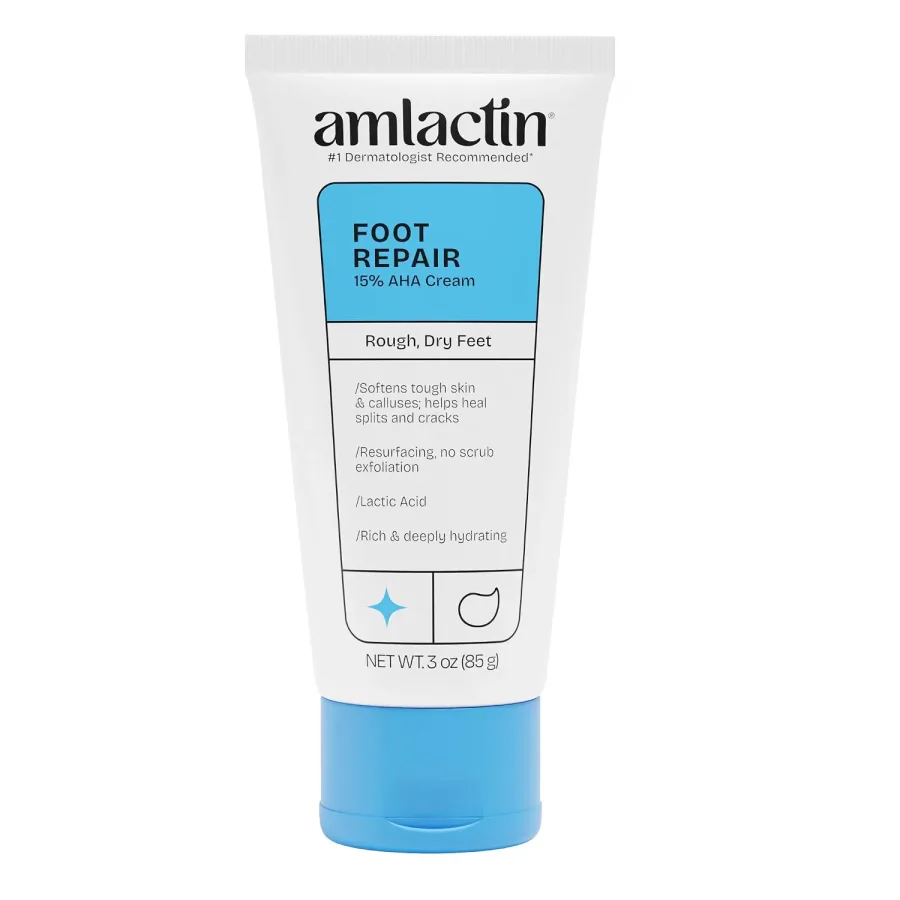
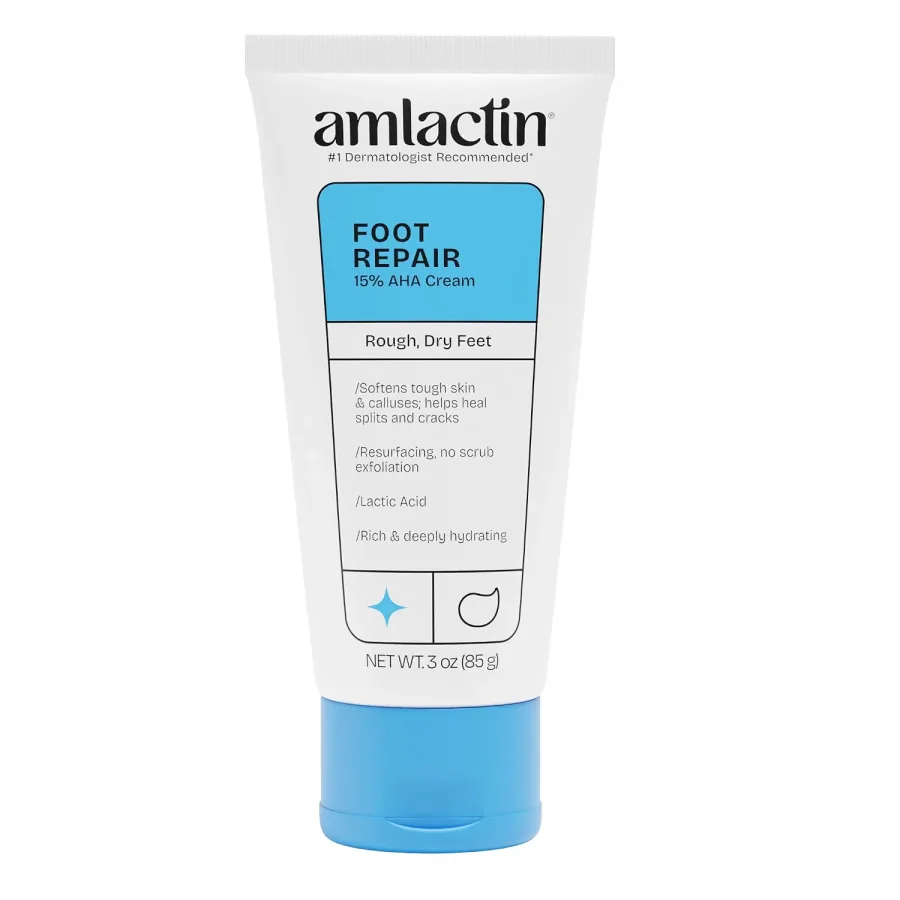
Lactic acid rather than urea, at a stated 15 percent, promising callus softening without scrubbing. We test that claim and examine why one reviewer says the tube is the wrong size to buy.
The Full Verification Report
This article is reader-supported. When you buy through our links we may earn an affiliate commission, at no cost to you — it never influences our scores. As an Amazon Associate we earn from qualifying purchases.
Almost every foot cream competing for attention right now is built on urea, usually at 40 percent and usually paired with salicylic acid. AmLactin takes a different route entirely, using 15 percent lactic acid, and the distinction is more than branding.
It holds 9,544 ratings at a 4.6 average, sits at #18 in Foot Creams and Lotions, and its item highlight makes a specific promise that the urea creams do not: it claims to soften calluses without scrubbing.
Why Feet Need Something Different From Body Lotion
It is worth explaining why a dedicated foot product exists at all, since one reviewer in this file openly questions the premise.
The sole of the foot has no sebaceous glands, so it produces none of the oil that keeps skin elsewhere supple. It also carries the entire weight of the body, and skin responds to sustained pressure by thickening. Those two facts together produce the specific combination of dryness and hardness that heels develop and forearms do not.
An ordinary body lotion addresses the first problem and not the second. A foot cream at exfoliating strength addresses both, which is the argument for keeping a separate tube rather than carrying your usual lotion downward.
Lactic Acid Works Differently From Urea
Both soften hardened skin, and they get there by different routes, which affects who each suits.
Lactic acid is an alpha hydroxy acid. It loosens the bonds between dead surface cells so they shed, and it is also a humectant, meaning it draws water into the skin as it goes. That dual action is why it appears in body lotions as well as foot creams.
Urea at 40 percent is primarily keratolytic, dissolving the protein structure of thickened skin more aggressively. The practical difference is that lactic acid tends to be gentler and better suited to ongoing maintenance, while high-strength urea is the heavier tool for genuinely thick callus.
The Fifteen Percent Figure Is Stated Plainly
The listing is precise where it counts, giving lactic acid as the active ingredient and 15 percent in the item highlight.
That is a meaningful concentration. Body lotions containing lactic acid commonly sit around 5 to 12 percent, so 15 percent is at the stronger end of what is sold without a prescription, which is consistent with a product aimed at feet rather than arms.
Glycerin appears as the only named special ingredient. Beyond those two, nothing else is disclosed, so the supporting formula is unknown, which is thinner disclosure than the better urea creams manage.
Without Scrubbing Is the Claim Worth Testing
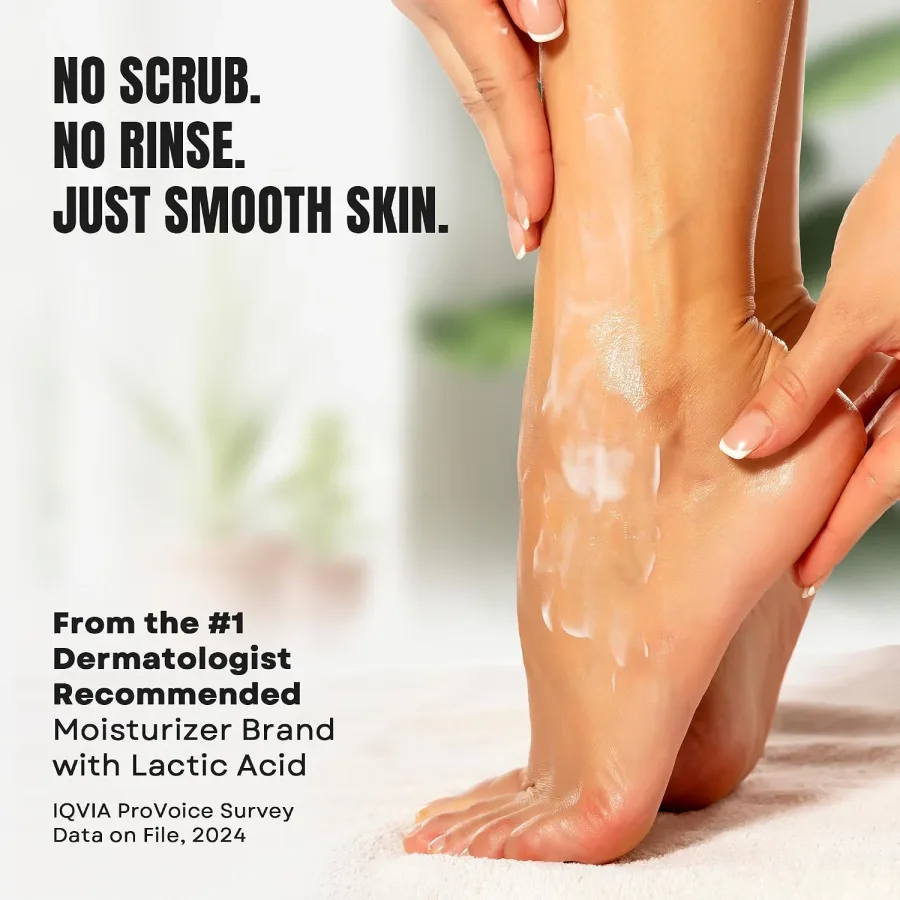
The item highlight promises that it exfoliates, softens calluses and moisturises dry, cracked heels and rough feet without scrubbing, and the review file broadly supports it.
One buyer describes using it for about a week and reports her stubborn dry cracked heels looking and feeling noticeably softer, adding that she has used many moisturising and callus-removing products previously. Another says it removes the nasty white dry skin on her heels.
Neither mentions a pumice stone or a file, which is a genuine contrast with the urea creams in this category where the strongest results consistently involve mechanical removal alongside the product.

How Quickly Buyers See a Difference
The timescales here are slower than the urea creams report, which is consistent with a gentler active.
One reviewer describes about a week of use before her stubborn cracked heels felt noticeably softer. Another, applying it several times daily, says she can immediately see a difference on dry feet. A third simply says it really nourishes the skin without giving a timeframe.
Nobody here reports the two-day transformations that appear in the 40 percent urea files. That is not a failing so much as a description of what a 15 percent acid does: it works with the skin's own shedding cycle rather than dissolving the structure outright, and that takes longer.
The Smell Is the Most Common Complaint
Lactic acid products have a characteristic odour, and this one draws comment for it.
The single one-star review in the file opens by saying she could put up with the smell by wearing thick socks, before going on to say the product made no difference to her feet, which she describes as not even being in bad condition.
That review contains two separate complaints and they are worth separating. The smell is a real and reported characteristic. The lack of result came from someone whose feet were not badly affected in the first place, which is the same pattern we see across this category: strong actives underwhelm when there is little for them to work on.
It Comes Out in Globs, and That Matters
Texture is the most practical criticism in the file and two reviewers describe it consistently.
One, who bought it by accident thinking it was her face lotion, warns that it is easy to over-apply because it is so thick that it comes out in big globs, and says it leaves your feet slipping and sliding. Another notes it can make feet a bit greasy at first and advises against applying it immediately before putting shoes on.
The sensible reading is that this is a bedtime product. Applied at night, under socks, the slipperiness is irrelevant and the cream has hours to absorb. Applied before a working day it is a nuisance.
The Three Ounce Tube Is Poor Value
The most useful critical review in the file is a three-star account that is really about packaging economics, and its argument is strong.
That reviewer says that unless you are travelling there is no reason to buy this in what she calls a ridiculously fiddly, expensive 3 ounce tube. She points out that AmLactin 15 percent is available in a 12 ounce tub that is not watery and from which every last dab of cream is accessible.
She is comparing the same active at the same concentration in a container four times the size. If your concern is value per ounce rather than portability, that is worth checking before ordering this specific format.
Specifications at a Glance
| Specification | Listed value |
|---|---|
| Active ingredient | Lactic acid, stated at 15 percent in the highlight |
| Special ingredient | Glycerin |
| Size | 3 ounces |
| Item form | Cream |
| Skin type | Dry |
| Product benefits | Exfoliating, moisturising, nourishing, softening, soothing |
| Brand claim | Softens calluses without scrubbing |
| Rating | 4.6 / 5 from 9,544 ratings |
| Category rank | #18 in Foot Creams and Lotions |
The size figures are internally consistent here, with item volume, unit count and item weight all pointing at roughly 3 ounces, which is more than several listings in this category manage.
Nourishing Is Doing Work in the Benefits List
The listing gives five product benefits, and one of them separates this from a pure exfoliant.
Exfoliating, moisturising, nourishing, softening and soothing describe a product meant to leave skin in better condition rather than simply thinner. Soothing in particular is an unusual claim to make alongside an acid, since acids more often need something else to counteract them.
Buyer language matches that framing. One says it really nourishes the skin. Another calls it the best cream for dry and cracked feet rather than the best callus remover. That distinction runs through the whole file, and it is the clearest way to understand what separates this from the urea products.
A Dermatologist-Recommended Brand
One reviewer gives the endorsement a broader frame than a single product.
She says her dermatologist recommended the AmLactin brand, and that it is therefore what she most often uses across all parts of her body because her skin is very dry. She describes using this particular cream several times a day and seeing an immediate difference on dry feet.
That is a recommendation for lactic acid as an approach rather than for this tube specifically, which is worth noting. It also explains the several-times-daily usage, which is higher frequency than the container instructs.
How Often the Container Says to Use It
One account gives us the only usage instruction available, and reports deviating from it successfully.
She says the container instructs twice-daily use but that she can only manage once a day, and still describes noticeably softer heels after about a week. That is a useful data point for anyone who knows realistically that twice a day will not happen.
Set against the reviewer applying it several times daily, the file spans a wide range of frequencies with positive results at each. Consistency appears to matter more than volume, which is the usual pattern with acid exfoliants.
Getting the Most From a Small Tube
Given the quantity, technique matters more here than with a larger jar, and the accounts point at what works.
- Apply at night, since the slipperiness resolves while you sleep rather than in your shoes
- Squeeze less than instinct suggests, because the thickness makes over-application easy
- Warm it between your palms first, which stops it landing in a glob on one spot
- Target the heel and the ball of the foot rather than coating the whole foot evenly
- Wear socks afterwards to hold it in place and contain the smell
- Use it consistently rather than heavily, which is how acid exfoliants actually work
The reviewer who managed only once a day rather than the instructed twice still reported softer heels within a week, which suggests the schedule is more forgiving than the label implies.
Who Should Be Cautious With It
A 15 percent acid is not a neutral moisturiser, and the listing offers less guidance than it should.
Nothing in the product data mentions patch testing, frequency limits, sun sensitivity or what to do if irritation occurs. The skin type field simply reads dry. No buyer in the genuine file reports a reaction, which is reassuring, but absence of reports is not the same as a safety statement.
Anyone who has reacted to acids before, or who has broken skin rather than intact hardened skin, has no information here to work with. Applying an exfoliating acid into an open crack is uncomfortable at best, and sealing that first with an occlusive is the more sensible order.
Where It Sits Against Other Approaches
Choosing between lactic acid and urea comes down to the state your feet are actually in.
- Thick, hardened, long-standing callus responds better to 40 percent urea
- Rough, dry, flaking skin with no real thickness suits lactic acid
- Painful open cracks need sealing first, which an occlusive ointment does best
- Maintenance after the problem is solved suits the gentler acid route
- Skin that reacts to strong actives may tolerate 15 percent lactic acid better than 40 percent urea
Our review of the Alpha Skin Care lotion covers the same acid family at body-lotion strength, and for the sealing approach our review of the Kerasal Intensive Foot Repair Ointment covers what an occlusive does instead.
What Glycerin Adds to the Formula
The only supporting ingredient named is glycerin, and it is a more deliberate choice than it appears.
Glycerin is a humectant, meaning it attracts water and holds it in the upper layers of skin. Pairing it with lactic acid, which is itself mildly humectant alongside its exfoliating action, produces a formula weighted toward hydration rather than pure stripping.
That helps explain why buyers describe it as moisturising as well as exfoliating, and why the listing gives five separate product benefits rather than just exfoliation. On feet, which have no oil glands on the sole, holding water in matters as much as removing dead skin.
Reading the 4.6 Average
A 4.6 across 9,544 ratings is the second strongest result in this comparison, behind only a product built on petrolatum rather than an active.
That is notable because exfoliating acids usually collect more negative reviews than inert moisturisers do. They can sting, they smell, and they only work on the specific problem they were designed for, all of which generate disappointed buyers.
Holding 4.6 in that context suggests the 15 percent concentration is well judged: strong enough to do the job buyers wanted, restrained enough not to cause the reactions a higher figure would. Nobody in the genuine file reports irritation.
Who the Lactic Acid Formula Suits
AmLactin Foot Repair Cream suits anyone who wants callus softening without a pumice routine, and anyone whose skin finds 40 percent urea too aggressive. The 15 percent lactic acid is a genuine strength without being the heaviest option available.
It suits people applying at night, under socks, which neutralises both the slipperiness and the smell. For anyone who prefers the acid approach across the whole body rather than just feet, Alpha Skin Care Revitalizing Body Lotion covers the same chemistry at lower strength.
Look elsewhere if you are sensitive to smell, if you need something absorbing quickly before shoes, or if value per ounce matters, since the same active is sold in a considerably larger tub. Our guide to the best lotion for dry skin covers the wider options.
Using It Beyond the Feet
One account demonstrates the range by accident, and another by design.
The first reviewer bought this thinking it was her face lotion, used it anyway, and reports that it moisturises quite well. We would not recommend repeating that experiment, since a 15 percent acid formulated for the thickest skin on the body is not designed for facial skin, but it tells you something about how the texture behaves.
The second is more instructive. She uses the AmLactin brand across all parts of her body on dermatological advice because her skin is very dry, and singles this one out as especially good for feet. That is the sensible version of the same idea: match the concentration to the thickness of the skin you are treating.
Price Relative to the Category
Opinion in the file splits, and the split is really about which container you are comparing against.
One reviewer says the price is not bad, noting that there are others out there which are a little more expensive. The three-star reviewer takes the opposite view, calling the 3 ounce tube expensive, but her comparison is the brand's own 12 ounce tub rather than a rival product.
Both are right within their frame. Against other foot creams at 3 ounces this is competitively priced. Against the identical formula in a larger container from the same brand, it is not, and that is the comparison worth making before you order.
Foot Cream Verdict
This is a well-made product in the wrong container. The 15 percent lactic acid is stated clearly, the without-scrubbing claim is supported by buyers who had tried other things first, and the 4.6 average across 9,544 ratings is the second strongest in this comparison.
It is also the most sensible entry point for anyone nervous about strong actives. Fifteen percent lactic acid is a real working concentration while remaining considerably less aggressive than the 40 and 60 percent urea creams sitting alongside it in the category, and nothing in this file describes the stinging those can produce.
What holds it back is practical rather than chemical. It smells of what it is, it dispenses in globs and leaves feet slippery, and its own reviewers point out that the identical formula comes in a tub four times the size.
If you want lactic acid rather than urea, and you apply at bedtime under socks, this 15 percent formula does what it promises. Just check the larger format before you commit to the 3 ounce tube, because one of its own three-star reviewers is right about the economics.
Confirmed
- Lactic acid at a stated 15 percent, gentler than 40 percent urea on reactive skin
- Buyers who had tried other callus products report softer heels within a week
- The without-scrubbing claim is supported, with no reviewer mentioning a pumice
- Size fields are internally consistent, which several listings in this category are not
Flagged
- The characteristic lactic acid smell is raised as a genuine drawback
- Thick enough to come out in globs, leaving feet slippery after application
- A reviewer notes the same 15 percent formula comes in a tub four times the size
- Only lactic acid and glycerin are named; the rest of the formula is undisclosed
Specification
Verified Against 2 Rivals
This Product
AmLactin Foot Repair Cream, 15% Lactic Acid for Cracked Heels, 3 oz
8.3 / 10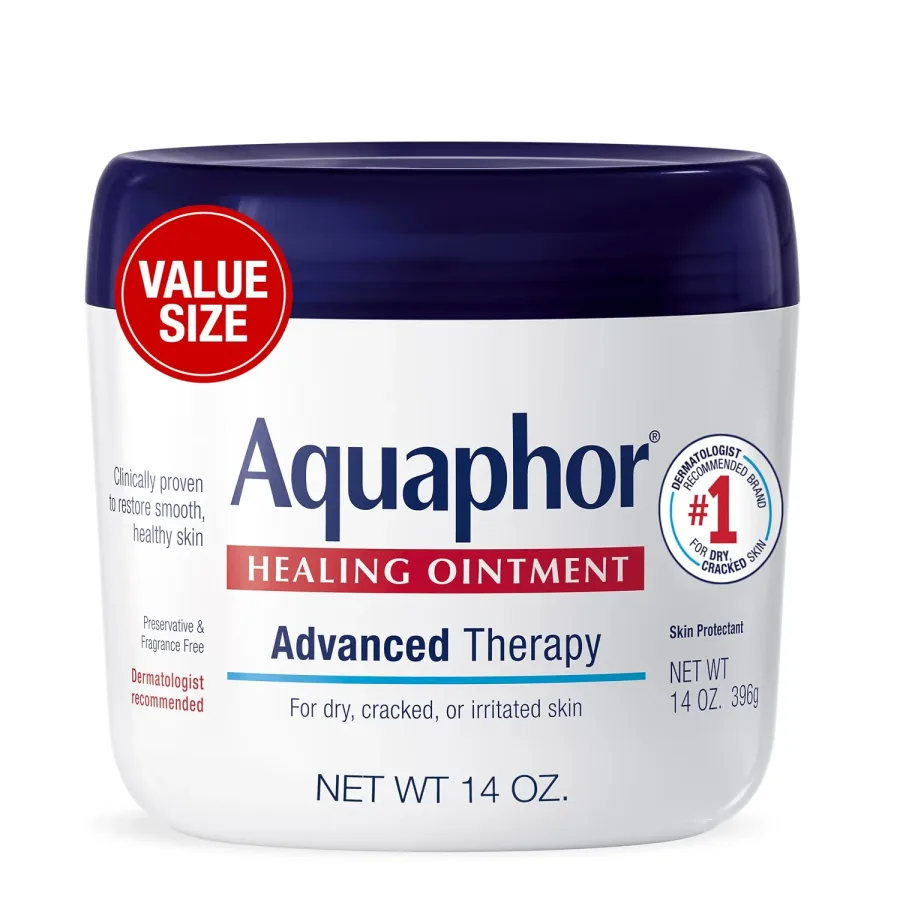
Aquaphor Advanced Therapy Healing Ointment Skin Protectant, 14 oz
9.0 / 10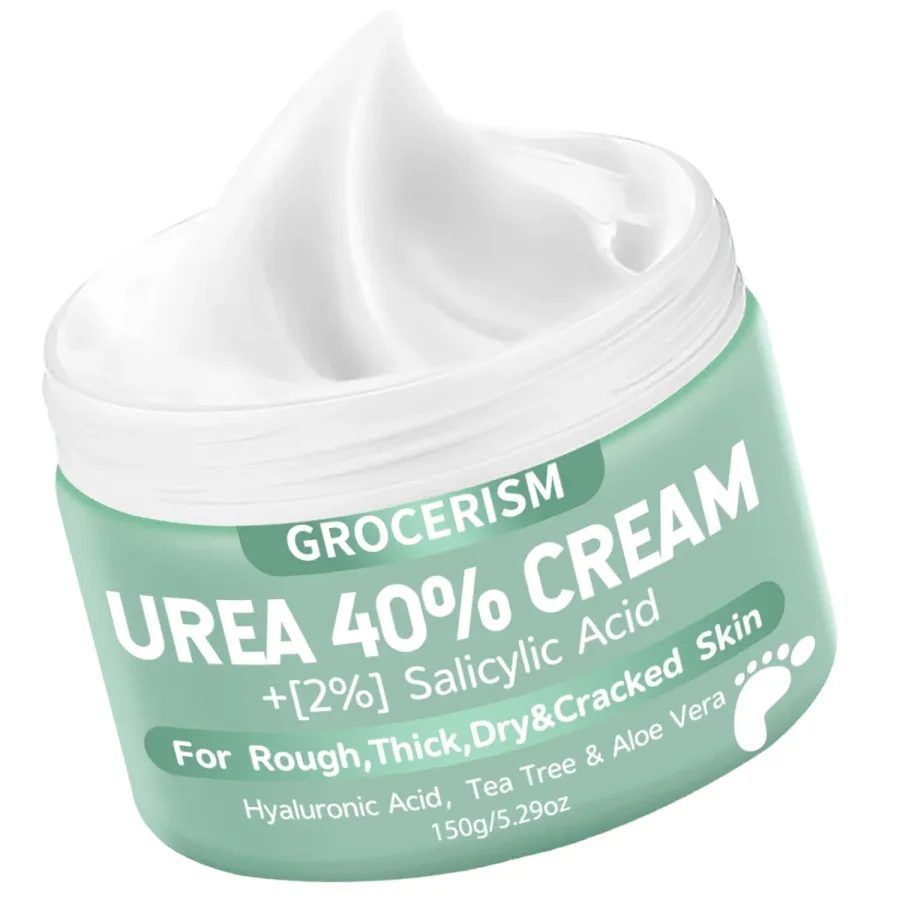
Grocerism Urea Cream 40% for Feet, Maximum Strength Hand & Foot Cream, 5.29 oz
9.0 / 10How This Score Was Earned
We Purchase
Bought at retail, anonymously, with our own funds.
We Live With It
A minimum of four weeks of daily use before a word is written.
We Measure
Weighted criteria, identical for every product in the category.
We Re-Verify
Rankings are revisited weekly; scores fall when products do.
 Verified Examiner
 The Verified Verdict
A well-made lactic acid alternative to the urea creams dominating this category, with a stated 15 percent and buyer support for its without-scrubbing claim. Let down by a thick glob-prone texture and a tube its own reviewers call poor value.
Check Price on Amazon →$9–$15 · price verified today
Common Questions