— Beauty & Skincare, Verified for Six Weeks
Anua Heartleaf Pore Control Cleansing Oil Review: Gentle Enough for Reactive Skin?
Six weeks with the cleansing oil that 28,000 buyers rate for sensitivity, including the one technical quirk that divides opinion.
The Full Verification Report
This article is reader-supported. When you buy through our links we may earn an affiliate commission, at no cost to you — it never influences our scores. As an Amazon Associate we earn from qualifying purchases.
Nearly 29,000 people have rated this bottle, which makes it one of the most reviewed cleansing oils on the market. That volume is worth paying attention to, because a formula aimed at sensitive skin either holds up at that scale or gets exposed by it.
This Anua Heartleaf Pore Control Cleansing Oil review follows six weeks of it as the only first cleanse in the routine, on normal-to-dry, low-sensitivity skin, against everything a day puts on a face: SPF reapplied through the afternoon, makeup on the days there was any, and the sebum in between.
It scored 8.6 in our cleansing oil testing, and the picture that emerged is very specific: the gentlest oil in the group by a clear margin, with one technical quirk that a noticeable minority of buyers genuinely dislike.
At a Glance
| Detail | Specification |
|---|---|
| Brand | ANUA |
| Key ingredients | Heartleaf (Houttuynia cordata), rosemary extract |
| Format | Cleansing oil, pump bottle |
| Size | 6.7 fl oz (200 ml) |
| Scent | Light botanical, rosemary |
| Formulation | Non-comedogenic, hypoallergenic |
| Best for | Sensitive skin, daily sunscreen removal, congested pores |
| Price band | $18 to $24 |
| Score | Out of 10 |
|---|---|
| Cleansing Power | 8.5 |
| Gentleness | 9.2 |
| Texture & Rinse | 8.0 |
| Ingredient Quality | 8.8 |
| Value | 8.7 |
| Overall | 8.6 |
What Heartleaf Is Doing in a Cleanser
Heartleaf, or Houttuynia cordata, is the ingredient Korean brands reach for when the target is calm rather than correction, and Anua has built most of its range around it.
It is used for soothing irritated, reactive skin, and it appears in formulas aimed at redness and sensitivity far more often than in anything promising dramatic results.
In a rinse-off cleanser its contact time is under a minute, so it is not delivering the benefit a leave-on toner would. What it does is shape how the wash feels while it is happening.

Rosemary extract sits alongside it and gives the oil its scent, a light botanical note that reviewers describe as pleasant rather than something to endure.
Worth being clear about, though: that scent means this is not a fragrance-free product. If your skin reacts to fragrance in any form, that is the one thing here to weigh carefully.
The First Wash: Thicker Than You Expect
Two pumps land in your palm as a clear, slightly golden oil with more body to it than the lightest Korean cleansing oils.
On the skin it spreads easily and stays where you put it rather than running toward your jaw, which makes the massage stage genuinely easier to control.
Makeup dissolves quickly. Foundation, cream products and everyday mascara break down inside thirty seconds, and the eye area stays comfortable throughout with none of the stinging that sends people back to micellar water.
Sunscreen is where it shines. A day of water-resistant SPF, the kind that resists a swim, comes away in one pass without needing a second application of product.
The scent is noticeable while you massage and gone by the time you rinse. It reads herbal and clean rather than perfumed, which is why so few reviewers complain about it.
What you notice afterwards is the absence of anything. No tightness, no squeak, no urge to immediately apply moisturizer to fix what the cleanser just did.
The Emulsifying Complaint, Explained
Here is the one thing that divides buyers, and it deserves a proper explanation rather than a dismissal.
Most cleansing oils turn milky white when you add water. That transformation is emulsification: emulsifiers in the formula bind the oil to water so the whole mixture rinses away as one.
This one does it far less dramatically. Reviewers who prefer a cleansing oil that turns properly milky notice immediately, and several say it is the reason they reach for something else.
The reason is a formulation trade-off. A heavier emulsifier load gives you the satisfying milky stage, and it is also more likely to sting eyes and disturb a fragile barrier. Anua has weighted this formula toward comfort.
In practice it still rinses. You add water more gradually, keep massaging for another fifteen or twenty seconds, and it clears without leaving a film.
Whether that trade is worth it depends entirely on your skin. If you are sensitive, you are getting exactly the compromise you want. If you are not, you may simply find a livelier oil more satisfying to use.
Six Weeks on Skin That Reacts
The gentleness claim is the one worth testing hardest, because it is the entire reason to choose this bottle over a cheaper one.
Over six weeks it never stung, never left tightness, and never produced the faint burn that some botanical cleansers create around the nose and eyes.
That matches the pattern across its review base. Buyers with allergy-prone skin, and people who had written off oil cleansing entirely, repeatedly single it out as the first one that did not react.
One reviewer described using it on both her own dry skin and her mother's oily, allergy-prone skin with no stinging on either, which is a useful data point given how differently those two skin types usually behave.
It is also comfortable enough to use on a night when your skin is already unhappy, which most first cleanses are not. That flexibility is worth something real.
None of this makes it suitable for broken or actively flaring skin. No cleanser is, and an oil is no exception.
How to Get the Most Out of It
This formula rewards technique more than most, largely because of the emulsification difference:
- Apply to a completely dry face with dry hands. Water first creates a barrier and the oil never binds to your sunscreen properly.
- Use two pumps for sunscreen, three for a full face of makeup, and press the pump halfway if you can.
- Massage for a full minute, longer than you would with a lighter oil, working in circles over the nose and chin where congestion sits.
- Add water gradually rather than all at once. Wet your fingertips, keep massaging, then add a little more. Flooding your face with water stops it lifting away cleanly.
- Rinse lukewarm and follow with a gentle water-based cleanser.
- Evenings only. There is nothing to dissolve in the morning, and using it twice a day halves the life of the bottle for no benefit.
The gradual water step is the one that matters here. Buyers who describe a residue almost always added water all at once, which is exactly the approach a milkier oil forgives and this one does not.
One more habit worth adopting: give the massage stage your full attention on the nights you wore sunscreen all day. Reapplied SPF builds up in layers, and sixty unhurried seconds clears it where twenty rushed ones do not.
Pore Control: What Actually Changed
The name promises pore control, so it is fair to ask what six weeks delivered.
Pores across the nose and inner cheeks looked less congested. Not smaller in any structural sense, because pore size is fixed, but visibly less packed and therefore less obvious at conversational distance.

That is exactly what oil cleansing should achieve. Hardened sebum inside a pore is oil-soluble, so an oil cleanser softens and lifts it in a way a foaming wash never reaches.
Set blackheads are a different matter. The dark, oxidised plugs across the nose reduced but did not clear, which is consistent with what buyers report over longer periods.
For those you need a leave-on acid working overnight rather than a cleanser working for sixty seconds. The two jobs complement each other rather than competing.
Framed properly, this is the cleansing half of a pore routine. Expecting it to be the whole routine is what produces the disappointed reviews.
Living With It Through Six Weeks
Beyond the first impressions, what stood out was how little thought the product ended up requiring.
The routine settled at roughly ninety seconds: two pumps, a minute of massage, water added gradually, then a gentle foam. It never became a chore, which is the practical test any nightly product has to pass.
Through a stretch of hot weather it kept up with reapplied sunscreen and sweat without needing more product, which is where thinner oils sometimes struggle.
In colder weeks it mattered more. Central heating dries skin out, and a cleanser that leaves no tightness is the difference between a comfortable evening and reaching for a heavier cream to repair the damage.
On the nights I wore no makeup at all, I skipped it entirely and used only the foam. That is worth saying plainly: a first cleanse is for removing sunscreen and makeup, not a step to perform regardless.
Nothing congested or broke out across the six weeks, and the eye area stayed comfortable throughout, including on days with liner and mascara.
Consumption settled once the dosing did. A third of the bottle across six weeks puts a full one comfortably inside the three to four month range, provided you resist the pump.
The Pump Problem
The most practical criticism has nothing to do with the formula.
The pump dispenses generously. One full press delivers noticeably more oil than a single wash requires, and in the first week it is easy to use twice what you need without noticing.
One long-term buyer said outright that she avoids the pump because it dispenses too much, which is a telling workaround for a product otherwise praised without qualification.
The fix is simple once you know. Press the pump halfway, or take one full press and use half of it, saving the rest for the next night in a small dish if that suits you.
Get the dosing right and a 200 ml bottle runs three to four months at nightly use, which changes the value calculation considerably.
Get it wrong and you will be repurchasing in six weeks and concluding the product is expensive, when the packaging rather than the price is the problem.
Pairing It With the Right Second Cleanse
An oil cleanser is only half a routine, and Anua designs its range to work as a pair.
Anua Heartleaf Quercetinol Pore Deep Cleansing Foam is the intended partner, using the same heartleaf base with BHA added, and it is the second step I used throughout testing.
The logic is sound. The oil dissolves what is oil-soluble, the foam clears what is water-soluble, and the BHA does a little pore work while it is there.
If your skin leans sensitive rather than oily, ease off on the second step. The gentler formulas we ranked in our best face wash for sensitive skin testing will not undo the comfort the oil just bought you.
After cleansing, the same brand's toner is a natural next step. Anua Rice 70 Glow Milky Toner layers well on damp skin, and we covered how it performs in our Anua Rice 70 Glow Milky Toner review.
The broader point is that a gentle first cleanse followed by an aggressive second one leaves you exactly where you started. Match the two.
How It Compares
Within the cleansing oil category, the useful comparison is against a lighter oil and against a balm.
| Anua Heartleaf Oil | A light centella oil | A cleansing balm | |
|---|---|---|---|
| Texture | Medium weight | Water-light | Solid, melts on contact |
| Emulsifies | Partially | Fully, milky | Fully, with effort |
| Gentleness | Best in group | Very good | Varies by formula |
| Waterproof makeup | Adequate | Adequate | Best |
| Sunscreen removal | Excellent | Excellent | Excellent |
| Price band | $18 to $24 | $16 to $22 | $25 to $70 |
Read that as three answers to different questions. Choose this one for tolerance, a lighter oil for the cleanest rinse, and a balm for the heaviest makeup.
For the wider category, our best Korean skincare picks put this style of cleansing in the context of the routine it belongs to.
Why 29,000 Reviews Are Worth Reading Differently
A review count this large changes how you should read the rating, and it is worth a moment because most people treat a 4.4 as simply worse than a 4.7.
At this scale you are seeing every skin type, every climate and every level of technique. A niche product with 300 reviews from its target buyer will always average higher than a mainstream one used by everybody.
What matters more than the average is the shape of the complaints. Here they cluster tightly around two things: the emulsification and the pump. That consistency is a good sign, because it means the failures are predictable rather than random.
Random failure patterns are the ones to worry about. When a product breaks some people out, irritates others and does nothing for a third group, the formula is unpredictable on different skin.
This one is not. Buyers who wanted a milky rinse are disappointed for a reason you can anticipate before you buy, and everyone else is describing much the same experience.
That predictability is what a large review base actually buys you, and it is worth more than a higher average from a smaller sample.
Is It Worth $20?
At three to four months per bottle, this lands around fifteen to twenty cents per wash, which is unremarkable in a category where micellar water and wipes cost more per use.
The real question is what you are paying the premium for, since plenty of cleansing oils cost half as much and remove makeup perfectly well.
What you are buying here is tolerance. Oils that reliably avoid stinging, tightness and reactions are a much smaller group than oils that simply clean, and this is one of the few with a review base large enough to prove it.
If your skin is resilient, that premium buys you nothing you need. A cheaper oil will do the same job and you will not miss anything.
If your skin is the reason you have avoided oil cleansing entirely, this is the bottle that changes that, and the difference between using a first cleanse and skipping it is worth far more than the few dollars.
What It Cannot Fix
Two expectations show up repeatedly in disappointed reviews of every cleansing oil, and both are worth naming plainly.
The first is blackheads. A cleanser has under a minute of contact time, and a set, oxidised plug needs an acid working for hours to loosen. Oil cleansing keeps new congestion from forming and softens what is there; it does not extract.
The second is pore size. Pores do not shrink, and nothing topical changes their structure. What changes is how full they look, which is a real visual improvement and a different claim entirely.
It also will not address texture, tone or fine lines, because it is on your face for sixty seconds and then gone. Cleansers create the conditions for other products to work rather than doing that work themselves.
Where an honest routine puts the effort is the leave-on steps. If congestion is your main concern, the cleanser is the supporting act and a BHA is the lead.
Judged as the supporting act, this is close to ideal: it clears the day off your face without costing you anything in comfort, which is exactly what the first step should do.
Who Should Buy It
If your skin has rejected most things you have put on it, this is the bottle to try next.
- Buy it if your skin is sensitive, reactive or allergy-prone and other cleansers have stung.
- Buy it if you apply SPF every morning and want it gone at night without a trace of tightness.
- Buy it if congested, packed-looking pores are your main complaint.
- Think twice if you love the milky emulsifying stage, since this one is subdued.
- Skip it if you need a fragrance-free formula, because the rosemary extract is genuinely present.
At 8.6 it loses ground only on that emulsification quirk and the over-generous pump, and gains it everywhere comfort is being measured. For the buyer it is built for, it is close to the best thing in the category.
Confirmed
- Exceptionally gentle: buyers with allergy-prone and reactive skin repeatedly report zero stinging, including around the eyes
- Clears sunscreen and a full face of makeup without leaving skin feeling stripped afterwards
- Heartleaf and rosemary give it a light botanical scent that reviewers consistently like rather than tolerate
- Pores look visibly less congested after a few weeks of nightly use
- Non-comedogenic formulation, which matters for an oil going onto blemish-prone skin
Flagged
- Does not emulsify into a milky rinse the way many oils do, which several buyers specifically miss
- The pump dispenses more than one wash needs, so it is easy to waste product
- Rosemary extract gives it a real scent, so it is not an option for fragrance-free routines
Specification
Verified Against 2 Rivals
This Product
Anua Heartleaf Pore Control Cleansing Oil
8.6 / 10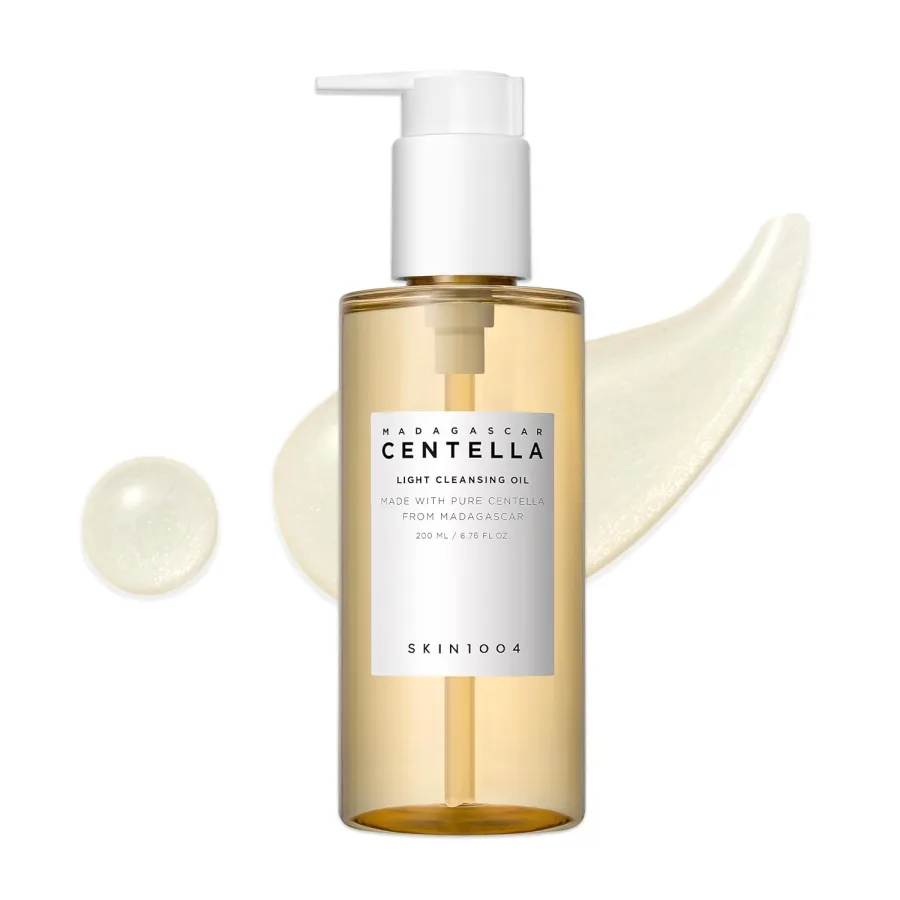
SKIN1004 Madagascar Centella Light Cleansing Oil
9.0 / 10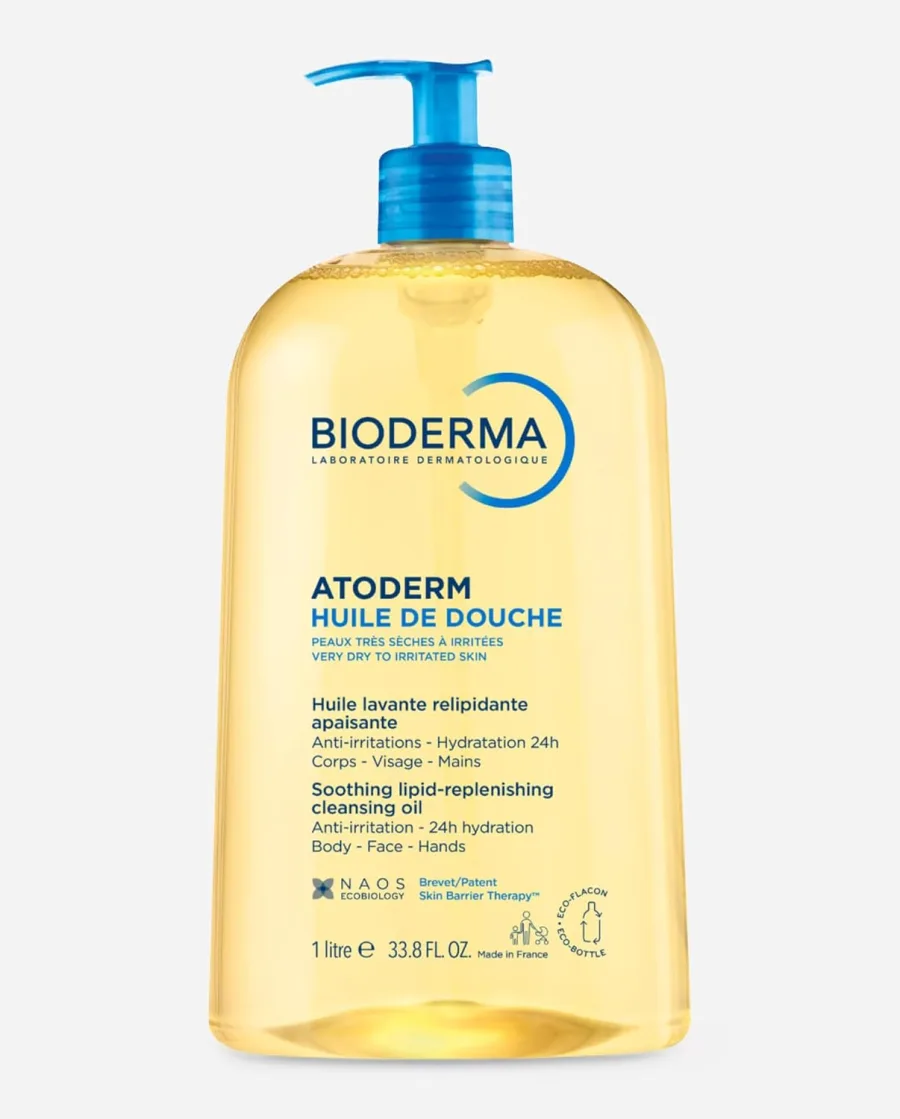
Bioderma Atoderm Shower Oil
8.8 / 10How This Score Was Earned
We Purchase
Bought at retail, anonymously, with our own funds.
We Live With It
A minimum of four weeks of daily use before a word is written.
We Measure
Weighted criteria, identical for every product in the category.
We Re-Verify
Rankings are revisited weekly; scores fall when products do.
 Verified Examiner
 The Verified Verdict
The gentlest high-volume oil cleanser we have tested, and the one to reach for if every other oil has stung your eyes or left your skin tight.
Check Price on Amazon →$18–$24 · price verified today
Common Questions