— Beauty & Skincare, Verified for Six Weeks
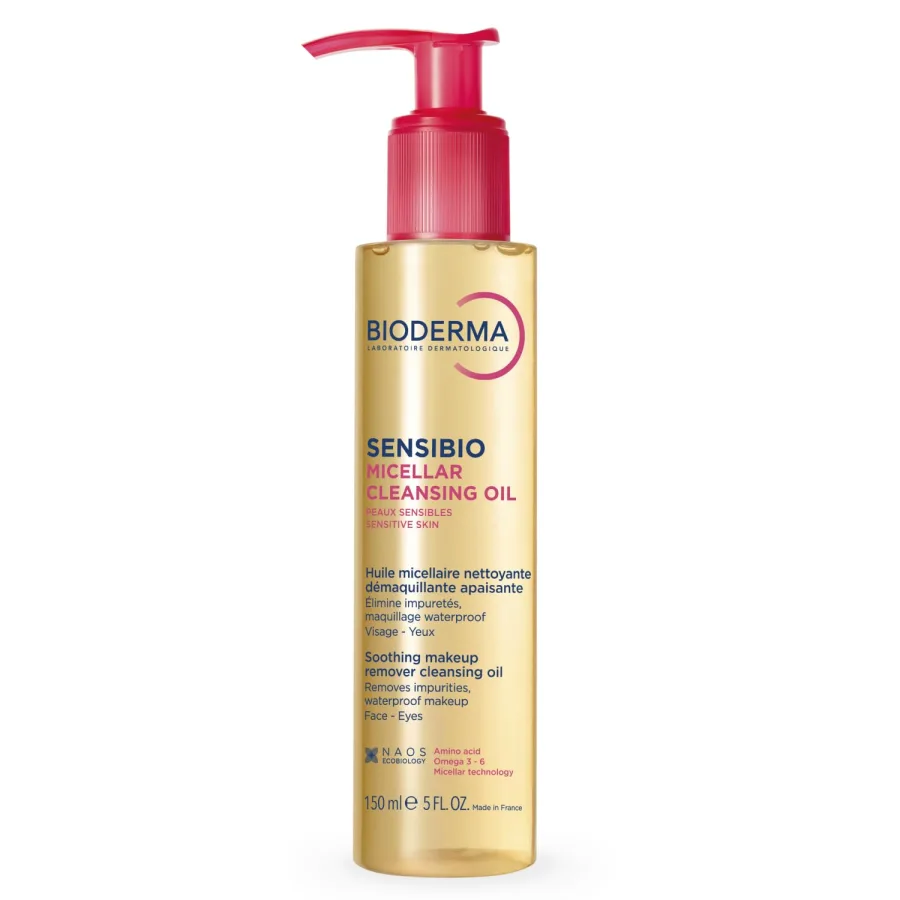
Bioderma Sensibio Cleansing Oil Review: Built for Skin That Reacts to Everything
Six weeks with the French pharmacy micellar oil that reactive skin and sensitive eyes tolerate, and the one thing it will not remove.
The Full Verification Report
This article is reader-supported. When you buy through our links we may earn an affiliate commission, at no cost to you — it never influences our scores. As an Amazon Associate we earn from qualifying purchases.
Most cleansing oils are sold on what they remove. This one is sold on what it does not do: sting, react, flare, or leave the skin around your eyes red and tight.
That is a narrower promise, and for a large group of people it is the only one that matters. What follows is six weeks of putting it to that test each evening, on normal-to-dry skin, against daily sunscreen and ordinary makeup.
It scored 9.2 in our cleansing oil testing, third of fifteen, and it is the one we would hand to anyone whose skin has rejected everything else.
At a Glance
| Detail | Specification |
|---|---|
| Brand | Bioderma |
| Origin | France |
| Format | Micellar cleansing oil, pump bottle |
| Size | 150 ml |
| Scent | Minimal, no fragrance-forward notes |
| Testing | Dermatologist tested |
| Best for | Sensitive, reactive, intolerant and eczema-prone skin |
| Price band | $19 to $24 |
| Score | Out of 10 |
|---|---|
| Makeup & Sunscreen Dissolution | 9.3 |
| Emulsification & Rinse-Off | 9.4 |
| Skin Barrier & Hydration | 9.1 |
| Pore & Texture Refinement | 9.0 |
| Formula & Skin Tolerance | 9.2 |
| Overall | 9.2 |
What a Micellar Oil Actually Is
The name causes confusion, so it is worth clearing up before anything else.
Micelles are tiny structures with a water-loving end and an oil-loving end. That dual nature is what lets them grab oily grime and carry it away in water, and it is the mechanism behind every micellar water on the market.
A micellar oil flips the emphasis. The base is oil, which gives it genuine solvent power against sunscreen and makeup, and the micellar system is what makes it rinse away rather than sitting on your skin.

The practical result is a product that behaves like neither category exactly. It does not foam at all, and buyers note that. It turns milky instead, which is the emulsion forming.
That is also why it feels so different from a foaming wash. There are no aggressive surfactants doing the work, which is precisely the point for skin that reacts to them.
The Eye Test
Every cleansing oil claims to be gentle around the eyes. This is one of the few where the reviews are unanimous about it.
Buyer after buyer describes removing eye makeup with no stinging and no burning, which is not a small thing if you have spent years wincing through the last step of your evening.
Over six weeks it never once stung, including on evenings with liner and mascara, and there was no cloudy vision afterwards.
That last point is worth explaining. The blurred vision people associate with oil cleansers comes from oil that has not been fully emulsified reaching the eye surface. A well-balanced micellar system prevents it.
One reviewer described previously having constant redness and dryness around her eyes from other removers, along with lashes falling out from the rubbing that removal required. This solved both.
If sensitive eyes are the reason you have avoided oil cleansing, this is the formula that changes the calculation.
What "Sensitive Skin" Actually Covers
The phrase is used so loosely that it has almost stopped meaning anything, which is a problem when you are trying to buy for it. Four different situations hide behind the same words.
The first is a compromised barrier. Skin that has been over-cleansed, over-exfoliated or damaged by cold weather stings at things it normally tolerates. This is temporary, and the fix is doing less rather than buying something.
The second is genuine reactivity, where skin flushes, burns or itches in response to fragrance, essential oils or specific actives. This is what dermatological ranges like Sensibio are formulated around.
The third is atopic or eczema-prone skin, which is a structural difference: fewer barrier lipids from the outset, faster water loss, easier entry for irritants.
The fourth is rosacea, where visible flushing and dilated capillaries respond badly to heat, friction and certain actives, and where cleansing technique matters as much as the cleanser.
An oil cleanse helps in all four, because the mechanism is dissolution rather than surfactant stripping and there is no friction involved. What changes between them is how much else you should be doing at the same time.
Knowing which one you have tells you whether a gentler cleanser is the whole answer or simply the first part of it.
Six Weeks on Skin That Reacts
The tolerance claim is the one worth testing hardest, since it is the entire reason to choose this over a cheaper oil.
Over six weeks there was no stinging, no tightness and no redness, including on evenings when my skin was already unhappy from cold weather.
That matches the pattern in its reviews. The most striking account comes from a buyer who passed it to a daughter with eczema and multiple cleanser allergies, and reported no reaction and no eczema breakouts at all.
Another describes combination-but-sensitive skin looking noticeably better within a week of switching, specifically because dry patches stayed moisturised even while she continued using harsher foaming cleansers afterwards.
That is a useful detail. A gentle first cleanse buys you tolerance for a stronger second step, which is often how people manage sensitive skin without giving up on cleansing properly.
Nothing broke out over the test period, which fits a formula built around a light, non-comedogenic ester base.
The Film Complaint, Explained
The one recurring criticism is that it can leave a slight oily film after rinsing, and it deserves a proper answer rather than a dismissal.
It is real, and buyers who mention it also mention the fix: warm water clears it noticeably better than lukewarm.
The cause is formulation philosophy. A heavier emulsifier load gives a squeakier rinse and is also more likely to sting eyes and disturb a fragile barrier. Bioderma has weighted this toward comfort.

The buyers who report the film are also, almost without exception, the ones who say they do not mind it, because a second cleanse follows anyway.
That is the correct framing. This is designed as step one of a double cleanse rather than a standalone wash, and judged that way the film is a non-issue.
If you want a single product that leaves skin squeaky, this is not it, and squeaky was never the goal.
Why French Pharmacy Formulas Look So Plain
Open a Bioderma bottle expecting an experience and you will be disappointed, which is the point rather than an oversight.
French pharmacy skincare is built around the dermatology counter rather than the beauty hall. Formulas are short, fragrance is minimised, packaging is functional, and nothing is included purely to make the product enjoyable to use.
That philosophy has a direct consequence for reactive skin: every ingredient present for sensory reasons is an ingredient that can cause a reaction. Removing them removes risk.
It also explains why these products feel underwhelming next to a K-beauty formula with thirty botanical extracts. The extracts are not doing much in a sixty-second rinse-off, and each one is another variable.
What you give up is genuine. There is no ritual here, no scent worth mentioning, nothing to look forward to at the end of a long day.
What you get instead is predictability, which is worth considerably more when your skin has a history of reacting to things that other people find delightful.
Where It Falls Short
Two limitations are worth knowing before you buy, and neither is about tolerance.
The first is stubborn pencil eyeliner. One buyer reports it simply would not remove a particular NYX liner, and that fits a formula tuned for gentleness rather than solvent aggression.
Waterproof mascara sits in the same bracket. It will soften it, but a richer oil clears it faster and with less contact time.
The second is size. At 150 ml this is smaller than the 200 ml that has become standard in the category, which quietly worsens the cost per wash even though the sticker price looks competitive.
Neither is a reason to avoid it if tolerance is your priority. Both are reasons to keep a dedicated eye remover in the drawer if you wear long-wear liner daily.
It is also worth saying what is not on the list. Nobody reports it breaking them out, nobody reports it stinging, and nobody reports it drying the skin, which are the three complaints that dominate most cleanser reviews.
Using It on Eczema-Prone and Allergy-Prone Skin
This is where the product genuinely separates itself, and the logic is worth understanding.
Eczema-prone skin has a barrier that produces fewer of the lipids holding the outer layer together. It loses water faster and lets irritants in more easily, which is why ordinary washing hurts.
A foaming cleanser strips surface oils indiscriminately. On a barrier already short of them, every wash takes more than it should, which keeps the cycle of tightness, itching and flaring running.
An oil cleanse breaks that loop by dissolving what is on the skin without dismantling what is underneath.
It remains a cleanser rather than a treatment. It will not clear an active flare, and anyone managing eczema should be doing so with a doctor rather than a product page. What it does is remove a daily irritant from the equation.
If body skin is the problem rather than the face, Bioderma Atoderm Shower Oil is the same philosophy at scale, and we covered how it performs in our Bioderma Atoderm Shower Oil review.
How to Use It
Technique matters slightly more here than with a squeakier oil, because of the emulsifier balance:
- Apply to a dry face with dry hands. Any water on the skin first keeps the oil from gripping your sunscreen.
- Two pumps covers a face. Three only if you are removing a full face of makeup.
- Massage for sixty seconds, eyes closed, letting the oil dissolve eye makeup rather than rubbing at it.
- Emulsify with wet hands until it turns milky, then rinse with warm rather than lukewarm water, which clears the film better.
- Always follow with a gentle water-based cleanser after sunscreen or makeup.
- Evenings only. There is nothing oil-soluble on your face in the morning.
For the second step, keep it mild. CeraVe Hydrating Cleanser is the safest default for reactive skin, and our best cleanser for sensitive skin testing covers the gentler alternatives.
Sensibio Oil vs Sensibio H2O vs Atoderm
Bioderma's range is large enough that buying the wrong product is a common way to conclude the brand did not work for you.
| Sensibio Cleansing Oil | Sensibio H2O Micellar Water | Atoderm Shower Oil | |
|---|---|---|---|
| Base | Oil | Water | Oil |
| Removes sunscreen | Yes, fully | Partially | Yes, on body and face |
| Best for | Reactive facial skin | Quick touch-ups | Dry, atopic body skin |
| Rinse needed | Yes | Optional | Yes |
| Fragrance | Minimal | Fragrance-free | Lightly perfumed |
| Size | 150 ml | 250 ml and up | 1 litre |
Bioderma Sensibio H2O Micellar Water is the product most people know the brand for, and it is genuinely excellent at what it does. What it does not do is remove sunscreen properly, which is the job most evenings actually require.
The oil is the one that belongs in a nightly routine if you wear SPF. The water is a convenience product, best kept for mornings or travel.
Atoderm is a different line entirely, aimed at dry and atopic body skin rather than facial sensitivity.
Living With It Day to Day
Beyond tolerance, the practical experience matters, because a cleanser is something you use every night when you are tired.
The routine settled at about ninety seconds: two pumps, a minute of massage, water added gradually, then a gentle second cleanse.
The pump is well judged and doses sensibly, which is more than can be said for several competitors that flood your palm on a single press.
Through a cold snap it kept up. Central heating leaves my skin drier and less tolerant, and this was the one step in the routine I never had to think about.
On no-makeup days I skipped it entirely and used only a gentle water-based wash, which is the correct approach with any first cleanse and doubles the life of the bottle.
The one thing to watch is the 150 ml size, which disappears faster than the 200 ml bottles most competitors ship. Two pumps a night took roughly half of it across six weeks.
Is It Worth $21?
At three months per 150 ml bottle, this lands around twenty-five cents per wash, which is toward the higher end of this category.
What you are buying is tolerance rather than power. Oils that reliably avoid stinging, tightness and reactions are a much smaller group than oils that simply clean.
If your skin is resilient, that premium buys you nothing you need, and a Korean lightweight will clean just as well for less. Our best cleansing oil roundup covers those options in full.
If your skin is the reason you have avoided oil cleansing entirely, the calculation reverses completely. The difference between having a first cleanse and skipping it is worth far more than a few dollars.
The smaller bottle is the one genuine complaint on value, and it is worth checking whether the larger size is available where you shop, since buyers specifically flag it as better value.
Cleansing Technique for Reactive Skin
With skin that flares easily, how you cleanse matters as much as what you cleanse with, and a few habits do more than any product switch.
Friction is the first thing to remove. No washcloths, no muslin cloths, no exfoliating pads, and no rubbing at the eye area. Fingertips only, and lightly.
Water temperature is the second. Hot water dilates capillaries and strips lipids at the same time, which is a bad combination on skin that already flushes. Lukewarm to warm is the whole range you should use.
Frequency is the third. Reactive skin rarely needs a full double cleanse every night, and on days with no sunscreen or makeup a single gentle wash is genuinely enough.
Then there is the drying step, which people forget. Pressing a soft towel against your face rather than rubbing it costs nothing and spares a barrier that is already working hard.
Finally, apply whatever comes next while your skin is still slightly damp. Everything from a toner to a barrier cream works better with water underneath it to seal in.
Get those five right and even a mediocre cleanser behaves better. Get them wrong and the gentlest formula on the market will still leave you red.
Who Should Buy It
This is the cleansing oil for people whose skin has a history of saying no.
- Buy it if your skin is reactive, intolerant, eczema-prone or allergy-prone.
- Buy it if other oils have stung your eyes or left them blurred.
- Buy it if you want a first cleanse gentle enough to precede a stronger second step.
- Think twice if you wear long-wear pencil liner daily, which is the one thing buyers report it missing.
- Skip it if you want a squeaky-clean finish, since the light film is a deliberate trade-off.
Six weeks in, what stands out is not any single result but a complete absence of incident. For skin that reacts to everything, that is the entire point, and it is why this scores 9.2 despite giving up ground on raw solvent power.
Confirmed
- Micellar double-action technology lifts waterproof eye makeup without requiring aggressive rubbing
- Rich in biomimetic omega fatty acids that actively nourish and defend the cutaneous lipid barrier
- Completely fragrance-free formulation with outstanding ocular tolerance, preventing stinging
- Emulsifies instantaneously upon water contact, washing away cleanly with zero film
Flagged
- 150 ml bottle size is somewhat smaller than the typical 200 ml standard in this price tier
- Fluid texture requires careful dispensing to avoid running down the hand
Specification
Verified Against 2 Rivals
This Product
Bioderma Sensibio Micellar Cleansing Oil
9.2 / 10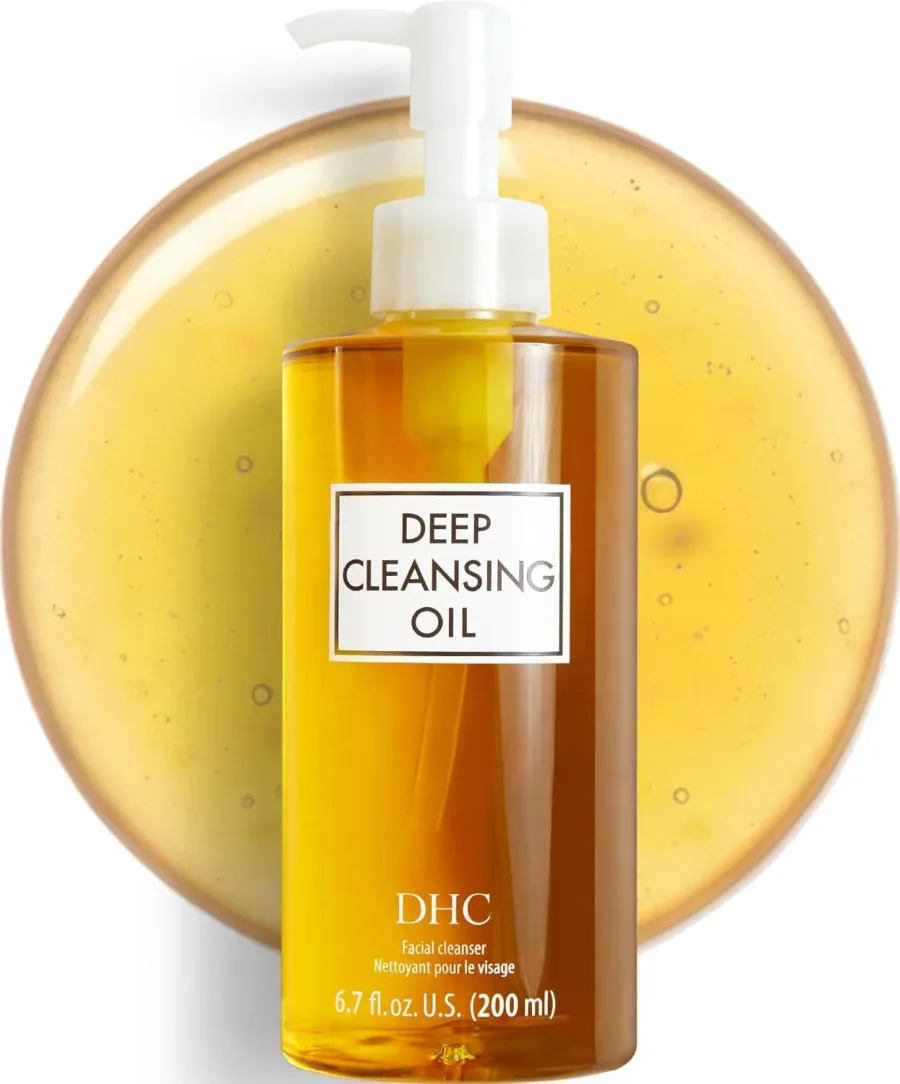
DHC Deep Cleansing Oil
9.6 / 10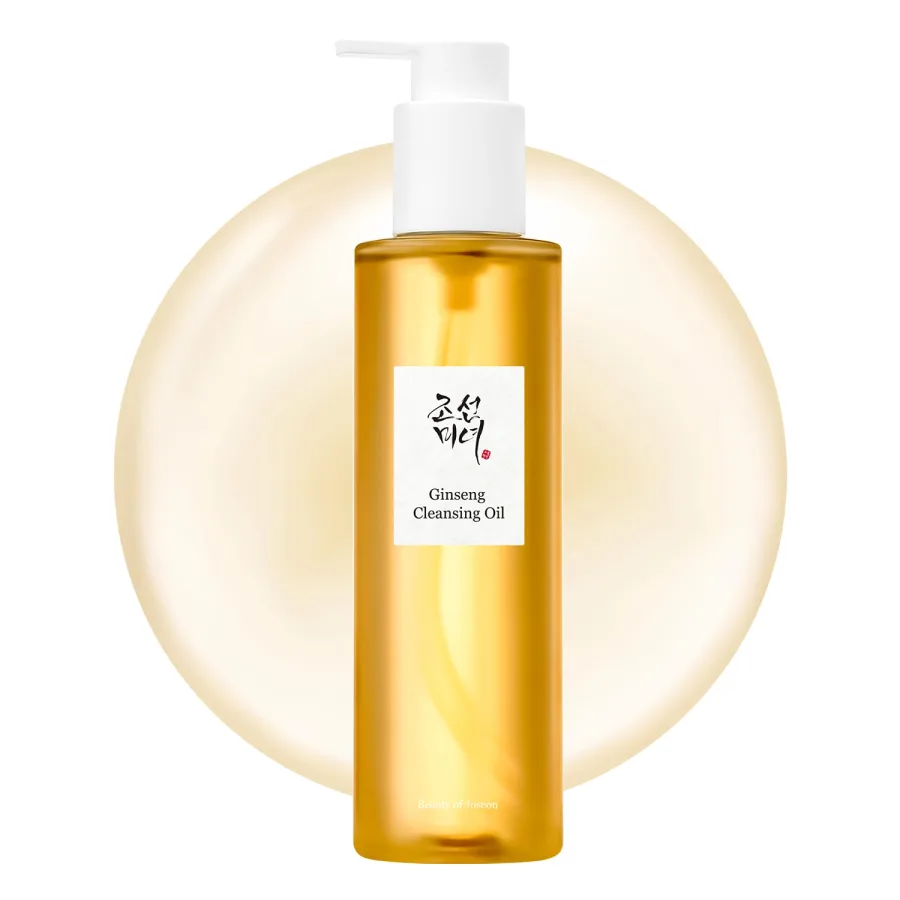
Beauty of Joseon Ginseng Cleansing Oil
9.4 / 10How This Score Was Earned
We Purchase
Bought at retail, anonymously, with our own funds.
We Live With It
A minimum of four weeks of daily use before a word is written.
We Measure
Weighted criteria, identical for every product in the category.
We Re-Verify
Rankings are revisited weekly; scores fall when products do.
 Verified Examiner
 The Verified Verdict
An ecobiological micellar cleansing oil packed with omega-3 and omega-6 fatty acids that soothes reactive skin while effortlessly melting waterproof makeup.
Check Price on Amazon →$19–$24 · price verified today
Common Questions