— Beauty & Skincare, Verified for Six Weeks
Clyecfra 60% Urea Cream Review: Is Maximum Strength Better?
Sixty percent urea is half as strong again as the category standard. We examine whether that helps, and why the listing never names urea in its own ingredients field.
The Full Verification Report
This article is reader-supported. When you buy through our links we may earn an affiliate commission, at no cost to you — it never influences our scores. As an Amazon Associate we earn from qualifying purchases.
Forty percent has been the ceiling for urea foot creams sold on Amazon for a while now. This Clyecfra cream claims 60 percent, which is half as strong again, paired with the same 2 percent salicylic acid the category has settled on.
It carries 1,757 ratings behind a 4.4 average, the thinnest evidence base in this comparison. Its listing also contains one of the more remarkable data errors we have encountered, and a more consequential omission.
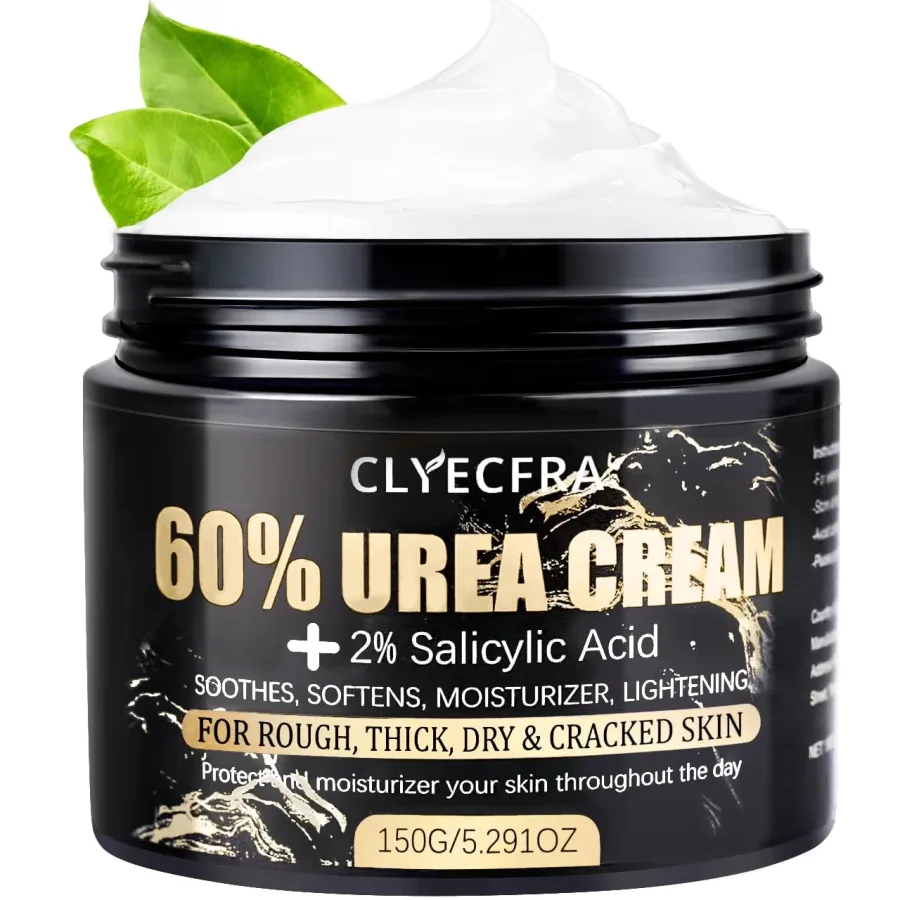
Sixty Percent Is a Significant Step Up
Urea behaves differently at different concentrations, and the jump from 40 to 60 percent is not merely incremental.
At low concentrations urea is a humectant, drawing water into skin. Somewhere above 20 percent it becomes keratolytic, breaking the protein bonds that hold thickened dead skin together. Forty percent is firmly in that territory, and 60 percent pushes further still.
That means more aggressive softening of genuinely hardened skin, and correspondingly less suitability for skin that is merely dry. This is a tool for thick callus rather than a daily moisturiser, whatever the product benefits field suggests.
Urea Is Missing From the Active Ingredients Row
Here is the disclosure problem, and it matters more than it might appear.
The product title states 60 percent urea. The item highlight repeats it, describing the cream as maximum strength for rough, dry, thick and cracked skin. Yet the structured active ingredients field names salicylic acid only, twice over thanks to a formatting artifact, with no mention of urea at all.
Both sources are the brand's own, so we treat the 60 percent as stated. But the field that should carry that figure does not, and the only other ingredient named anywhere is jojoba oil in the special ingredients row. Set against the Grocerism cream, which names seven ingredients across both fields, this is thin.
The Volume Field Is Nonsense
The item volume reads 0.29 cubic metres. That is 290 litres, or roughly the capacity of a small domestic water tank.
| Field | Stated value | Assessment |
|---|---|---|
| Product title | 150g | Plausible and consistent |
| Unit count | 5.29 Ounce | 150g converts to 5.29 oz; these agree |
| Item weight | 6.7 ounces | Consistent with packaging plus contents |
| Item volume | 0.29 cubic metres | Absurd; ignore entirely |
| Active ingredients | Salicylic acid | Urea absent despite the 60% headline |
| Special ingredients | Jojoba oil | The only other named ingredient |
Three of the four size figures agree perfectly at around 150 grams, so the quantity itself is not in doubt. Only the volume field is wrong, and it is wrong by a factor of roughly two thousand.
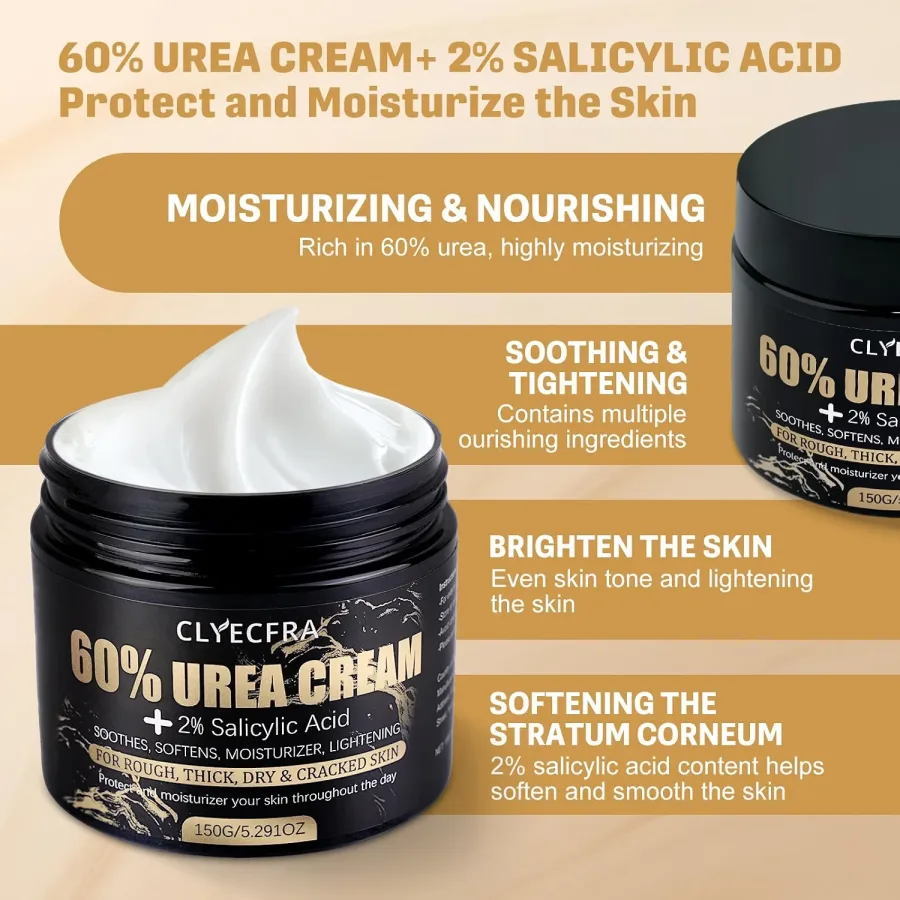
It Is Lighter Than the Strength Suggests
A 60 percent keratolytic sounds like it should be heavy and unpleasant, and the buyer accounts consistently say otherwise.
One reviewer, who says she was reluctant after being disappointed by other products, attests specifically to its non-greasiness and describes it as lightweight, adding that you will not feel like your feet are smothering. That phrase captures the difference from an ointment well.
Nobody in the file reports stinging or burning, which is worth noting at this concentration. Jojoba oil in the formula may be doing some of that work, though with no concentration given we are describing what is named rather than measuring an effect.
The Case for Trying a Sample First
At 150 grams this is a reasonable quantity rather than a trial size, which raises the stakes if the product turns out not to suit you.
The one-star reviewer used it long enough to form a considered view and concluded it did nothing for her. Another buyer describes being reluctant to try it at all after previous disappointments. Between them they describe the risk any unfamiliar brand carries at this price point.
There is no smaller format mentioned anywhere in the listing, so the choice is the full jar or nothing. Given the thin rating count and the disclosure gaps, anyone uncertain might reasonably start with one of the better-documented 40 percent creams and escalate only if that proves insufficient.
The Dissenting Review Raises a Real Question
The single one-star account in the file is specific rather than vague, and it deserves reporting properly.
That Arabic-language reviewer says it is just a lotion, and that she could not even detect the smell of urea in it. Her comparison is a cream she had previously been prescribed by a dermatologist, which she describes as feeling entirely different on the skin, turning it to silk.
Urea does have a detectable character at high concentrations, so her observation is not unreasonable. Set against the absence of urea from the active ingredients row, it is the sort of doubt a better-documented listing would have prevented. We have no way to resolve it either way.
Hands and Knuckles as Well as Feet
The most vivid account in this file is not about feet at all.
A reviewer describing years in a blue collar position says his knuckles had become so dry and cracked that they looked like canyons between the skin, and that he had tried every lotion available including diabetic lotions. He reports this working where those did not.
The item highlight explicitly names feet and hands, so this is within the intended scope rather than an off-label discovery. Knuckles develop thickened, cracked skin through repeated flexing and exposure, which is the same structural problem as heels even though the cause differs.
Building a Routine at This Strength
A 60 percent keratolytic rewards a more careful approach than a moisturiser does, and the accounts describing good results share habits worth copying.
- Apply to intact hardened skin rather than into open cracks, which need sealing first
- Target the callused areas specifically instead of coating the whole foot
- Use it once daily to begin with rather than twice, and see how your skin responds
- Follow with socks overnight, which holds the cream against the thickest skin
- Remove what has been loosened with a pumice once or twice weekly, not daily
- Stop and reassess if you feel stinging, which nobody in this file reports but which is possible at this strength
The reviewer describing a summer preparation routine is explicit that improvement came with continuous use rather than a dramatic first application, which is the realistic expectation to carry into it.
Salicylic Acid at Two Percent
The second active is the one the listing actually names, and it is worth understanding what it contributes alongside the urea.
Salicylic acid is oil-soluble, which lets it penetrate into the gaps between surface skin cells and loosen the cement holding them together. Urea dismantles the protein structure from within. The two therefore work on different parts of the same problem rather than duplicating each other.
Two percent is the concentration the whole category has converged on, appearing identically on the 40 percent creams we have examined. What varies between products is the urea figure and the supporting formula, not the acid.
Results Take Consistency, Not a Single Application
The accounts reporting the strongest outcomes all describe continued use rather than an overnight change.
One buyer preparing her feet for summer says it starts softening hard calloused skin that does not want to budge, and specifies that it is with continuous use that the rough areas improve. A four-star reviewer describes years of rough, dry, cracked skin transformed after using the cream consistently.
That framing is more reliable than the instant-result claims some products attract. A keratolytic thins hardened skin progressively, layer by layer, and the timescale is measured in weeks rather than days for genuinely thick callus.
Sudden Dryness After Forty
One reviewer identifies a trigger that catches a lot of people unprepared.
She explains that she is over forty, that her skin started getting extremely dry, flaky and unrecognisable in a way that had never happened before, and that nothing she tried improved it. She describes this product as changing everything.
Skin retains less water as it ages and produces less of the lipid that holds it there, so people who never needed a foot product suddenly do. That is worth knowing simply because it explains why an approach that worked for years stops working, which is more useful than any single product recommendation.

Preparing Feet for Sandal Season
One reviewer frames her purchase around a deadline rather than a condition, which is how a good many people in this category shop.
She describes getting her feet ready for summer, says she wishes she had taken a before photograph, and reports it working on hard calloused skin that did not want to budge. Her qualification is that the improvement came with continued use rather than immediately.
That timing matters practically. If you are working toward an event or a season, a keratolytic needs weeks rather than days to thin genuinely hardened skin, so starting a fortnight beforehand is the difference between a result and a disappointment. Buying in a panic the week before is how people conclude these products do not work.
Sixty Percent Against Forty Percent
The obvious question is whether the higher concentration is worth seeking out, and the honest answer is that it depends on your feet.
- Thick, long-standing, genuinely hardened callus benefits from the higher strength
- Moderately rough heels are well served by 40 percent and may find 60 unnecessary
- Merely dry skin needs neither, and an emollient will be more comfortable
- Sensitive or reactive skin should start lower rather than higher
- Broken or bleeding cracks need sealing before any keratolytic is applied
We have reviewed the 40 percent alternatives from OUKEYA and Ebanel, and at the opposite end our review of the La Roche-Posay Lipikar Urea 10 percent lotion covers a concentration intended for daily body use.
What 1,757 Ratings Can and Cannot Tell You
This is by a wide margin the smallest evidence base in this comparison, and that should shape how confidently anyone reads its 4.4 average.
For context, the Aquaphor ointment here carries fifty times as many ratings and the Gold Bond cream fifteen times. A four-figure count means the listing is established rather than brand new, but it has been tested across a far narrower range of feet, climates and expectations.
Combined with the disclosure gaps, the sensible position is that this looks promising rather than proven. If certainty matters more to you than concentration, the 40 percent creams have considerably deeper records behind them.
Unbranded Sellers and What That Changes
Clyecfra is not a name most buyers will recognise, and that is worth addressing directly rather than treating as a mark against the product.
A good deal of this category consists of similar formulations sold under unfamiliar brand names, competing largely on concentration and price. That model can produce genuinely effective products, since the chemistry is well understood and inexpensive to make properly.
What it tends not to produce is careful listing data, and this page is a clear example. The absent urea field, the nonsensical volume figure and the duplicated salicylic acid entry all point at a listing assembled quickly. That affects how much you can verify before buying, which is a real cost even if the cream itself performs.
Comparing Texture Across the Category
Foot products divide into three textures, and knowing which you prefer narrows the choice faster than comparing actives does.
Ointments sit on the surface, last for hours and feel greasy, which is the trade for their staying power. Rich creams absorb partially and feel substantial without being slick. Lighter creams like this one absorb more fully, which buyers here consistently praise.
The trade-off is that a lighter texture spends less time in contact with the skin. On thick callus that matters less than it would on a crack you are trying to seal, which is another reason to match the format to the problem rather than buying the strongest option available.
Who the 60 Percent Formula Suits
The Clyecfra 60 percent urea cream suits anyone whose callus has resisted 40 percent formulas, and anyone with thickened skin on hands or knuckles as well as feet, which the highlight explicitly covers.
It is also the sensible choice for anyone who needs to treat feet and hands from one jar, since 150 grams covers both and the highlight is written for exactly that use.
Its lightweight, non-greasy texture is a genuine advantage over ointments for anyone who dislikes that smothered feeling. If you want a better-documented formula at a lower strength, the Ebanel 40 percent urea cream is the more established alternative.
Look elsewhere if your skin is simply dry rather than hardened, if you want a full ingredient list before buying, or if you need the reassurance of a large rating count. Our guide to the best skincare products for dry skin covers gentler routes.
When Nothing Else Has Worked
A theme runs through the positive accounts here that is worth isolating, because it describes the buyer this product actually serves.
The blue collar reviewer had tried every lotion available including diabetic formulations. The woman over forty says nothing she tried improved her sudden dryness. The four-star reviewer describes years of rough, cracked skin that nothing addressed long term. A fifth says she was reluctant after being disappointed by other products.
Four of six genuine reviewers arrived here having already failed elsewhere. That is a meaningfully different population from people trying their first foot cream, and it explains both the enthusiasm of the positive reviews and why a higher concentration exists in the first place.
What the Benefits Field Does Not Tell You
The listing gives exfoliating, moisturising and soothing as its product benefits, and that framing understates what a 60 percent keratolytic actually is.
Soothing in particular sits oddly on a product this strong. Nothing in the file contradicts it, since no reviewer reports discomfort, but it reads as language borrowed from gentler moisturisers rather than an accurate description of the mechanism.
The more useful description is the one in the highlight: maximum strength, for rough, dry, thick and cracked skin, and a callus remover. That is what the concentration implies and what the buyer accounts describe, and it is the framing to buy on.
Maximum Strength Verdict
On performance, the accounts here are encouraging. Buyers with genuinely difficult skin, including a manual worker whose knuckles had cracked open and someone whose feet changed suddenly in her forties, report results where other products failed them. The texture is lighter than the strength implies.
The gap between those two assessments is the whole story of this product. A cream that several people with genuinely difficult skin credit with working, sold through a page that cannot correctly state what is in it or how much of it you get.
On documentation, it is the weakest listing in this batch. Urea is absent from the field that should name it, only one other ingredient is disclosed, the volume figure is off by three orders of magnitude, and one buyer doubts the urea content outright.
If 40 percent has not worked for you and you want more, this 60 percent formula is a reasonable next step at a sensible 150 gram size. If you are choosing your first urea cream, the Clyecfra listing asks you to take more on trust than the better-documented alternatives do.
Confirmed
- Sixty percent urea, half as strong again as the category standard, for stubborn callus
- Consistently described as lightweight and non-greasy despite the concentration
- Works on cracked knuckles and hands as well as feet, per the highlight and buyers
- Nobody in the review file reports stinging or irritation at this strength
Flagged
- Urea is absent from the active ingredients field despite being the headline claim
- Only jojoba oil is named besides salicylic acid; no other ingredients disclosed
- Item volume field reads 0.29 cubic metres, wrong by roughly a factor of two thousand
- Just 1,757 ratings, the thinnest evidence base in this comparison
Specification
Verified Against 2 Rivals
This Product
60% Urea Cream for Feet with 2% Salicylic Acid for Deep Hydration, 150g
8.2 / 10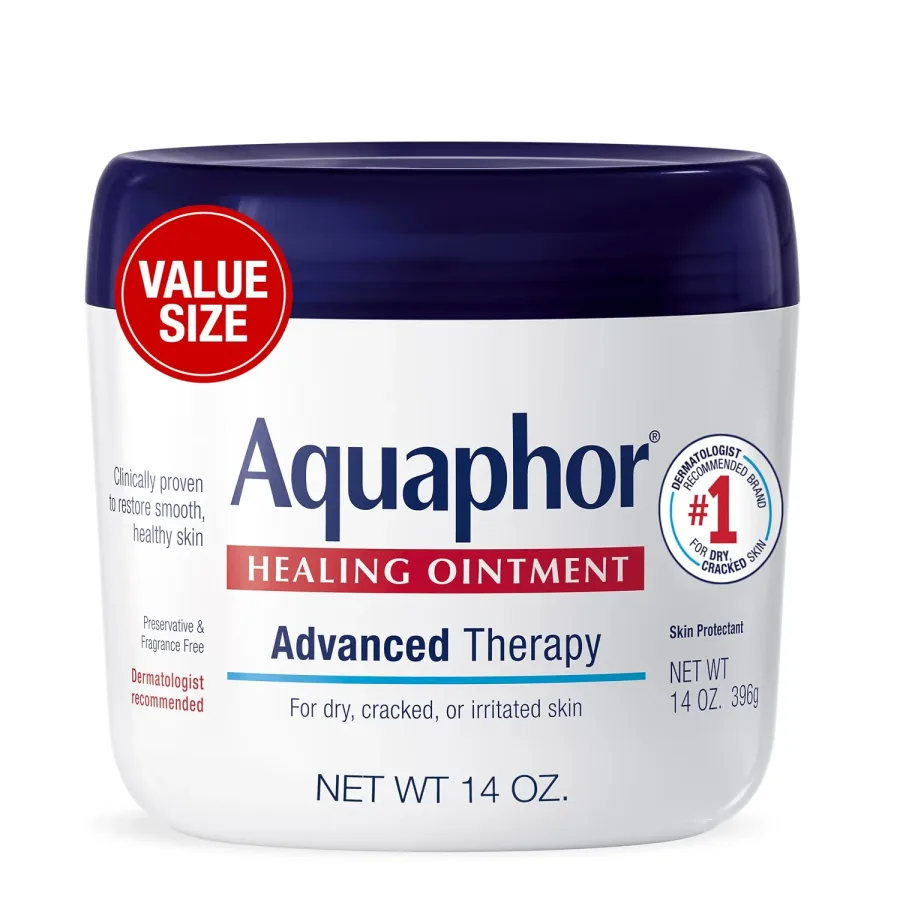
Aquaphor Advanced Therapy Healing Ointment Skin Protectant, 14 oz
9.0 / 10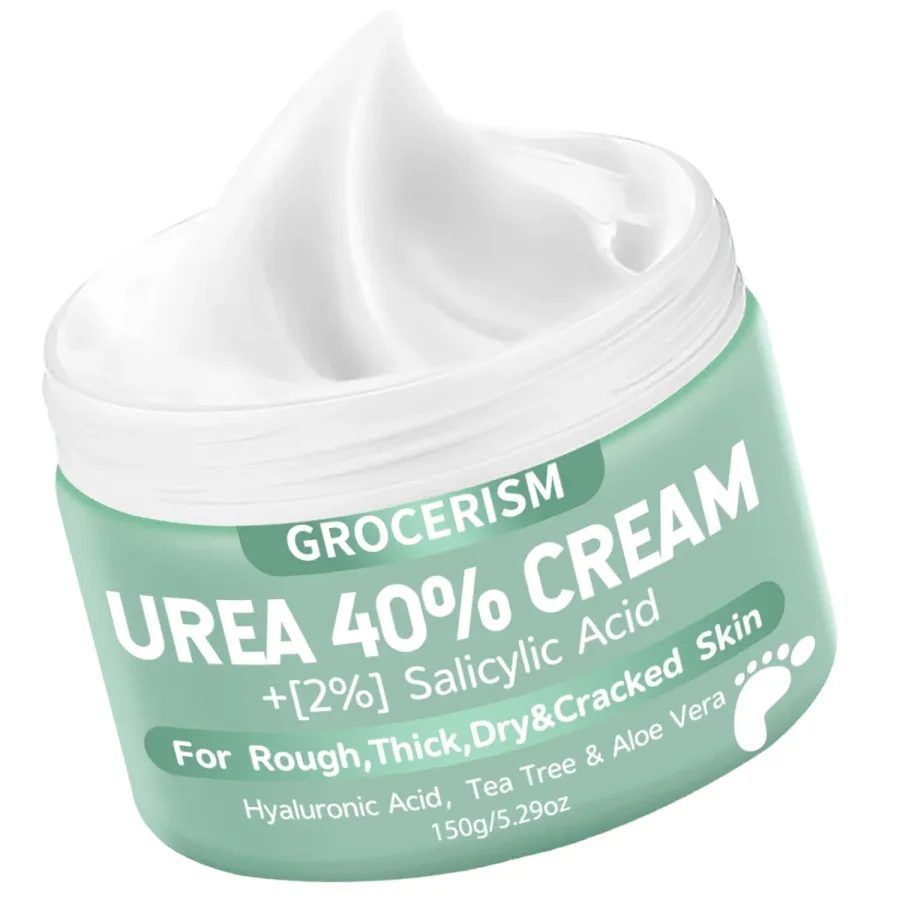
Grocerism Urea Cream 40% for Feet, Maximum Strength Hand & Foot Cream, 5.29 oz
9.0 / 10How This Score Was Earned
We Purchase
Bought at retail, anonymously, with our own funds.
We Live With It
A minimum of four weeks of daily use before a word is written.
We Measure
Weighted criteria, identical for every product in the category.
We Re-Verify
Rankings are revisited weekly; scores fall when products do.
 Verified Examiner
 The Verified Verdict
A step up from the 40 percent standard, with a texture lighter than the strength suggests and convincing accounts from people with genuinely difficult skin. The listing is the weakest documented here, omitting urea from its own ingredients field.
Check Price on Amazon →$10–$17 · price verified today
Common Questions