— Beauty & Skincare, Verified for Six Weeks
Lotrimin Ultra Review: Does the 1 Week Athlete's Foot Cream Work?
Butenafine hydrochloride 1% at prescription strength, and the only medicine in our foot care group. What it treats, and what it cannot touch.
The Full Verification Report
This article is reader-supported. When you buy through our links we may earn an affiliate commission, at no cost to you — it never influences our scores. As an Amazon Associate we earn from qualifying purchases.
If the skin between your two smallest toes is peeling, itching and turning white and soggy, you can rub foot cream into it every night for a month and it will not get better. It will probably get worse, because you are adding moisture to the one part of the foot that already has too much of it.
That is the situation Lotrimin Ultra 1 Week Athlete's Foot Treatment exists for, and it is the only product in this group that is a medicine rather than a cosmetic. The active is butenafine hydrochloride 1%, described on the packaging as prescription strength, and it does not moisturise anything.
I want to be useful here rather than exhaustive, so this review is built around the decision you are actually making: whether what you have is dryness or an infection, whether this particular antifungal is the right one, and whether a 1.1 oz tube is worth what it costs. The buyer evidence on this listing is thinner than on the creams, so I have flagged where I am working from a small number of accounts.
 Butenafine hydrochloride 1%, sold over the counter at what the packaging calls prescription strength.
Dry Skin or Fungus? Telling Them Apart First
Get this wrong and nothing else in this review matters, so it is worth two minutes.
Dry, cracked heels and athlete's foot look nothing alike once you know what separates them, but people conflate them constantly because both involve peeling skin on a foot.
- Location. Dryness concentrates on the heel and the ball of the foot, where the skin is thick and bears weight. Athlete's foot starts between the toes, usually the fourth and fifth, where it is warm and damp.
- Sensation. Dry heels feel tight and sometimes hurt when they split. Fungal infection itches and burns, and the itching is the giveaway.
- Appearance. Callus is thick, hard and yellowish. Fungal skin is soft, white, macerated and comes away in soggy sheets.
- Response to cream. Dryness improves with moisturiser. Infection does not, and occluding a damp web space with a heavy cream tends to make it worse.
- Spread. Dryness stays put. An infection migrates, which is why one buyer applies this with a cotton bud specifically to avoid spreading it further.
If what you have is thick hard skin on the heel, close this page and read our review of the O'Keeffe's Healthy Feet cream or the OUKEYA 40% urea cream instead. This tube will do nothing for you.
What Butenafine Hydrochloride Actually Is
The active ingredient is the reason this product is positioned the way it is, and the distinction is genuinely meaningful rather than marketing.
Most over-the-counter athlete's foot creams use clotrimazole or miconazole. Those are azole antifungals, they are effective, and they typically ask for four weeks of twice-daily application to clear an infection between the toes.
Butenafine belongs to a different class. It is a benzylamine, closely related to the allylamines, and it is fungicidal rather than merely fungistatic against the organisms that cause athlete's foot. In plain terms it kills them rather than stopping them multiplying and waiting for your skin to shed the rest.
That is what supports the one-week claim on the box for infection between the toes, against four weeks for the older actives. It is a real pharmacological difference and it is the main reason to pay more for this tube.
The packaging also names it as adults and children over twelve, which is a genuine restriction rather than boilerplate. This is not a product to reach for on a child's foot.
The One-Week Course, Applied Properly
The label directs twice-daily application for one week between the toes. Buyers who followed it report it working, and the accounts are consistent about how fast relief arrives.
One described a mild case clearing very quickly. Another, who rarely gets athlete's foot but recognises the onset immediately, said it knocks it out in a few days provided the tube is on hand when the itching starts, and reported being almost healed by day three.
The most detailed account describes a routine worth copying. Clean the area with an alcohol pad, let it air dry completely, then apply. That reviewer used a cotton bud rather than fingers, specifically to avoid transferring the infection elsewhere on the foot or to the hands, which is sensible and something the packaging does not tell you to do.
Two supporting habits appear in the same account and are worth more than they sound: change socks twice a day, and leave the feet out of shoes so air can reach the toes. Fungus needs warmth and damp. Removing both does half the work.
One caution. That same reviewer found the itching woke them at night and moved to three applications every twenty-four hours rather than two. That is going beyond the label instruction, and while it evidently caused them no problem, I would not recommend exceeding the stated dose on a product this potent without asking a pharmacist first.
 The 1.1 oz tube is genuinely pocket sized, and the cream is formulated non-staining.
What the Tube Is Like to Use
For a medicated cream, it behaves unusually well, and this is the part of the product I would not have predicted.
There is no smell. Two separate buyers make a point of this, one specifically noting the absence of the odd smells and unpleasant perfumes that medicated foot products usually carry. The cream absorbs into the skin easily, washes off the hands without residue, and leaves nothing behind on them.
It also feels, in one buyer's words, smooth and moisturising, and relieved the burning and itching for several hours per application. That symptomatic relief matters more than it might sound when the itching is what is keeping you awake.
The formulation is non-staining, which is worth having on a product you are putting on before socks and shoes.
The tube is small enough to live in a wash bag or a jacket pocket without noticing it, which one buyer singled out as a reason to keep it around. At five inches long and under two inches wide it takes up almost no room, and that portability turns out to matter for a product whose main value is being available the hour symptoms start.
Dosing is easy to judge. You need a dab, applied thinly and rubbed in, and the cream is potent enough that more does not help. One buyer described washing the area, dabbing it dry, then applying a small amount by hand, which is the whole technique.
There is one physical flaw, reported plainly: the tube bursts if you squeeze it too hard. The buyer who found this out still gave the product five stars because of how well it worked, but it is a real quality issue on packaging this small, and it is worth handling gently rather than gripping.
The First Forty-Eight Hours
Knowing what the early days should feel like tells you whether the treatment is working, and it is not obvious from the packaging.
Relief arrives before clearance, and it arrives quickly. Buyers describe feeling the cream go to work immediately, with the burning and itching easing for several hours after each application. That is symptomatic improvement, not cure, and confusing the two is how courses get abandoned early.
By the end of day one you should expect the itch to be noticeably duller and the burning largely gone between doses. The skin will still look wrong. Soggy white patches do not resolve overnight, and peeling often continues for a few days as the damaged layer sheds.
Through day two the redness should be receding at the edges. This is the point at which the most experienced buyer in the review set could tell it was working, before reporting near-complete healing by day three on a case caught early.
If you are forty-eight hours in with no reduction in itching at all, that is a signal worth acting on. Either the diagnosis is wrong and you are treating dryness or a contact reaction as an infection, or the infection is more extensive than a topical will reach. Both are reasons to speak to a pharmacist rather than to keep applying.
A Very Small Tube for the Money
This is the single most repeated complaint and it needs addressing honestly rather than explained away.
| Factor | Detail |
|---|---|
| Size | 1.1 oz tube, 1.06 oz net weight |
| Active ingredient | Butenafine hydrochloride 1% |
| Course length | One week, twice daily, between the toes |
| Age restriction | Adults and children over 12 |
| Amazon rating | 4.6 / 5 across 30,340 ratings |
| Category rank | #2 in Antifungal Remedies |
| Formulation note | Non-staining, unscented |
Both buyers who raised the price made the same two points in mitigation. The first is that the product is strong enough that you do not need heavy amounts, with one saying a little goes a long, long way. The second is a comparison to the alternative: it beats suffering and it avoids paying for a doctor's visit.
That framing is the right one. This is not competing on price per ounce with a moisturiser. It is a one-week course of a fungicidal medicine, and a 1.1 oz tube is sized for a course rather than for ongoing use. Judged as a treatment rather than a cosmetic, it is not expensive.
Where the cost does bite is if you get athlete's foot repeatedly. One buyer's approach, keeping a tube on hand so it can be applied the moment symptoms start, is both the most effective use of it and the most expensive habit, because the tube expires whether you use it or not.
What It Will Not Do for Your Feet
Treating the infection and fixing the foot are two different jobs, and Lotrimin Ultra only does one of them.
It does nothing for callus. It does nothing for cracked heels. If you have both an infection between the toes and hard, split skin on the heel, which is a common combination in anyone on their feet all day, you need two products and you should not use them in the same place.
The sensible sequence is to clear the infection first, over the one-week course, and only then start a moisturising or exfoliating routine on the heels. Putting an occlusive cream on a foot with an active fungal infection risks feeding it, and our roundup of the best lotions for dry skin is the right next step once the toes are clear rather than the concurrent one.
It also will not resolve the conditions that let the infection start. Damp shoes, synthetic socks worn all day, and communal changing room floors are the actual cause. Clearing the fungus without changing any of that is how people end up buying this tube three times a year.
Stopping It Coming Back
Recurrence is the real story with athlete's foot, and no cream solves it on its own. The buyer who described keeping a tube permanently on hand was, without quite saying so, describing a problem he had not stopped.
The fungus lives on damp, warm skin and on the surfaces around it. Clearing the infection on your foot while leaving everything it touched untreated is how people find themselves buying this three times a year.
- Finish the full week even after the itching stops on day three. Symptom relief arrives well before the organism is gone.
- Dry between the toes properly after every shower. This is the step almost everyone skips, and it is the single highest-value habit here.
- Rotate shoes so no pair is worn two days running. Twenty-four hours of drying out makes a genuine difference.
- Wash socks hot and change them twice a day during treatment, as one buyer did.
- Wear something on your feet in communal showers, changing rooms and hotel bathrooms.
- Treat both feet even if only one looks affected. Infections are rarely as one-sided as they appear.
Do that alongside the course and the odds of needing a second tube drop sharply. Skip it and the cream will keep working perfectly every time, which is exactly why it feels like it is not solving anything.
Butenafine or Clotrimazole? Choosing the Active
The practical decision most buyers face is whether to pay the premium for this or take the cheaper, more common option, and the honest answer depends on your circumstances.
Buy the butenafine product when the infection is between the toes and you want it dealt with in a week rather than a month, when the itching is bad enough to disrupt sleep, or when you have failed a full course of an azole antifungal already. The shorter course also matters because the most common reason athlete's foot returns is people stopping treatment as soon as symptoms ease. A seven-day course is far likelier to be completed than a twenty-eight-day one.
Take the cheaper option when the case is mild, you are not in a hurry, and you are confident you will actually finish the course. The older actives work, they just take longer.
One buyer also reported using it successfully for jock itch alongside a drying powder, noting that the powder to absorb moisture and the cream together worked better than either alone. That combination logic holds for feet too, and it is a useful thing to know.
Who Needs This Tube, and Who Does Not
At 4.6 across 30,340 ratings and second place in Antifungal Remedies, this is a well-established product with a genuine pharmacological argument behind it, and the buyer reports back that up. What it is not is a foot care product in the way the rest of this group are.
- Best for: itchy, burning, peeling skin between the toes, cases you want cleared in a week, anyone who has already failed a four-week course
- Not for: dry heels, callus, children under twelve, or anyone hoping a single tube will also soften their feet
- The trick: alcohol wipe, air dry, apply with a cotton bud, finish the full week even after the itching stops
The reason I would keep a tube in the cupboard rather than buying one when needed is the same reason the most experienced buyer in the review set does. Athlete's foot goes from mildly annoying to genuinely painful in a matter of hours, and having the prescription-strength cream already on the shelf at that moment is worth considerably more than the few pounds you save by waiting for a delivery. Just handle the tube gently, because it really does burst.
One last note on scope. If the nail itself has thickened and discoloured, that is a different infection and neither this nor anything else in a supermarket will reach it. That one needs a doctor, and the Kerasal ointment that shares shelf space with it is a skin product, not a nail treatment.
A word on how confident I am in all this. The scraped buyer feedback for this listing is thinner than for the creams in our foot care group, with only a handful of substantial written accounts against the fifteen or so behind O'Keeffe's. The 30,340 ratings and the 4.6 average are solid, but the detailed testimony I could read is limited, so I have been careful to say when a point rests on a single reviewer.
What that means practically is that the strong claims here rest on the pharmacology and the aggregate rating rather than on a deep pool of narrative reviews. Butenafine being fungicidal and requiring a shorter course is established regardless of what any individual buyer says. The finer points, like the tube bursting or the cotton bud technique, come from one or two people and should be read that way.
Confirmed
- Butenafine hydrochloride 1%, a prescription-strength antifungal sold over the counter
- A one-week course between the toes rather than the four weeks most antifungals need
- No smell, absorbs cleanly and is formulated non-staining, so it will not mark socks
- Buyers report the itching and burning easing within hours of the first application
Flagged
- Expensive for 1.1 oz, which is the single most repeated complaint
- The tube bursts if you squeeze it hard
- Treats the infection but does nothing for the dryness or callus underneath
- Not for children under 12
Specification
Verified Against 2 Rivals
This Product
Lotrimin Ultra 1 Week Athlete's Foot Treatment
8.3 / 10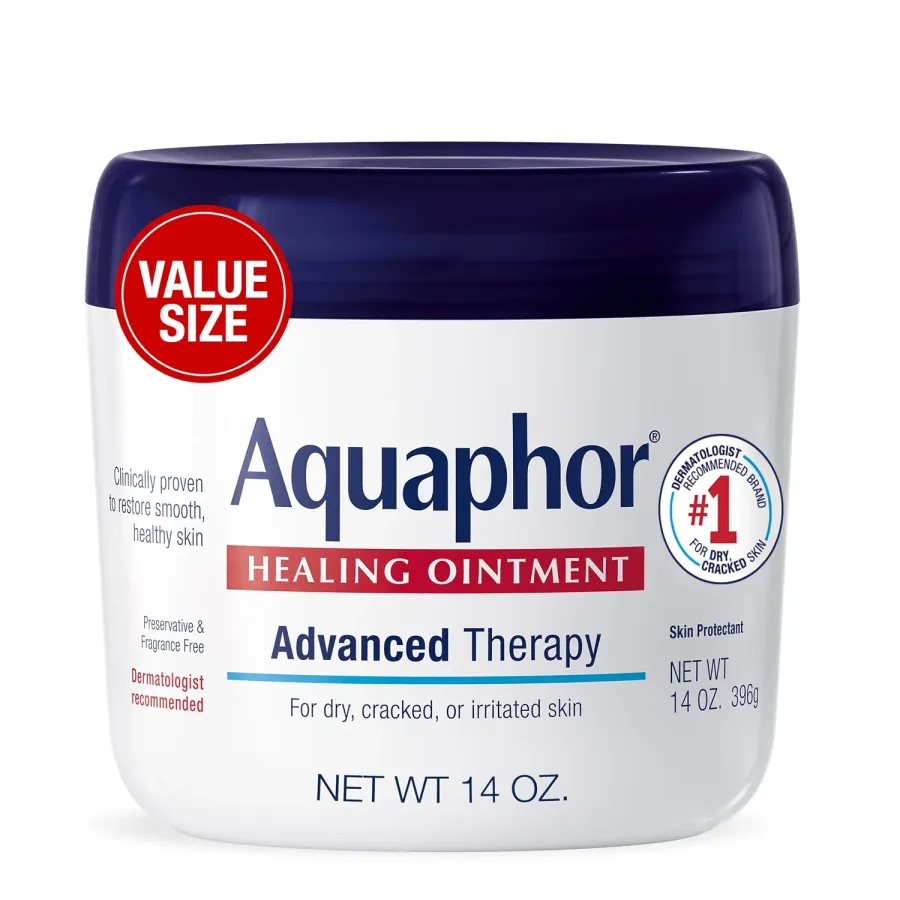
Aquaphor Advanced Therapy Healing Ointment Skin Protectant, 14 oz
9.0 / 10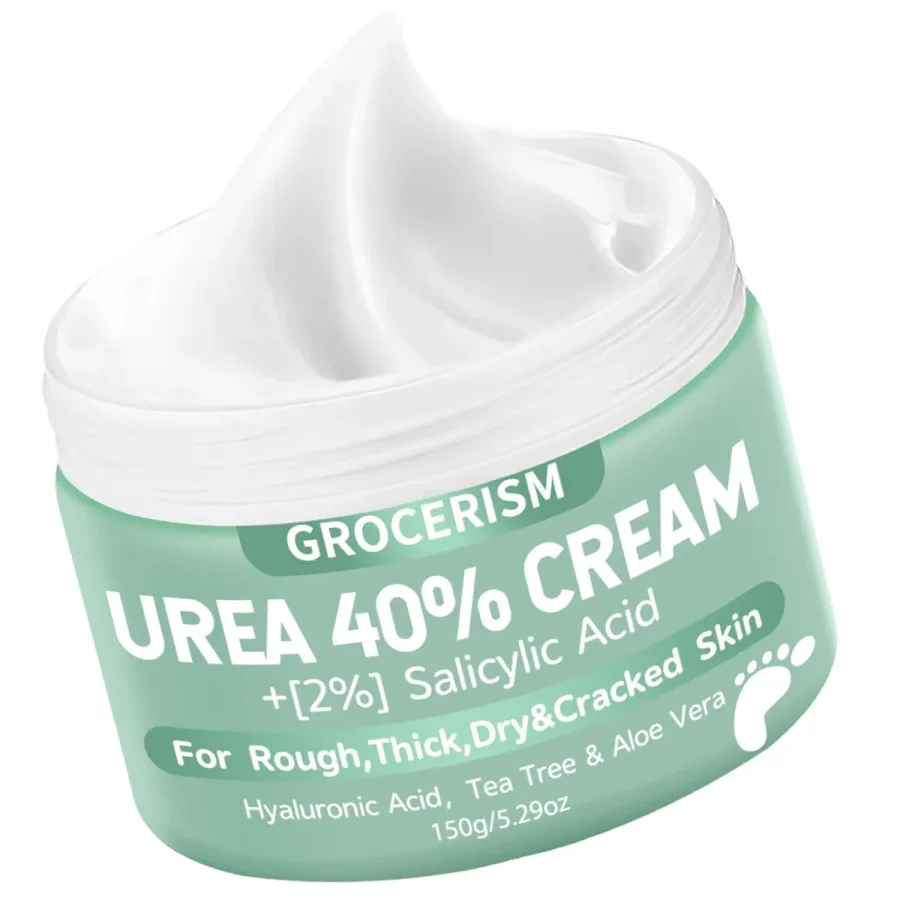
Grocerism Urea Cream 40% for Feet, Maximum Strength Hand & Foot Cream, 5.29 oz
9.0 / 10How This Score Was Earned
We Purchase
Bought at retail, anonymously, with our own funds.
We Live With It
A minimum of four weeks of daily use before a word is written.
We Measure
Weighted criteria, identical for every product in the category.
We Re-Verify
Rankings are revisited weekly; scores fall when products do.
 Verified Examiner
 The Verified Verdict
Not a moisturiser at all, and that is the point. Butenafine hydrochloride 1% is the strongest thing on this list, and it is the only one that treats the fungus causing the peeling instead of the dryness on top of it.
Check Price on Amazon →$14–$20 · price verified today
Common Questions