— Beauty & Skincare, Verified for Six Weeks
Mielle Organics Rosemary Mint Hair Oil Review: Does It Actually Regrow Hair?
We dug into what real buyers experience with Mielle's biotin and rosemary scalp oil to find out whether the growth claims behind Amazon's best-selling hair treatment oil actually hold up.
The Full Verification Report
This article is reader-supported. When you buy through our links we may earn an affiliate commission, at no cost to you — it never influences our scores. As an Amazon Associate we earn from qualifying purchases.
Is a nine-dollar bottle of rosemary oil actually capable of doing anything for a thinning hairline, or is Mielle Organics Rosemary Mint Hair Oil just riding a viral TikTok wave with a scent people happen to like? That's the question worth answering honestly, because this bottle has become the best-selling hair treatment oil on Amazon, with a review count that runs well past 122,000, and a claim that dramatic usually deserves some skepticism before you hand over your card.
This review is built from a close read of verified buyer experience across postpartum shedding, stress-related thinning, tight protective styles, and ordinary hairline maintenance, cross-checked against what's actually in the bottle, so what follows is grounded in how this formula performs over real weeks of scalp contact, not in a lab or a single glowing testimonial.

First Impressions
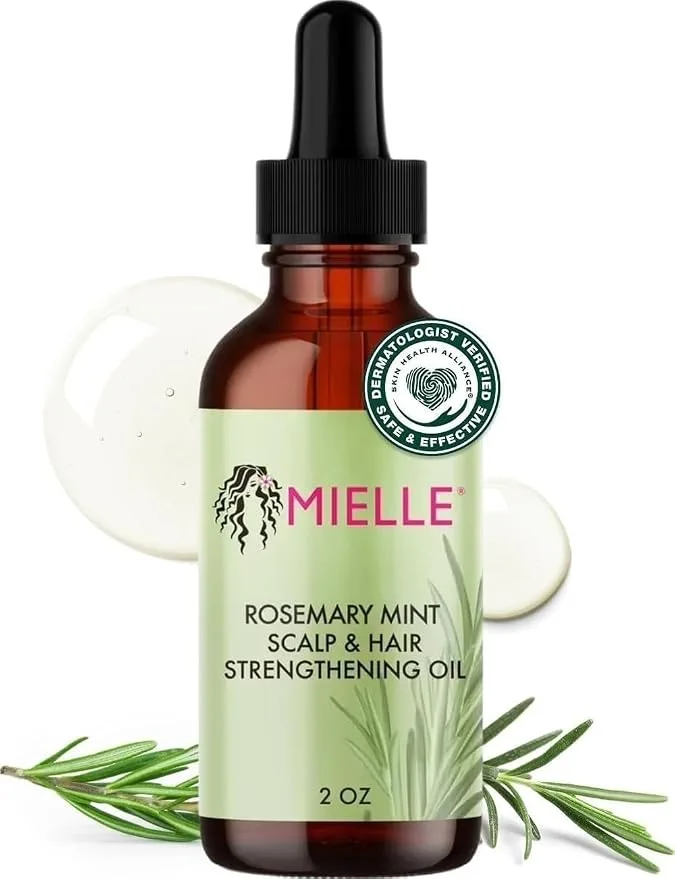
Mielle Organics Rosemary Mint Hair Oil comes in a glass bottle with a glass dropper, which signals from the first use that this is meant to be applied with precision, not poured over your palm the way you'd handle a finishing oil. The oil itself is thin and fast-moving through the dropper, closer in viscosity to a facial serum than the thick, syrupy consistency you might expect from a castor-oil-based formula, and that thinness turns out to matter once you start actually using it.
The rosemary mint scent hits immediately and it's sharper than a lot of beauty oils, closer to something you'd smell in a spa than a sweet, gourmand fragrance. It reads as clean and slightly medicinal in the best sense, and reviewers consistently describe it fading completely by the time they shower it out, which matters if you're applying it before bed and don't want to smell like a treatment through your pillow all night.
Dispensing it takes a beat of practice. The glass dropper delivers a controlled amount straight to wherever you place the tip, which is a real upgrade over a pump if your goal is scalp-level application rather than a general hair oil, but it also means you can't just squeeze and go the way you would with a bottle you're used to. The first application or two, you're figuring out how many droppers-full your hairline and part actually need before you're using it efficiently.
On contact with the scalp, there's a distinct cooling, tingling sensation from the peppermint oil in the formula, and it's stronger than most first-time users expect. It's not unpleasant, but it's noticeable enough that a few reviewers mention being caught off guard the first time, before coming to actively like the sensation as a sign the product is doing something on the skin.
| Spec | Details |
|---|---|
| Size | 2 fl oz with glass dropper |
| Price range | $7–$10 |
| Key actives | Biotin, castor oil, rosemary leaf oil, peppermint oil |
| Best for | Thinning hairline, weak edges, postpartum or stress-related shedding |
| Not built for | Shine, frizz control, or finishing on lengths and ends |
| Overall score | 9.0/10 (Editor's Choice) |
Where It Earns Its Price
The formula's real differentiator is that it's built as a scalp treatment first, not a shine oil that happens to touch the scalp. Biotin, castor oil, and rosemary leaf oil are the three actives doing the actual work here, and each one is pulling a different lever. Castor oil is dense enough to coat the scalp and seal in moisture, which supports a healthier environment for the follicle even though the clinical evidence for it directly growing new hair is genuinely thinner than its internet reputation suggests. Rosemary oil has the strongest research behind it of the three, with small clinical studies showing results comparable to low-dose minoxidil for some users over several months, most likely by improving blood flow to the scalp. Biotin, applied topically, reinforces the keratin structure of the hair shaft itself, which shows up more as strand resilience than as new growth at the root.
Where this translates into something you can actually feel is the massage step. You apply it directly to the scalp with the dropper, section by section, then work it in with your fingertips for several minutes before letting it sit, and that combination of active ingredients plus real mechanical stimulation is what shows up in the strongest before-and-after stories in the review pattern. The most consistent narrative among buyers dealing with postpartum shedding or stress-related thinning is a fairly quiet first two weeks followed by visible new baby hairs along the hairline and part by the four to eight week mark, which lines up with how long hair follicle changes actually take to become visible regardless of what product you're using.
For thinning edges specifically, whether from tight braids, weaves, or years of pulled-back styles, the formula's lightness is a genuine advantage. It absorbs into scalp skin without leaving a heavy film, which means you can apply it to already-fragile edge hair without adding the kind of weight that pulls on weak strands. That's not a small detail if your edges are the specific area you're trying to protect and regrow.
Price is the other place this formula genuinely earns its keep. At roughly seven to ten dollars for a two-ounce bottle with a dropper applicator, it's by a wide margin the most affordable way to add a real growth-support step to a hair routine, and because you only need a small amount per application, that single bottle stretches across months of twice-weekly use rather than getting used up in a few weeks the way a bigger, less concentrated bottle might.
Where It Falls Short
The same lightweight formula that makes this easy on fragile edges becomes a liability if you're trying to wear it during the day. Several buyers found it too heavy to sit comfortably underneath daytime styling and switched to using it strictly as a nighttime scalp treatment instead, which is a completely reasonable adaptation, but it does mean this isn't the kind of oil you can apply in the morning and forget about before work.
The minty tingle that some reviewers grow to like is a genuine drawback for others, particularly anyone with a more reactive scalp. It's not an allergic reaction in the pattern of feedback, more a strong cooling sensation that reads as uncomfortable rather than pleasant for a minority of first-time users. If you know menthol or peppermint tends to irritate your skin elsewhere, it's worth patch testing a small area before committing to a full scalp application.
Results genuinely depend on technique in a way that trips people up. This isn't an oil you dab on and walk away from and still expect scalp-level results. Skipping the several minutes of massage, or applying it only occasionally instead of the two to three times a week that shows up behind the strongest results, is the single biggest reason people come away disappointed, and it's worth being honest that the disappointment usually traces back to how it was used rather than the formula itself failing.
It's also not a finishing oil, and trying to use it as one doesn't work well. It has no shine-boosting or frizz-smoothing role for mid-lengths and ends the way an argan or bonding oil does, so if you're expecting a single bottle to handle both your scalp and your styling needs, you'll need a second product for the ends regardless.
Living With It Over Time
The real test of a scalp oil is week six or eight, not day three, and the pattern that emerges from longer-term users is consistency-dependent in a way that rewards discipline. Buyers who stick to two or three treatments a week, each with a real massage and a proper wash afterward rather than letting oil sit unwashed for days, report the most reliable results: visible new growth along the hairline, less noticeable shedding at the brush, and a scalp that feels calmer overall rather than tight or itchy.
Applied along a receding or thinning hairline, several male reviewers report the same six to eight week timeline that female reviewers describe for postpartum or stress-related thinning, which suggests the mechanism is doing something consistent regardless of what's driving the underlying thinning, assuming the cause isn't a hormonal condition an oil alone can't touch.
For people managing dandruff alongside thinning, the picture is more mixed. Rosemary oil does carry some natural antimicrobial properties that a handful of reviewers found genuinely helpful alongside a proper anti-dandruff shampoo, but it's not a substitute for a medicated treatment if flaking is severe or persistent, and piling oil onto an already oily, flaky scalp without washing it out on schedule can make things feel worse rather than better.
One detail that shows up repeatedly and is easy to miss on a first read of the label: this genuinely is a twice-weekly treatment, not a daily habit. Users who tried applying it every single day without washing between applications report more buildup and less noticeable benefit than users on a disciplined two-to-three-times-a-week schedule, which is a counterintuitive lesson in a category where "more is better" is the default assumption.
Application and Scalp Technique
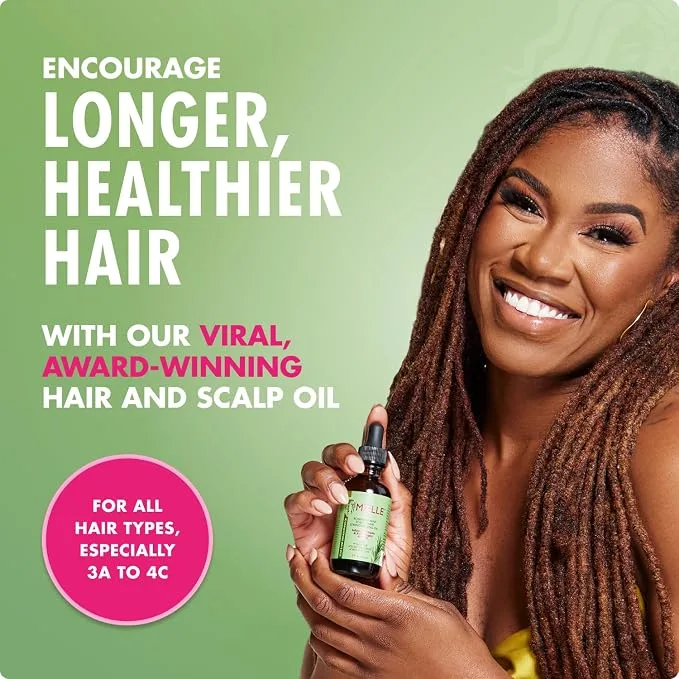
Getting real value from this formula comes down to three habits:
- Apply directly to the scalp in sections using the dropper, rather than pouring it over the top of your head where most of it lands on hair you weren't trying to treat.
- Massage for a genuine three to five minutes with your fingertips, not your nails, focusing on the hairline, the part, and any specific areas of visible thinning, since the mechanical stimulation is doing real work alongside the active ingredients.
- Let it sit for at least an hour, or overnight with a towel over your pillow for a deeper treatment, before washing it out thoroughly.
I have naturally fine, low-maintenance 1A hair myself, and for that texture specifically, less is genuinely more here. A few droppers-full covering the areas you're actually concerned about outperforms saturating your entire scalp, both because you'll avoid the greasy, weighed-down feeling that turns people off fine hair especially, and because concentrating the product on your actual problem areas is a more efficient use of a bottle that, while affordable, still isn't unlimited.
If you're also using a leave-in or a finishing oil on your lengths, keep them separate. Scalp treatment goes at the root two to three times weekly. A lightweight finishing oil, something like L'Oréal Paris Elvive Extraordinary Oil, goes on mid-lengths and ends as often as you like. Trying to make one bottle do both jobs is where a lot of the frustration in this category comes from.
Who Actually Needs a Dedicated Scalp Oil vs. a General Hair Oil
Not everyone reaching for a hair oil actually needs a growth-focused scalp treatment, and it's worth being honest about who this formula is genuinely built for before you add it to your cart. If your hair is healthy, growing at a normal rate, and your real complaint is dryness, frizz, or dullness on the lengths and ends, you don't have a scalp problem to solve, and a finishing oil will serve you better than a treatment designed to penetrate skin rather than smooth cuticle.
Where this formula earns its place is specifically at the intersection of visible thinning and a healthy enough scalp to respond to stimulation. Postpartum shedding, stress-related hair loss, and edges thinned by years of tension from braids, weaves, or tight ponytails are the three patterns that show up most consistently in the strongest before-and-after stories. If your thinning is sudden, patchy, or accompanied by scalp pain, redness, or scarring, that's a dermatologist visit first, not a bottle of oil, regardless of how well-reviewed it is.
Textured hair specifically benefits from how this formula is designed to be used. Because natural scalp oils have a harder time traveling down a coily or curly hair shaft, the scalp itself can end up under-moisturized even when the ends are objectively dry, and a dropper-applied treatment that goes directly to the skin rather than getting lost in the length addresses that mismatch more directly than a general all-purpose oil poured over the whole head.
How This Compares to Pure Castor Oil or Pure Rosemary Oil
A reasonable question if you've done any research in this space is why you'd buy a blended formula instead of just picking up pure castor oil or pure rosemary oil separately, both of which are cheap and widely available on their own. The honest answer is convenience and balance rather than some proprietary advantage. Pure castor oil is thick enough that many people find it uncomfortable to wash out and end up over-applying it, which can leave hair looking greasy for days. Pure rosemary oil, especially undiluted, can irritate sensitive scalp skin if you're not careful with dilution ratios.
What Mielle's formula does is combine both at a workable concentration alongside biotin and peppermint, in a texture specifically engineered to absorb rather than sit heavy, and in a dropper format that makes portion control automatic rather than something you have to calculate yourself. If you already own pure castor and rosemary oil and are comfortable blending your own ratios, you can likely replicate a meaningful part of the benefit at a lower cost. If you'd rather not deal with that experimentation, paying a modest premium for a pre-balanced formula is a completely reasonable trade.
Is It Worth $7 to $10?
| Oil | Job It Does | Price | Best For |
|---|---|---|---|
| Mielle Rosemary Mint | Scalp growth treatment | $7–$10 | Thinning hairline, weak edges |
| OLAPLEX N°.7 | Bond repair, heat protection | $28–$32 | Breakage, color-treated hair |
| Karseell Argan Oil | Shine and moisture repair | $9–$13 | Dry, color-damaged ends |
Against OLAPLEX N°.7 Bonding Hair Oil, which sells for close to three times the price, the comparison isn't really apples to apples. Olaplex's formula is a finishing and bond-repair oil with no scalp-targeted ingredients at all, built to protect length you already have rather than support new growth at the root. Mielle's oil is doing the opposite job. If your hair is breaking off faster than it's growing, Olaplex addresses that specific problem better. If your concern is a thinning hairline or slow regrowth, Mielle is the more targeted purchase, and it costs a fraction of the price to find out.
Against Karseell Moroccan Argan Oil, a similarly budget-friendly bottle, the distinction is just as clean. Karseell is an argan-based repair and shine oil with strong reviews for softening dry, color-damaged hair, but it carries no growth-supporting ingredients whatsoever. The two aren't competing for the same job. If anything, they pair well together, Mielle at the scalp and root, Karseell sealing moisture into dry ends.
The honest verdict on value: at seven to ten dollars, this is one of the lowest-risk purchases in the entire hair growth category. Even if it only delivers a modest fraction of what its most enthusiastic reviewers describe, the cost of finding out is genuinely low, and the ingredient list holds up to scrutiny in a way plenty of pricier "growth" oils don't.
The Takeaway
Mielle Organics Rosemary Mint Hair Oil is the bottle to reach for if you're dealing with a thinning hairline, weak edges, postpartum shedding, or stress-related hair loss, and you want a formula built around ingredients with an actual mechanism rather than a pleasant scent and a growth claim on the label. Used two to three times a week with real scalp massage and washed out properly between treatments, it's earned its reputation honestly, and our full best hair oil for growth roundup breaks down how it stacks up against four other oils across every price point if you're building out a complete routine.
Skip it, or at least don't expect it to do double duty, if you're looking for a finishing oil for shine and frizz control on your lengths, since that's genuinely not this bottle's job. And skip it entirely if you're expecting results inside of two weeks. Give it the full eight-week window with consistent technique before deciding whether it's working, because judged on a shorter timeline, you're judging it before it's had a fair chance.
Confirmed
- Formulated with biotin and castor oil specifically for scalp strengthening and hairline regrowth, not just surface shine
- The #1 best-selling hair treatment oil on Amazon with over 122,000 ratings, an unusually large and consistent review base
- Lightweight enough to leave on the scalp without feeling greasy when used in normal amounts
- Fresh rosemary and mint scent that fades completely after the next wash rather than lingering
- Affordable enough to use as a twice-weekly scalp treatment without rationing drops
Flagged
- Several buyers found it too heavy to wear during the day and prefer using it strictly as an overnight scalp treatment
- Growth results take weeks of consistent use to show and depend heavily on scalp massage technique, not the oil alone
- The minty tingle on the scalp can feel unexpectedly strong for first-time users
Specification
Verified Against 2 Rivals
This Product
Mielle Organics Rosemary Mint Hair Oil with Biotin
9.0 / 10
OLAPLEX N°.7 Bonding Hair Oil
8.3 / 10
L'Oréal Paris Elvive Extraordinary Oil
7.8 / 10How This Score Was Earned
We Purchase
Bought at retail, anonymously, with our own funds.
We Live With It
A minimum of four weeks of daily use before a word is written.
We Measure
Weighted criteria, identical for every product in the category.
We Re-Verify
Rankings are revisited weekly; scores fall when products do.
 Verified Examiner
 The Verified Verdict
A biotin and castor oil scalp treatment that consistently shows up in real hairline and edge regrowth stories, at a price that makes weekly use painless.
Check Price on Amazon →$7–$10 · price verified today
Common Questions