— Beauty & Skincare, Verified for Six Weeks
The Ordinary Copper Peptides 1% Review: Is the Blue Serum Worth It?
A stated 1% GHK-Cu at around thirty dollars, tested for six weeks against the routine conflicts nobody prints on the box.
The Full Verification Report
This article is reader-supported. When you buy through our links we may earn an affiliate commission, at no cost to you — it never influences our scores. As an Amazon Associate we earn from qualifying purchases.
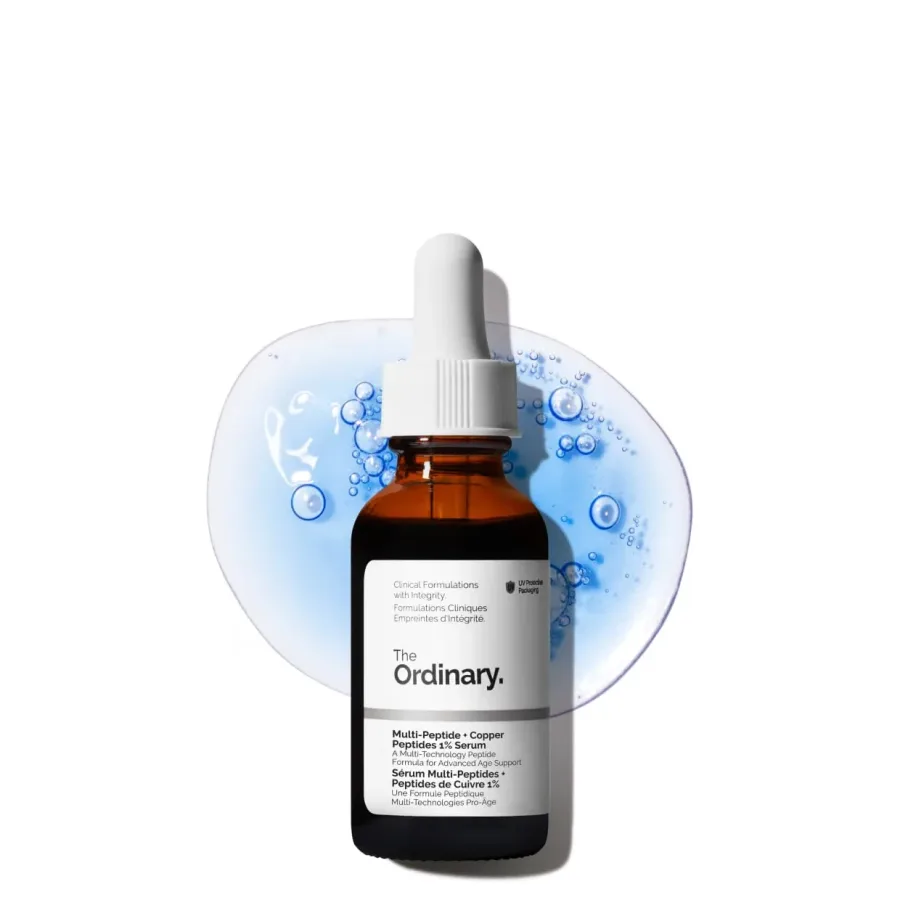
Pick up the bottle and the first thing you register is the colour. Not pale blue, not tinted blue. A saturated cobalt that looks like it belongs in a chemistry set rather than on a bathroom shelf.
That colour is the reason people buy The Ordinary Multi-Peptide + Copper Peptides 1%, and it is also the reason to be sceptical. A striking blue serum is very easy marketing. So the question is whether the copper is doing the work or whether the colour is.
I used it nightly for six weeks and read every substantial buyer account, including the one from someone whose skin rejected it outright. Below is what GHK-Cu actually is, the routine conflict nobody puts on the box, and the specific circumstances in which the cheaper sibling is the better purchase.
 The blue is the copper complex itself, not an added dye.
The Blue Is Not a Dye
This is the part worth understanding before anything else, because it is the one honest verification signal you get.
Copper peptide complexes are naturally blue. The colour comes from the copper ion bound into the peptide, which means a genuinely copper-containing serum arrives blue without anything being added to make it look that way.
Buyers treat it as proof, and one specifically noted loving the blue colour alongside the absence of fragrance. Another chose the product precisely because GHK-Cu appears in the formula, saying she knew of nothing else at this price offering a comparable combination of peptides and copper peptides.
The Ordinary puts the concentration in the product name, which is more than most of this category manages. One percent, stated, on the bottle.
Texture-wise it is unremarkable in the best way. Buyers describe it absorbing quickly with no sticky or greasy film, and one said her skin felt well hydrated and smoother by the next morning. There is no fragrance.
What Comes Out of the Dropper
The bottle is standard Deciem: amber glass, plain white label, a pipette that works without drama. Nothing about the presentation is trying to justify the price.
The liquid is thin and slightly viscous, somewhere between a watery essence and a light gel. Three or four drops covers a face comfortably, and buyers who report tackiness are almost always describing what happens when they use more than that.
It sinks in within a minute or so and leaves nothing detectable behind. One buyer summarised it as absorbing quickly with no sticky or greasy feeling, which matches what I found across six weeks.
There is no scent whatsoever, and two separate reviewers name that as the reason they tolerate it well. On a formula carrying an active with a reputation for irritating a minority, leaving fragrance out is the right call.
What GHK-Cu Does That Other Peptides Do Not
Most peptides in skincare are signal peptides. They tell fibroblasts to make more collagen, and that is the whole mechanism.
GHK-Cu is a carrier peptide, which is a different job. It delivers copper into the skin, and copper is a cofactor several enzymes involved in tissue repair require in order to function.
That distinction is why copper peptides get discussed differently from a multi-peptide blend, and why they carry the longest research history of anything in the category.
The Ordinary's listing names GHK-Cu, Matrixyl, amino acids and hyaluronic acid, which is unusually specific. Most competitors say "peptides" and stop, as our roundup of the best peptide serums found across twenty products.
- Signal peptides like Matrixyl instruct cells to build collagen
- Carrier peptides like GHK-Cu deliver a trace mineral the repair enzymes need
- This serum contains both, which is the reason for the price gap over the sibling
- Neither works quickly, and both need weeks of consistent use to show anything
The Routine Conflict Nobody Puts on the Box
Here is the practical thing that will affect you most, and The Ordinary does not warn you clearly enough about it.
Copper peptides do not coexist well with direct acids or pure vitamin C in the same application. L-ascorbic acid in particular needs a low pH to work, and that acidity can destabilise the bond holding copper into the peptide.
A buyer who has used it happily for two months puts it as a word of caution: do not use this on the days you use retinol, strong acids or high-strength vitamin C.
That is a real constraint on a routine, and it is the single biggest argument for the cheaper sibling if your shelf is already full of actives.
The workable arrangement is separation rather than abandonment. Vitamin C in the morning, copper peptides at night. Or copper peptides on the nights you are not using a retinoid. It is manageable, but it is a decision you have to keep making.
 A 30ml dropper. Buyers report a single bottle lasting through daily use.
Two Months In
The buyer accounts converge on a timeline, and it is slower than most people want to hear.
At two months, a reviewer who describes herself as a senior reported improved skin texture, better elasticity and healthier-looking skin, adding that it worked considerably better than what she had used before.
Another at the same two-month mark described a glow, a firmer look, and softened wrinkles around the eyes, with no irritation at all.
A third, coming at it from a different angle, said her previously sensitive, reactive and dry skin was simply less red and less reactive than before, and was frustrated that topical peptides get so little attention.
My own six weeks landed short of those accounts, which is what I would expect. Skin felt firmer to the touch and the texture around my cheeks was smoother. Nothing I could photograph.
That is the honest expectation to set. This is a two-to-three month product, and anyone quitting at four weeks will conclude it does nothing.
Building a Routine Around It
Because of the conflicts, this serum shapes the routine around itself rather than slotting into one. That is the hidden cost, and it is worth planning before the bottle arrives.
The arrangement most buyers settle on is straightforward once you accept the constraint.
- Morning: cleanse, vitamin C if you use it, moisturiser, sunscreen. No copper.
- Evening A: cleanse, copper peptides, moisturiser. Nothing acidic anywhere in the step.
- Evening B: cleanse, retinoid, moisturiser. No copper that night.
- Alternate A and B rather than trying to fit both into one evening.
- Hydrating layers are fine underneath it, since nothing in a humectant destabilises copper.
A buyer describes essentially this pattern, integrating it into her evening routine and finding her skin better hydrated and smoother the next morning with no irritation across regular use.
If alternating nights sounds like more admin than you want, that is a legitimate reason to buy something else. A serum you use three nights a week because the schedule defeated you will underperform a cheaper one you use every night.
When Copper Does Not Suit You
The most useful review in the set is a four-star one from someone it failed, and it deserves proper weight.
She liked how it spread, liked the colour, liked the stated benefits, and had been excited by the reviews. She tried it three separate times. On each application her skin went immediately red and irritated and stayed shiny, and she concluded that either the copper or something else in it did not agree with her.
Notably she remained a fan of the brand and said she would keep buying from The Ordinary. This was not a bad-product review, it was an incompatibility.
Copper peptides have a reputation for suiting most people and disagreeing sharply with a minority. Nothing in the review set suggests a formulation fault, but if you react to this, three attempts is enough information.
If your skin is reactive generally, the safer entry point is the copper-free version, which several rosacea-prone buyers use without trouble.
Copper or Hyaluronic? Choosing Your Ordinary Peptide Serum
The Ordinary sells two peptide face serums and the difference is not subtle once you see it laid out.
| Multi-Peptide + Copper Peptides 1% | Multi-Peptide + Hyaluronic Acid | |
|---|---|---|
| Headline active | 1% GHK-Cu, stated on the bottle | Peptides, no chain named |
| Also names | Matrixyl, amino acids, hyaluronic acid | Peptides and hyaluronic acid |
| Colour | Cobalt blue from the copper complex | Clear |
| Routine conflicts | Keep apart from acids, vitamin C, retinoids | None reported, layers with anything |
| Best for | Elasticity, mature or sun-damaged skin | Daily prevention, hydration, plumping |
| Amazon rating | 4.6 / 5 across 3,320 ratings | 4.7 / 5 across 3,202 ratings |
| Price band | $32 to $36 | $15 to $19 |
The blue one costs roughly twice as much and carries the higher-effort routine. What you buy for that is a named, quantified active and a mechanism the cheaper bottle does not have.
If your priority is elasticity on mature skin and you can keep your acids separate, buy this. If you want something to use every night alongside whatever else is on your shelf, the Multi-Peptide + Hyaluronic Acid is the more sensible purchase and it is rated marginally higher.
What the 4.6 Rating Actually Reflects
Three thousand three hundred and twenty ratings is a solid sample, and the shape of it is more informative than the average.
The five-star accounts are long, specific and unglamorous. They describe texture, elasticity and a two month timeline, and several go out of their way to say the product is not miraculous.
The lower ratings, where they carry any detail at all, are almost entirely about tolerance rather than efficacy. Nobody in the set argues that it fails to work. The complaint is that it did not work for them.
That distribution matters when you compare it against the sibling's marginally higher 4.7. The cheaper serum has fewer people to disagree with because it has fewer ways to go wrong. A serum with no routine conflicts and no minority intolerance will always rate a little higher than one with both.
| What buyers report | Timeframe |
|---|---|
| Absorbs fast, no sticky or greasy film | First application |
| Skin better hydrated and smoother by morning | Overnight |
| Irritation, if it happens at all | Within three applications |
| Less redness and reactivity | Several weeks |
| Improved texture and elasticity | Around two months |
| Softened lines around the eyes | Around two months |
| One 30ml bottle still in use | Two months of daily use |
Read down that column and the case for the blue serum is a patience argument. Everything meaningful sits at the eight week mark, and the only fast signal is the negative one.
Is It Expensive for The Ordinary?
By the brand's own standards, yes. This is one of the pricier things Deciem sells, and it sits well above the range's typical single-active bottles.
Against the wider copper peptide market it looks different. The German reviewer's point stands: at this price, a formulation combining multiple peptides with GHK-Cu is genuinely hard to find, and copper peptide serums from clinical-positioning brands routinely cost several times more.
Consumption is modest. One buyer using it daily reported still being on her first bottle after two months, noting that it is expensive but a little goes a long way.
So the honest read is that it is expensive for The Ordinary and cheap for what it is. Whether that resolves in its favour depends entirely on whether you specifically want copper.
If you do not, you are paying a premium for a mechanism you are not using, and either the cheaper sibling or a straightforward retinoid like The Ordinary Retinol 1% in Squalane will do more for your money.
Six Weeks of Nightly Use, Honestly
I want to be precise about what six weeks produced, because the gap between my experience and the two-month accounts is itself useful information.
The first fortnight produced nothing I would credit to the serum. Skin looked the same. The only observation worth recording is that it never stung, never pilled, and never left anything behind by morning.
Weeks three and four brought the first real change, and it was tactile rather than visual. Skin felt denser under fingertips, particularly across the cheeks. That is the sensation buyers describe as bounce, and it arrives before anything shows in a mirror.
Weeks five and six sharpened that slightly. Texture across the cheeks smoothed, and the skin looked less flat in unflattering light. Fine lines around my eyes were unchanged.
Which puts me roughly where the two-month reviewers were at week four, and short of where they ended. If I had been reviewing at four weeks I would have called it a well-made serum with nothing to show for itself, and I would have been wrong.
That is the single most important thing to take away. The product's timeline is longer than most people's patience, and the reviews that matter are the ones written past the eight week mark.
Who Should Buy the Blue One
Buy it if elasticity rather than texture is your concern, if you are past the point where prevention is the goal, if you want a stated concentration rather than a peptide blend, or if you have tried multi-peptide serums and found them too vague to judge.
Skip it if your routine is built around acids or vitamin C, if your skin is reactive, if you want results inside a month, or if you are in your twenties and buying preventatively.
- Best for: mature skin, loss of elasticity, anyone who wants a named and quantified copper peptide
- Not for: acid-heavy routines, reactive skin, fast results, preventative use on young skin
- The trick: night only, on its own, with vitamin C moved to the morning
At 4.6 across 3,320 ratings it is well supported, and the failures in that record are incompatibilities rather than defects. The people it suits describe firmer, more elastic skin at two months and keep repurchasing. The people it does not suit know within three applications.
That is an unusually clean split, and it makes this an easy product to recommend with one condition attached. Try it when your routine has room for it, not when you are already running three actives you are unwilling to move.
There is one more argument in its favour that has nothing to do with the formula. Because the concentration is on the bottle and the colour confirms the active is present, this is one of the few products in the category you can actually assess before buying. Most peptide serums ask you to take the word peptides on trust.
That transparency is worth something in a market where twenty products can say the same word and mean twenty different things. It does not make the serum work better. It does make it easier to know what you are comparing.
One last note for anyone who arrived here from a search that mentioned peptides and hair in the same breath. This is a face serum. The brand's Multi-Peptide Serum for Hair Density is an entirely separate product for the scalp, and the two are not interchangeable in either direction.
Confirmed
- Verified 1% direct Copper Tripeptide-1 (GHK-Cu) concentration for active tissue remodeling
- Combines five peptide technologies with amino acids and multi-molecular hyaluronic acid
- Vibrant natural blue color verifies genuine copper chelation without artificial dyes
- Noticeably restores skin bounce and softens stubborn expression creases on mature skin
Flagged
- Can feel slightly tacky if more than three or four drops are applied
- Cannot be used in the same routine window as direct acids, pure vitamin C, or strong retinoids
- Higher price point than standard Deciem formulas
Specification
Verified Against 2 Rivals
This Product
The Ordinary Multi-Peptide + Copper Peptides 1%
8.9 / 10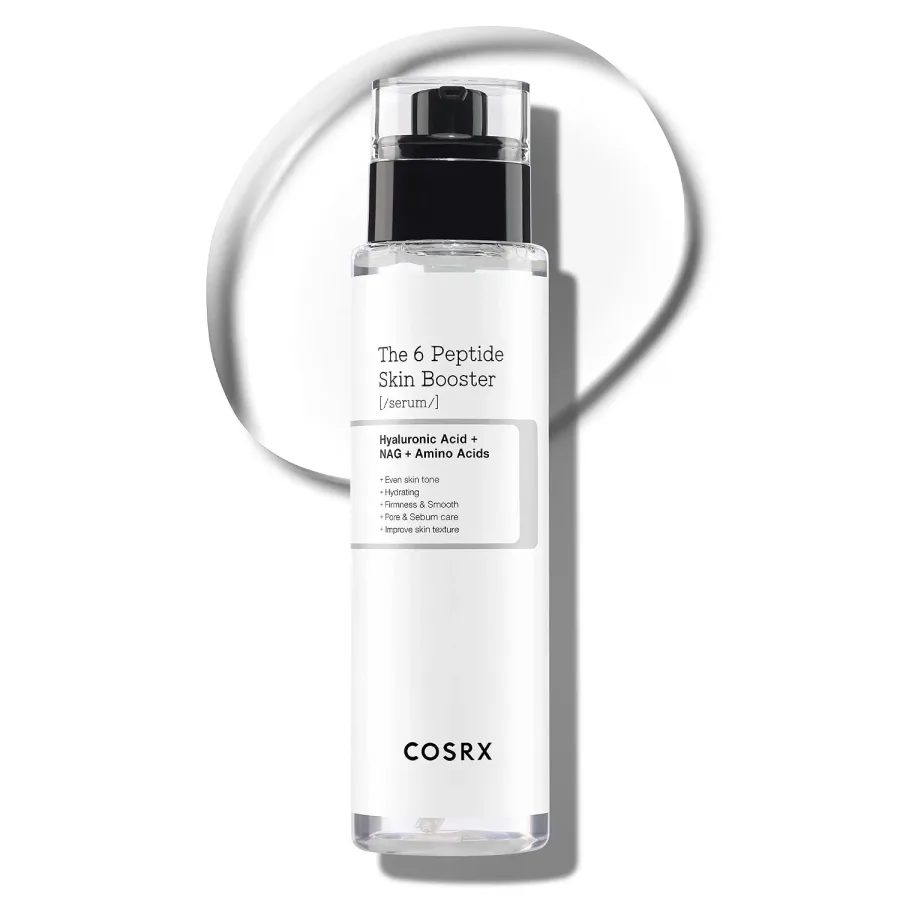
COSRX 6X Peptide Collagen Skin Booster Toner Serum
9.2 / 10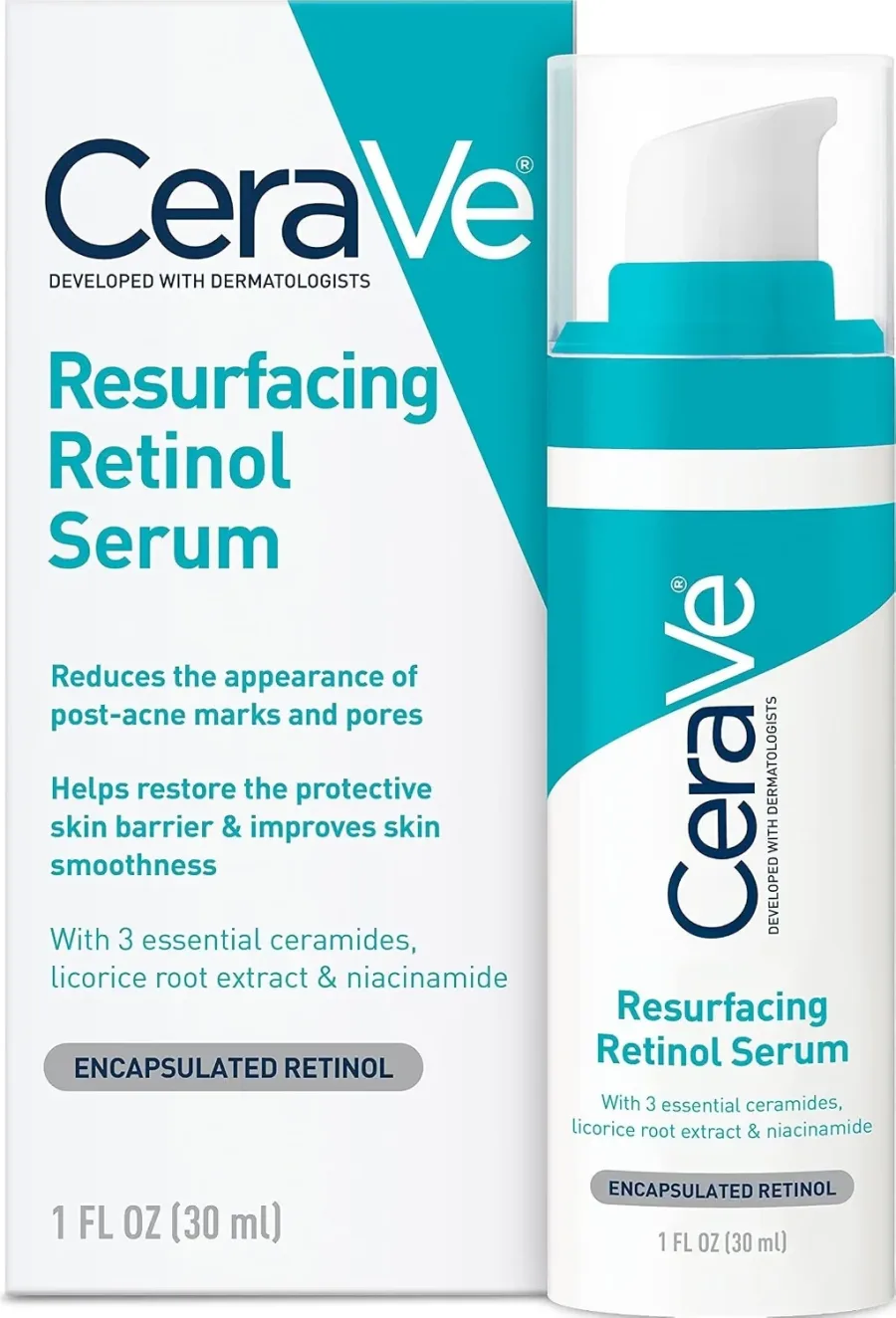
CeraVe Resurfacing Retinol Face Serum
8.9 / 10How This Score Was Earned
We Purchase
Bought at retail, anonymously, with our own funds.
We Live With It
A minimum of four weeks of daily use before a word is written.
We Measure
Weighted criteria, identical for every product in the category.
We Re-Verify
Rankings are revisited weekly; scores fall when products do.
 Verified Examiner
 The Verified Verdict
A scientifically verified clinical copper formula featuring a vibrant natural blue one percent GHK-Cu complex that provides unmatched tissue remodeling and dermal elasticity.
Check Price on Amazon →$32–$36 · price verified today
Common Questions