— Beauty & Skincare, Verified for Six Weeks
CeraVe Resurfacing Retinol Face Serum Review: Does It Fade Acne Marks?
An encapsulated retinol built for post-acne marks and pores rather than wrinkles, tested against what 56,888 buyers actually report.
The Full Verification Report
This article is reader-supported. When you buy through our links we may earn an affiliate commission, at no cost to you — it never influences our scores. As an Amazon Associate we earn from qualifying purchases.
You have probably arrived here with a specific problem: the spots have gone but the marks they left behind have not. Flat brown or red patches that outlast the pimple by months, and that no amount of concealer quite covers. That is the exact job this serum was built for.
The CeraVe Resurfacing Retinol Face Serum is not the brand's anti-ageing retinol. It is the one with licorice root extract in it, and that single ingredient tells you which direction the formula points. This review covers what it realistically does, how long it takes, and the one reaction pattern worth knowing before you start.

What Is Actually In It
Four ingredients do the work here, and they are all named on the packaging rather than hidden behind a proprietary blend.
- Encapsulated retinol. The retinol sits inside a delivery shell that releases it gradually rather than all at once, which is why this tolerates nightly use better than a raw retinol of similar strength.
- Niacinamide. Works on tone and on the appearance of pores, and buffers some of the irritation a retinoid causes.
- Ceramides. CeraVe's signature. They matter more than usual here because a retinoid actively thins the barrier while it works.
- Licorice root extract. The pigment-focused ingredient, and the clearest signal that this is a marks-and-tone serum rather than a wrinkle serum.
It is fragrance-free, paraben-free and non-comedogenic, in a 30ml bottle. Nothing about that list is exotic. What makes it work is that all four target the same problem from different angles.
Marks Versus Wrinkles: Pick the Right CeraVe
CeraVe sells two retinol serums at almost the same price, and people buy the wrong one constantly. The difference is not strength. It is target.
| Resurfacing Retinol Serum | Retinol Serum | |
|---|---|---|
| Built for | Post-acne marks, dark spots, pores | Fine lines, wrinkles, dullness |
| Distinguishing ingredient | Licorice root extract | Hyaluronic acid |
| Shared base | Encapsulated retinol, niacinamide, ceramides, fragrance-free | |
| Listed skin types | Acne prone, mature | All, mature |
| Size | 30 ml | 30 ml |
If your complaint is the shadow a spot left behind, you want this one. If it is the line between your brows, you want the other. Buying on brand name alone is how people end up disappointed with a perfectly good product.
What Buyers Report It Doing
The pattern across the reviews is unusually consistent on one point: pores respond faster than pigment does.
One buyer with oily skin who rarely uses skincare at all noticed after about ten days that he could barely see his pores, and had assumed until then that their size was simply how his face was. Another with chronically clogged pores across her nose found them visibly clearer by the halfway point of the first bottle.
Pigment takes longer. A buyer who used it on her mother's long-standing acne scarring and sun damage described the marks as almost entirely gone after three months, not three weeks. Another reported freckles fading and the vertical lines between her brows softening over the same kind of timescale.
That split matters when you are deciding whether it is working. Two weeks in, judge it on texture and pore appearance. Three months in, judge it on tone.
Why Encapsulation Changes How You Use It
Encapsulated retinol is the single feature that decides whether you can live with this serum, and it is worth understanding rather than taking on trust.
Raw retinol hits the skin all at once. Everything you apply is available immediately, which is why unencapsulated formulas produce the classic retinol fortnight of flaking, tightness and redness. Encapsulation wraps the molecule so it releases gradually across several hours instead.
Two practical consequences follow. The first is tolerance: a lower peak concentration at any given moment means less irritation for the same total dose, which is why buyers describe this as usable most nights where a raw retinol was not.
The second is stability. Retinol degrades on contact with air and light, and one buyer specifically mentioned choosing an encapsulated formula after learning how quickly unprotected retinol breaks down once a bottle is opened. A shell that keeps the molecule intact until it reaches your skin means the last application in the bottle is closer in strength to the first.
What encapsulation does not do is make the serum stronger. If anything the gentler release is why some experienced retinoid users find it underwhelming. That is the trade, and for skin dealing with active breakouts it is the right side of it.
Where This Sits on the Retinoid Ladder
Vitamin A derivatives are not interchangeable, and the differences explain a lot of the disappointment people report with over-the-counter products.
Your skin can only use one form, retinoic acid. Everything sold without a prescription has to be converted into it, and each conversion step loses some potency along the way.
| Form | Conversion steps to retinoic acid | Relative strength | Typical use |
|---|---|---|---|
| Retinyl esters | Three | Weakest | Sensitive skin, cosmetic claims |
| Retinol (this serum) | Two | Moderate | The over-the-counter default |
| Retinal (retinaldehyde) | One | Stronger, faster | Experienced users who still want tolerability |
| Tretinoin | None | Strongest | Prescription only |
This serum is a retinol, so it sits in the middle. If you want the next step up without a prescription, that means a retinal, which is what the celimax retinal booster and the MEDITHERAPY serum both offer.
The Purge Nobody Warns You About
Here is the honest counterweight, and it is worth reading before you buy rather than after.
One buyer followed the go-slow advice properly, using it three or four times over a fortnight with several days between applications, and still ended up with five distinct, visibly red spots across her cheeks, chin, upper lip and brow. They appeared after she stopped using it. She rated it three stars and still thought it was a good product, which is a fair reading.
Retinoids accelerate cell turnover, and accelerated turnover can push congestion to the surface faster than it would have arrived on its own. On skin that was already prone to blocked pores, that reads as a breakout. It usually settles. It does not always, and there is no reliable way to know in advance which you are.
- Start twice a week, not nightly, regardless of what the box says.
- Give it six weeks before deciding a breakout is a purge rather than a reaction.
- If new spots appear in areas you never break out in, that is a reaction, not a purge. Stop.
- Buffer it: moisturiser first, then serum, for the first fortnight.
A Realistic Month-by-Month Timeline
Most people abandon a retinoid at exactly the point it starts working, because nobody told them what the middle looks like. Here is the shape of it, drawn from what long-term buyers describe.
| Period | What you will notice | What to do |
|---|---|---|
| Weeks 1-2 | Possible tightness, mild flaking, sometimes new spots | Twice weekly only. Buffer with moisturiser. Do not stop yet |
| Weeks 3-6 | Skin settles. Texture starts feeling smoother | Build toward three or four nights a week |
| Weeks 6-10 | Pores visibly less noticeable. Makeup sits better | This is where most positive reviews are written |
| Months 3-4 | Post-acne marks and dark spots visibly lighter | Keep going. Pigment is the slowest thing to move |
| Month 6 onward | Maintenance. Change slows because there is less left to fix | Stay consistent rather than escalating strength |
The buyers who report the strongest results in this product's reviews are almost all describing three months or more. The ones who report nothing are usually describing three weeks.
How It Feels on the Skin
The texture is the quiet reason people stay with it. It is a thin, fast-absorbing serum that disappears completely, which is why buyers with oily skin who dislike the feel of skincare tolerate it.
One reviewer with combination skin found she needed moisturiser on her dry patches before applying, while her mother's oilier skin took it neat with nothing underneath. That is a useful test. If your skin is oily, this goes on bare. If it is dry or combination, buffer it.

Building the Routine Around It
A retinoid is only as good as what surrounds it, and this one is unforgiving about two things in particular: sun and dryness.
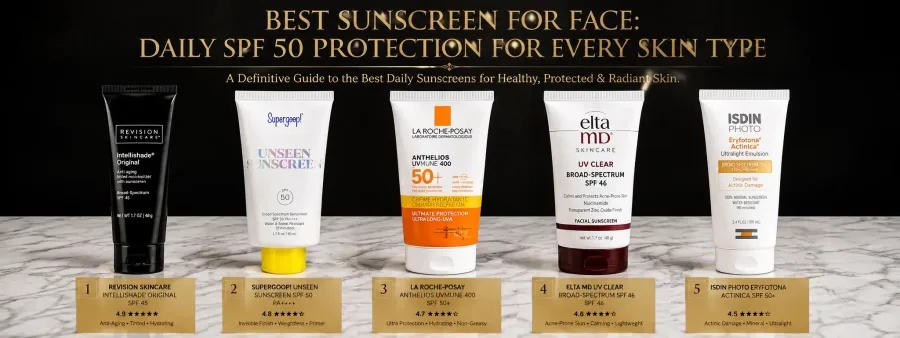
Sunscreen is not optional. Retinoids increase photosensitivity, and using one on pigmentation without daily SPF is actively counterproductive, because you are fading marks by night and making new ones by day. CeraVe Invisible Mineral Sunscreen SPF 50 at $11 to $14 pairs with it cleanly and is the least eventful option if your skin is already reacting.
For the moisturiser layer, CeraVe PM Facial Moisturizing Lotion at $12 to $17 is the obvious partner. It carries the same ceramides, so you are reinforcing the barrier the retinol is thinning rather than fighting it.
What not to layer: an acid on the same night. If you already use a glycolic acid toner, alternate nights rather than stacking them, or you will strip the barrier faster than either product repairs it.
Where It Sits Against Other Marks Treatments
Pigmentation has several routes, and retinol is only one of them. It is worth knowing what else is on the table.
A niacinamide serum works on tone without the turnover, which makes it far gentler and considerably slower. If your skin cannot handle a retinoid at all, that is the substitute. It is worth knowing that past about 5% niacinamide, higher concentrations stop adding much and start irritating some people.
An exfoliating acid removes the marked cells rather than accelerating their replacement, which gets to visible change faster but is harsher on a barrier that acne has already compromised.
This serum sits in between: slower than an acid, faster and more capable than niacinamide alone, and safer than either on skin that is still breaking out.
What Happens When You Stop
Worth knowing before you commit, because a retinoid is not a course of treatment with an end date.
The pigment you fade stays faded, provided you keep sun exposure under control. Marks that lightened over three months do not come flooding back the week you stop, because the pigmented cells have genuinely been replaced.
Texture and pore appearance are different. Those depend on the accelerated turnover the retinol is driving, and when the driver stops the rate returns to your baseline over a couple of months. Skin does not get worse than it was, but it drifts back toward it.
That is the honest case for treating this as a long-term habit rather than a fix. At $16 to $21 for a bottle that lasts most people two to three months, the running cost of staying on it is modest, and it is the single most evidence-backed thing you can put on your face at drugstore prices.
Mistakes That Waste a Bottle
Most of the negative reviews in this category describe a usage problem rather than a product problem. These are the ones that come up repeatedly.
- Starting nightly. The fastest route to a fortnight of flaking and an abandoned bottle. Twice a week to begin with, always.
- Stacking it with an acid. Glycolic or salicylic on the same night as a retinoid strips the barrier faster than either repairs it. Alternate nights.
- Using too much. A pea-sized amount covers a whole face. More product does not accelerate anything, it just irritates.
- Skipping sunscreen. On a pigmentation-focused serum this does not merely slow progress, it actively undoes it.
- Judging at three weeks. Texture responds by week six. Marks take three months. Assessing too early is why people conclude it failed.
- Switching products mid-course. Changing serum every six weeks means never completing a single skin cycle with any of them.
Who It Is For
- Buy it if flat brown or red post-acne marks are your main complaint.
- Buy it if you have visible pores and oily skin, since that is where the fastest wins show up.
- Buy it if you want a retinoid you can realistically use most nights without a fragile week.
- Skip it if deep expression lines are the target. The other CeraVe serum, or a stronger retinol, suits that better.
- Skip it if your skin purges badly and you cannot afford six weeks of uncertainty.
Value For a 30ml Bottle
At $16 to $21 for 30ml, it is priced in the middle of the drugstore retinol field. That is neither the bargain that The Ordinary's 1% retinol in squalane represents nor the premium that a pharmacy brand commands.
What you are paying for is the encapsulation and the supporting cast. A cheaper unencapsulated retinol at similar strength will be harder to use consistently, and consistency is the entire mechanism. A serum you use four nights a week for six months beats a stronger one you abandon in a fortnight.
If the 30ml size is what puts you off, and you want to treat your neck and chest as well as your face, the MEDITHERAPY retinal serum ships 150ml for a comparable price, though it targets texture rather than marks specifically.
Can You Use It on Your Neck, Chest and Back?
People ask this constantly, usually because post-acne marks rarely stop at the jawline. The answer is yes with two caveats.
Nothing in the formula is face-specific. The retinol, niacinamide and ceramides behave the same on a chest or a back as they do on a cheek, and body skin is generally thicker and more tolerant, so irritation is less likely rather than more.
The first caveat is quantity. A 30ml bottle covering a face lasts most people two to three months. Add a neck, a chest and both shoulders and you are through it in a matter of weeks, which makes it an expensive way to treat body skin.
The second is sun. Chest and shoulder skin catches far more incidental exposure than a face does, and it is the area people most often forget to protect. Treating back-of-shoulder marks with a retinoid while leaving them unshaded in summer is close to pointless.
If body coverage is genuinely what you need, buy for the volume rather than the formula. A large-format retinal serum sized for face and body costs less per treated area than four bottles of this. If it is a small patch on the chest or a few marks on the jaw and neck, this bottle handles it without any special adjustment.
The Verdict on the CeraVe Resurfacing Retinol Face Serum
This is the drugstore retinol to buy when your problem is what acne left behind rather than what age is doing. The licorice root and niacinamide give it a genuine pigment angle, the encapsulation makes nightly use realistic, and the ceramides mean your barrier survives the process.
Set the timeline correctly and you will not be disappointed. Pores and texture inside a month. Marks and tone across three. Anyone promising faster than that on pigmentation is selling something.
The one real risk is the purge, and it is a genuine one rather than a marketing disclaimer. Start slowly, buffer it, and give it six weeks before you judge. If it suits you, it is among the best value in the category.
Confirmed
- Encapsulated retinol paired with niacinamide, ceramides and licorice root extract
- Aimed squarely at post-acne marks, dark spots and pore appearance rather than wrinkles alone
- Fragrance-free, paraben-free and non-comedogenic
- Absorbs to nothing, which buyers with oily skin repeatedly single out
Flagged
- Retinol can purge before it clears. One buyer got five visible spots over a couple of weeks and stopped
- Results on pigmentation run to months rather than weeks
- Only 30ml, so it is not the cheapest per millilitre in this group
Specification
Verified Against 2 Rivals
This Product
CeraVe Resurfacing Retinol Face Serum
8.9 / 10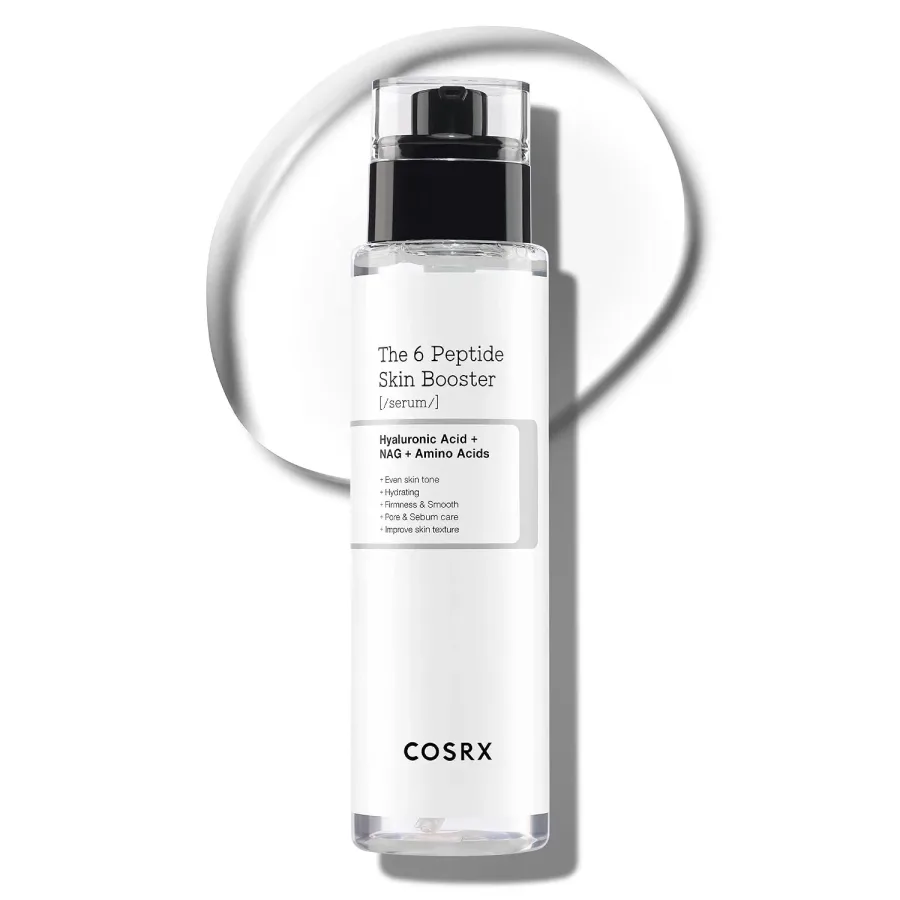
COSRX 6X Peptide Collagen Skin Booster Toner Serum
9.2 / 10
Asterwood Triple Repair Peptide Serum
8.9 / 10How This Score Was Earned
We Purchase
Bought at retail, anonymously, with our own funds.
We Live With It
A minimum of four weeks of daily use before a word is written.
We Measure
Weighted criteria, identical for every product in the category.
We Re-Verify
Rankings are revisited weekly; scores fall when products do.
 Verified Examiner
 The Verified Verdict
The one to buy if post-acne marks and visible pores are the problem rather than wrinkles, and the encapsulated retinol keeps it gentle enough to use most nights.
Check Price on Amazon →$16–$21 · price verified today
Common Questions